ADVERT
US2 min(s) read
Published 14:04 27 Mar 2019 GMT
A teenage employee at an American car rental company allegedly spiked his co-workers' drinks with LSD to "remove their negative energy".
The Missouri 19-year-old, who works at Enterprise Rent-A-Car, is facing possible charges of second-degree assault and possession of a controlled substance after admitting to adding the hallucinogenic drug to three employees' beverages.
According to The Leader, an Enterprise manager apparently spotted him holding a water dropper near her water jug and decided not to drink from it.
However, other employees were left feeling shaken and dizzy without knowing why and were taken to urgent care before being transferred to the hospital, KMOV reported.
After police questioned the 19-year-old, he admitted he had put LSD in two co-workers’ water bottles and a third employee’s coffee that day because they had "negative energy."
The charges against the teen are now pending, as police await the lab results from the liquids which were allegedly laced with the drug. But according to Jefferson County Municipal Enforcement Group, the workers’ reactions were consistent with those following LSD consumption.
It has been reported that the employees were in a stable condition after the drugs wore off.
It's not the first time someone has been accused of spiking their co-worker's drink; in 2016, a former employee of a Waffle House in north Georgia was arrested after apparently spiking a male co-worker’s drink with methamphetamine, leaving the worker hospitalised.
Sonserea Dawn Evans was charged with aggravated battery and possession of a controlled substance with intent to distribute after reportedly leaving a 37-year-old man comatose.
Dawson County Sheriff’s Capt. Tony Wooten told local reporters that investigators had obtained a restaurant surveillance video showing Evans taking the employee's cup, walking toward the restroom area and returning with the cup, setting it down before her co-worker came back inside.
The footage showed the man drink from the cup, Wooten said, and "within an hour, he's getting medical attention."
The 43-year-old allegedly left her co-worker critically ill for weeks after he collapsed on December 23 2015 at the restaurant about 50 miles north of Atlanta.
"At one point, he was in a comatose state on a ventilator," Wooten said in February 2016. "He's still in a medical facility. He's been in some kind of medical treatment since the time this happened."
weird3 min(s) read
Published 15:57 14 Aug 2018 GMT
Any time you step into a fast food restaurant of any kind, you're unwittingly entering into a contract.
Walk up to the counter of a McDonald's, KFC or Burger King, and provided you can pony up the dough, you can have delicious greasy food to fill your face hole, and give you energy for the long day ahead. It's simple enough in practice, but implicit in this contract is the concept of good faith.
What does this mean, you ask? This means that if your overworked server forgets to add a simple condiment (eg. hot sauce on a taco), you won't throw a hissy fit and attempt to threaten the staff. That no matter how strong the urge is, try not to roll up to a drive-thru on a horse. But one thing you should always do is take the drink you paid for.
That means, folks: if you've got water on your receipt, you go and use that empty cup you get for water and water only. Not only is it dishonest, but restaurant managers are onto you, and they're tired of it; I'm sure I don't need to remind you of the McDonald's manager who laid down a serious beatdown on someone who tried that exact trick.
Now, after hearing about this story, I'm deterred from ever trying it, thanks to this little story about a man who ended up in the back of a police car for doing exactly that, jolts of electricity still running through his veins, like a really depressing Spider-Man villain. Let's delve a little bit further into this story, shall we?
It takes place in Montana, where 48-year-old Daniel Stine reportedly tried to pull off the oldest trick in the book at a local Arby's. The Missoula Police Department reported that Stine entered the restaurant on Thursday afternoon and asked for a cup of water, but instead filled it with soda. When confronted by a sharp-eyed server, Stine attempted to escape the restaurant.
This would-be soda, thief, however, did not get very far.
Followed out of the restaurant by the server who spotted the iniquity, the employee reportedly told Stine that he was no longer welcome at that particular Arby's. Slapped with this latest ban, the employee said that Stine turned around, and tried to kick them, before walking away.
Police said that when they arrived on the scene, Stine noticed them and ran away to a nearby Denny's, where he took refuge in a bathroom. They report: “The officers attempted to take control of him physically and that’s when he began to resist and fight with the officers and had to be tased to comply to the officer’s instructions.”
Oh dear.
Not only did Stine not get his water cup full of soda, KCTV reports that he got a "super-sized list of charges". Stine will reportedly face a "felony robbery charge" on top of his "four misdemeanors including Criminal Trespass, Disorderly Conduct, Obstructing A Peace Officer, and Resisting Arrest".
All for a cup of soda at Arby's. Would you believe it?
us6 min(s) read
Published 15:33 02 Mar 2024 GMT
An Oregon father has been accused of drugging his daughter's 12-year-old friends at a sleepover last summer.
Michael Meyden, 57, allegedly gave three of his daughter's friends mango smoothies laced with benzodiazepine while they slept over on the night of August 25, 2023, according to court documents obtained by Oregon Live.
The girls, all 12 years old, were hospitalized and tested positive for the substance, which is described as a depressant that slows the nervous system and is normally prescribed for anxiety, with common prescriptions under the names Valium, Xanax, and Klonopin
The affidavit, which a Lake Oswego police detective wrote, did not disclose why Meyden allegedly served the children spiked smoothies.
During the night of the sleepover, the father was highly involved in the girls’ activities and took them to get their nails done and picked up pizza for dinner, according to the affidavit.
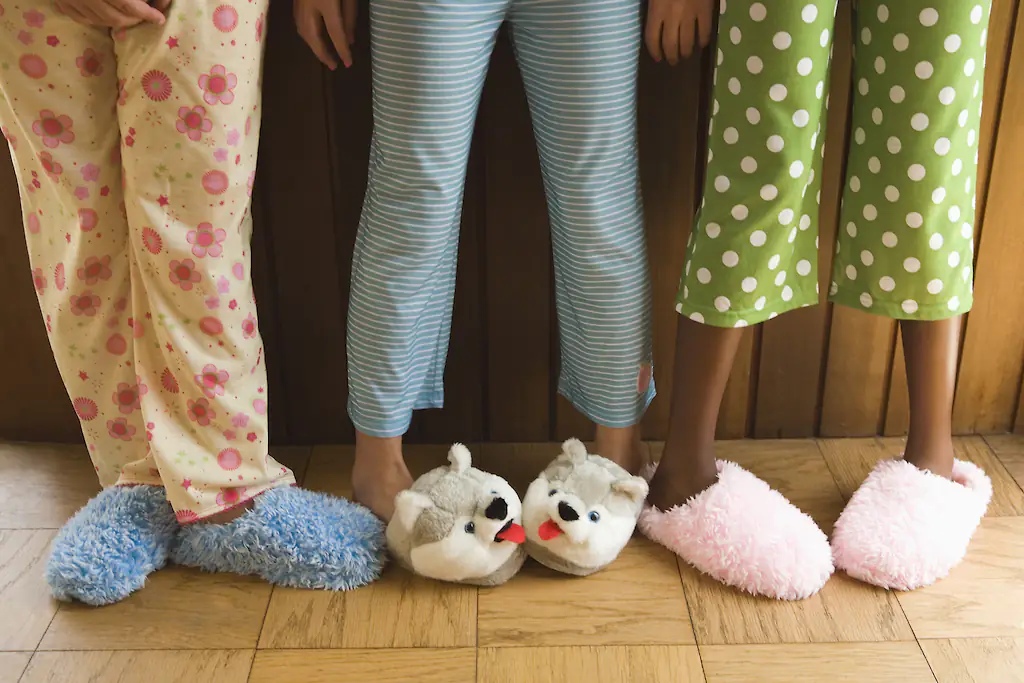
Per NBC News, the pre-teens spent most of their time in the basement, where they were having a "spa night," so Meyden made them smoothies in milkshake-style glasses. One of the 12-year-olds told officers that she didn’t like the smoothies, but Meyden allegedly demanded she drink it and made her a second one to try.
He then continuously visited the basement throughout the night to see if they were awake by waving his hands or putting his finger under their noses. One girl recalled that Meyden moved her body, but she "remained awake" in fear that he was going to do something.
When the man left the room, one girl sent an urgent text to her mom for help at around 1:43AM, writing: "Mom please pick me up and say I had a family emergency. I don’t feel safe. I might not respond but please come get me. Please. Please pick up. Please. PLEASE!!"
The girl was eventually able to reach a family friend, who arrived and took her home. Eventually, two other parents also arrived to pick up their daughters, but he was reluctant to let them leave.
Authorities said in an affidavit that cops arrived at the hospital and said one of the 12-year-old girls "walked slowly and used the assistance of her mother for balance, her eyelids were heavy, and she spoke slowly," while another girl could not walk without assistance when her parents picked her up that night and kept repeating "what happened," according to PEOPLE.
Meyden - who reportedly divorced his wife on October 17, less than two months after the sleepover - has now been charged with three felony counts of causing another person to consume a controlled substance.
He is also charged with three felony counts of applying a schedule IV controlled substance to the body of a minor, and three misdemeanor counts of delivering to a minor a schedule IV controlled substance.
His lawyer, Mark Cogan, revealed that his client turned himself in at the Clackamas County Jail on Thursday (February 29) following a grand jury indictment. Jail records acquired by outlets show he is no longer in custody as of Friday (February 1) morning. His Bail was issued at $50,000, which Meyden has posted, Cogan said.
"Mr. Meyden is presumed innocent," the attorney reportedly said in a statement. "We have not seen the evidence. The indictment was issued by a grand jury behind closed doors where no judge, no defense attorney, was allowed. And we hope that people will reserve judgment until all the facts are known."
Sleepovers are where a child's fondest memories are born, but to some parents, it is a nightmare.
Many people, including Carli Pierson for USA Today, are divided on the subject as it takes a lot of willpower to allow someone else to be responsible for your child.
Pierson revealed that her 8-year-old got her first sleepover invite, but she's planning on declining it as there are many dangers, explaining: "My daughter doesn't understand the risks that I know about after having been exposed to sexual abuse by a babysitter when I was 12."
"She doesn't know the things I know from working as an attorney reading case after case, bad law after bad law, about child abuse," she penned. "She doesn't know that most often it's those closest to us, those who have intimate access, who violate our trust and our physical integrity."
The writer explained that her concerns about sleepovers are "rooted" in her own experiences, adding: "What happened to me, and the area of law I plunged into once I became an attorney, is part of what feeds my fear of something happening to my girls."
Pierson is not alone in her thoughts as Erin Bailey, a criminal defense lawyer, shared a video on TikTok in hopes of opening the eyes of other parents who may not be aware of the risks that come with sleepovers.
Watch Bailey's video below:
"First and primarily is the SA (sexual assault) risk. While you may feel like you know the parents who are hosting the sleepover really well, and you know and love and trust them, that's exactly who's committing SA," she said, explaining that SA isn't committed by strangers or random people in the street, but from those that we least expect it from.
Secondly, she points out: "You may know the parents, but you don't know necessarily the neighbors, the grandparents, the aunts and uncles, the older siblings, the friends of the older siblings," or whoever else may be in the house at the same time."
Bailey goes on to say that you "don't really know what their rules are," in terms of walking in the neighborhood, or who they are allowed to speak to on video games, and concluded: "There's just too many variables, not to mention pew pews (guns) in the house, so it's just a no for us, no sleepovers."
Commenters were left split by her decision, with one user saying: "That’s insane. If my child wants to sleep over with a friend in their class, I am absolutely encouraging it. My best childhood memories were sleepovers."
Another chimed in: "Sleepovers are a really integral part of childhood development. I think building trust and communication with your child helps this too."
However, some people agreed with Bailey's reasonings as one person shared their own experience: "I was upset with my mom at first when she said no to sleepovers until something happened to a girl at a sleepover by the other girls' father."
A second interjected: "Sleepovers are terrifying. Even if you know the parents and they really are good people, you can't guarantee who else will have access to your child."
us4 min(s) read
Published 10:41 05 Mar 2024 GMT
More chilling details have been revealed about a horror sleepover where a dad allegedly drugged a group of 12-year-old girls by spiking their smoothies.
As previously reported, Michael Meyden, 57, from Oregon allegedly gave three of his daughter's friends mango smoothies laced with benzodiazepine while they slept over on the night of August 25, 2023, according to court documents obtained by Oregon Live.
All of the girls were hospitalized and tested positive for the drug, which is a depressant that slows the nervous system and is usually prescribed for anxiety, with common prescriptions under the names Valium, Xanax, and Klonopin.
Now, new details have been revealed, including the desperate text messages one of the girls sent as she tried to escape the home after Meyden made her feel unsafe.
One of the unnamed girls had sent messages to a family friend begging the to pick her up from the Lake Owego home, and chillingly revealed that Meyden had been "doing tests" to see if the girls were conscious as the group pretended to sleep.
In the messages, shared by the New York Post, the 12-year-old girl wrote: "So I’m 'sleeping,' and her dad comes down and [I’m] hugging [one of the other girls] because she was scared, and he kept moving us away from each other but kept doing tests to make sure we weren’t awake.
"Also, [the other girl] won’t wake up and she did for like 2 seconds, but she kept her eyes closed and didn’t talk."
The family friend agreed to go and pick the girl up, and when they arrived, the unnamed child stood up to get her things and was met by Meyden, who she said "seemed drunk" and was slurring his speech, but did not try to stop her from leaving.
The girl added that she had got her shoes from a garage with a "very loud door" as she was leaving, and was "concerned" that the noise didn't wake up one of the other girls when she slammed the door.
After she was dropped off at home by the family friend, the girl woke up her parents who drove to Meyden's house at 3AM to collect the other two girls, according to court documents.
The girls were all taken to the hospital, where one of them told Lake Oswego Police Detective Nicole Palmeri the following day that she still felt hot, woozy, and clumsy, while another of the girls couldn't remember anything except "blacking out".
The mother of one of the girls described her daughter as having fallen into a "thick, deep sleep" despite typically being a light sleeper otherwise, and was not able to walk when she was dropped off home and needed to be carried into the house. Her parents took her to the hospital after she repeatedly asked "what happened?" and was acting out of character.
Police also observed that one of the girls "walked slowly and used the assistance of her mother for balance, her eyelids were heavy, and she spoke slowly."
None of the girls or their families had been close with the Meydens before the sleepover, which is the first time they had been at the family's home.
The sleepover had been arranged by Meyen as his then-wife primarily spoke Japanese, according to the affidavit, and the pair have since divorced late last year.
Meyden turned himself in at the Clackamas County Jail on Wednesday after being indicted by a grand jury accusing him of multiple felonies and misdemeanors stemming from the sleepover.
He faces charges including causing another person to ingest a controlled substance and application of a controlled substance to the body of another person.
During his arraignment on Wednesday in Clackamas County Circuit Court he pleaded not guilty, and his bail was set at $50,000. Police have not speculated on a motive.
us4 min(s) read
Published 11:36 15 Apr 2026 GMT
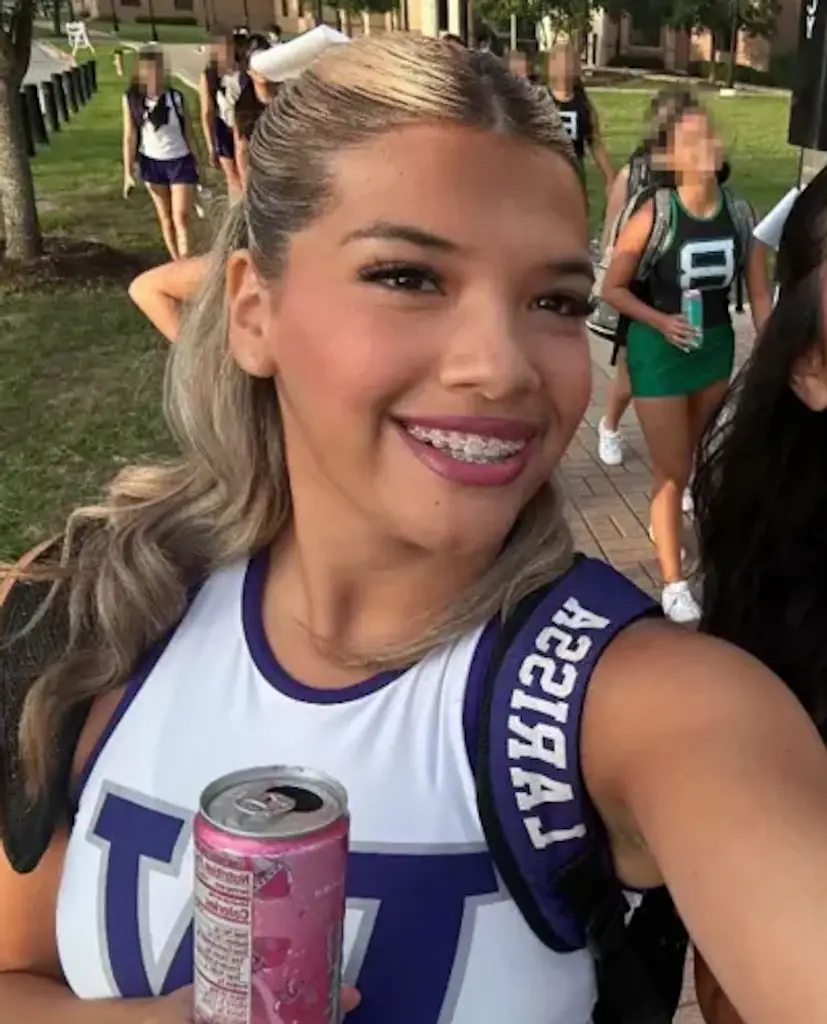
Doctors are sounding the alarm over energy drink consumption after a cheerleader tragically passed away.
Larissa Nicole Rodriguez, a high school student in Weslaco, Texas, sadly died in October 2025.
Hidalgo County medical examiner determined that the 17-year-old's cause of death "was an enlarged heart due to stress and large amounts of caffeine," NBC News reported.
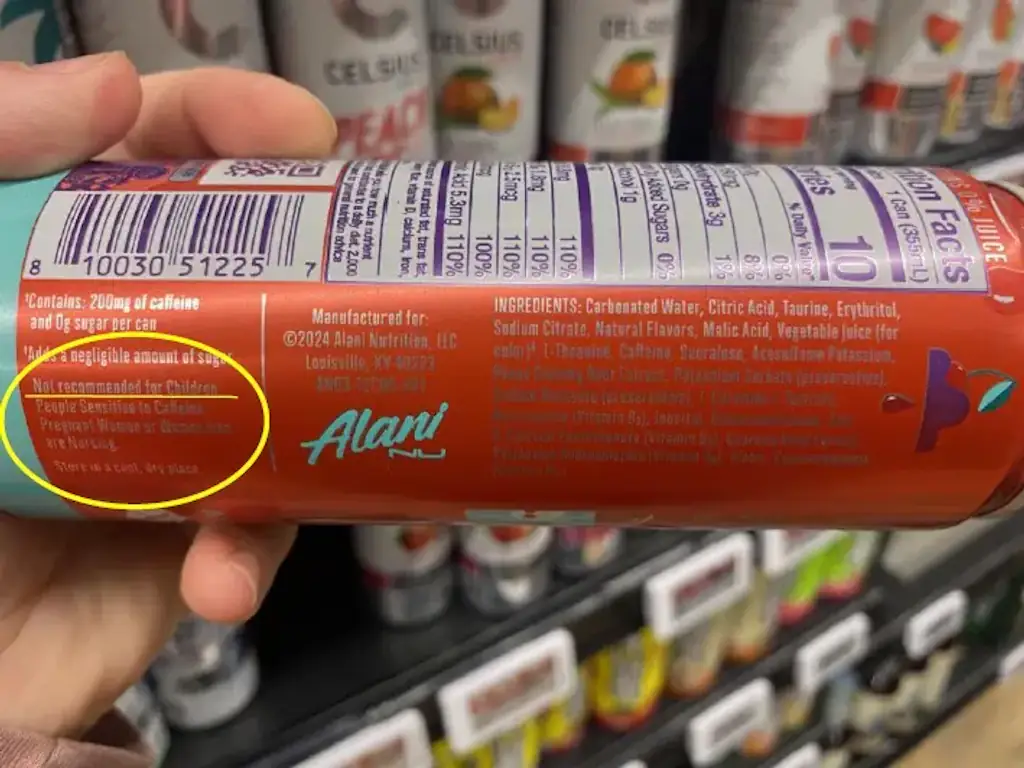
A lawsuit filed last week claims Rodriguez, who her family says had no pre-existing heart conditions or heart-related problems, drank "one or more Alani Nu Energy Drinks", which contain 200mg of caffeine per 12-fluid-ounce can in the US, in "the days leading up to" her death.
The Texas cheerleader's family has now launched a wrongful death lawsuit targeting a distributor of the popular beverage.
Per USA Today, the filing names Glazer’s Beer and Beverage and Glazer’s Beer and Beverage of Texas, a distributor of Alani Nu energy drinks. They are seeking $1 million in damages, per court records.
Speaking at a press conference, Benny Agosto Jr., the family's lawyer, said the distributor was being sued because they are "the ones that receive it, distribute it and put it all over the place, and they also fail to give any warnings." He also added that more defendants could be added to the lawsuit.
In addition to this, Agosto Jr. claimed that the beverage "had inadequate warnings about the serious cardiac risks that this product brings," and said that the teen began consuming them after being influenced by social media promoting their wellness and health benefits alongside an energy boost.
"First, she got into it because of social media and other social interaction with young people. At some point, she was enamored by it," he said.
Guidance from the Food and Drug Administration states that adults should not consume more than 400mg of caffeine a day, while excessive caffeine in children could cause "increased heart rate, heart palpitations, high blood pressure, anxiety, and lead to sleep problems."
Doctors say the dangers tied to heavy caffeine consumption can be severe, especially for younger people.
"If you consume very high amounts of caffeine, you can have an instant arrhythmia or irregular heartbeat, which can actually be life-threatening because your heart could actually stop pumping blood," Dr Jeremy Liff, a neurologist based in New York, told the Daily Mail.
Caffeine accelerates the heart’s rhythm, placing pressure on the organ and disrupting its electrical signals. This can lead to poor blood flow to vital organs and, in extreme cases, trigger a sudden heart attack, even in individuals without prior conditions.
"In the long term, drinking that much caffeine can cause you to have high blood pressure at an age which is way too young," Liff said.
He explained that caffeine stimulates adrenaline release, which blocks receptors responsible for keeping arteries open, raising blood pressure, and increasing strain on the heart.
"Those are extremely grave consequences that could happen immediately," Liff added.
Rodriguez’s family described her as "full of life, full of love, smart, academic, and with a bright future," and said she enjoyed tennis and was an active cheerleader.
"Her life was cut short," the lawyer said at the news conference, surrounded by her loved ones and other relatives.
Celsius Inc., the company behind Alani Nu, said in a statement that it was "saddened by this loss," and that it takes "product safety seriously and believes consumers should have clear information about what they are drinking".
"Alani Nu energy drinks disclose 200mg of caffeine on the can, and the label states the product is not recommended for children, people sensitive to caffeine, pregnant women, or women who are nursing.
"Our products comply with applicable federal labeling requirements, and our policy is not to market or sample to anyone under 18, consistent with those label warnings," they added.
Our thoughts are with Rodriguez's family and friends at this time.
health7 min(s) read
Published 12:57 28 Oct 2021 GMT
Stories of women being spiked by injection on nights out have been making the rounds on social media in recent weeks.
On October 14, 19-year-old Zara Owen took to Twitter to claim that had been spiked via injection during a night out in Nottingham.
She said that she had woken up in "agony" after "blacking out" - despite having drunk less than usual. The post was accompanied by a photo of a pin-prick on her leg.
Earlier this week, the National Police Chiefs' Council (NPCC) revealed that hundreds of cases of injection and drink spiking have been reported to authorities, per The Guardian. They received 24 reports of some form of injection via spiking this month, and 140 confirmed reports of drink spiking, last month.
The coverage this, and such stories have received has prompted the Home Secretary to ask for an urgent update on the scale of the issue — which is unknown, but is believed to be much less widespread than that of drink spiking.
In order to understand more, VT spoke to a forensic toxicologist, Dr. John Douse, about the disturbing reports — and how we can protect ourselves from drink spiking writ large.
Dr. Douse says that it's highly unlikely that the individuals in question are being spiked via syringe.
"The victims are experiencing either a pinprick or a scratch, and many of them don't notice it at the time. If you had been injected with a syringe, you would know what's going on," he explains. "This is why I think they use a needle, which can jab or scratch the surface of the skin, without the victim realizing."
As to the drugs in question, Dr. Douse was understandably hesitant to speak about specifics in fear of copycat attacks. He did, however, divulge that the drug would likely be one that's active in millionths of a gram, as the dose is administered in such small quantities. It is still liable to cause people to become completely intoxicated and even collapse.
Spiking in this manner, however, is incredibly rare despite the uptick of reports. Last week police confirmed that three women who feared they were spiked with a needle were not drugged. Toxicology tests showed that they had nothing in their systems to suggest that their drink had been spiked or that they had been "drugged in another manner", per The Times.
While it's only natural to remain cautious, it's apparent that drink spiking is more widespread — and this is where young men and women should focus their energies when partying.
Dr. Douse says that it's critical to ensure that you have a group of friends who are capable of looking out for you on a night out. If you suspect you have been spiked, your friends should then dial 999. If they are delayed, he says, the next step is to inform the bar and security staff, who will normally escort you to a separate room.
A common misconception is that drinking water can help spiking victims — but the toxicologist explains that this will not help. "When you're spiked, it goes into your blood and is then absorbed into the brain. The only thing that can counteract it, at that point, is a drug like Naloxone — which is a medication used to block the effects of opioids."
Unfortunately, it is difficult to prove drink spiking as the drugs normally pass through your system within 12 - 72 hours. This is why it's so important that blood or urine samples are taken as soon as possible.
Though, as Dr. Douse points out, oftentimes Accident and Emergency aren't too concerned about what happened, their job is to make sure that the individual is fine. As such, blood and urine samples are normally only taken when the police get involved, but that usually isn't until much later, when most traces have gone.
It is unsurprising then that the conviction rate when it comes to spiking remains so low. Data from Avon and Somerset law enforcement shows that they have recorded 486 drink-spiking incidents since 2016 — this has led to 27 arrests, but no successful prosecutions.
So, how can individuals better protect themselves in this manner? If you are able, Dr. Douse recommends asking for a blood or urine sample to be taken as soon as possible.
If there is no law enforcement present, he says that you can collect your own urine. While this may not be strict forensic procedure, two of the most important things needed to seal a conviction are as much urine or blood as possible, and as quickly as possible.
Of course, following the recent murders of Sarah Everard, Sabina Nessa, and Bibaa Henry, and Nicole Smallman — women across the UK are rightly outraged over another purported threat to their public safety.
Nightclub boycotts have been planned across the country's cities in the next two weeks by the newly established campaign group, Girls Night In — who are calling for tighter security measures in venues, especially where students frequent.
However, for Carina White, who was 17 when she was spiked, this initiative is not far enough. The now 36-year-old tells VT: "I struggle to see the impact that will have to bring about meaningful change.
"This is not an issue about nightclubs, it's a societal issue about how the safety of women is compromised, and how we need more education for men around consent. Yes, nightclubs have a role to play, as do men as allies and the government, but I can't see how boycotting nightclubs will prevent women from being spiked. What happens when the boycott is over and normal service resumes?"
White, who is a Dope Black Mums podcaster, was on holiday with friends when she noticed that she had started to feel "really, really drunk".
"I sat down, and I thought I was leaning on someone who I thought was one of my mates, and told them that I was feeling very tired. Eventually, I managed to hold my head up to look at him, and he wasn't who I thought he was. It was an out-of-body experience. My mind could understand that something was wrong, but my body couldn't," she says.
Luckily, White was able to inform a friend, and she was taken to the toilet, where she made herself throw up several times. "I've never, ever felt like that," she continues. "I knew it was a different feeling to just being drunk — and I hadn't even had a lot. My friend had drunk the same amount as me, and she was fine."
Now, decades on, she's never forgotten the experience, and continues to warn her young cousins and godchildren about the dangers out there for young women — especially in light of the reported rise of injection spiking.
When I ask about her fears regarding this, she replies that it just makes her more worried in general. "As we've seen in recent months, due to high profile cases, the personal safety of women is compromised in modern society, and this is just another strand to the pillar of ways in which women are not safe."