


Celebrity3 min(s) read
Bruce Willis' health update as actor now acts 'like a baby'

Bruce Willis' health is reportedly continuing to deteriorate as he lives with frontotemporal dementia (FTD), an incurable and progressive brain condition that affects behavior, personality and language.
Several years after his FTD diagnosis, and around a year since he was last seen in public, a source has now told the Daily Mail that Willis' devastating condition has deteriorated considerably.
Source provides heartbreaking update on Bruce Willis' condition
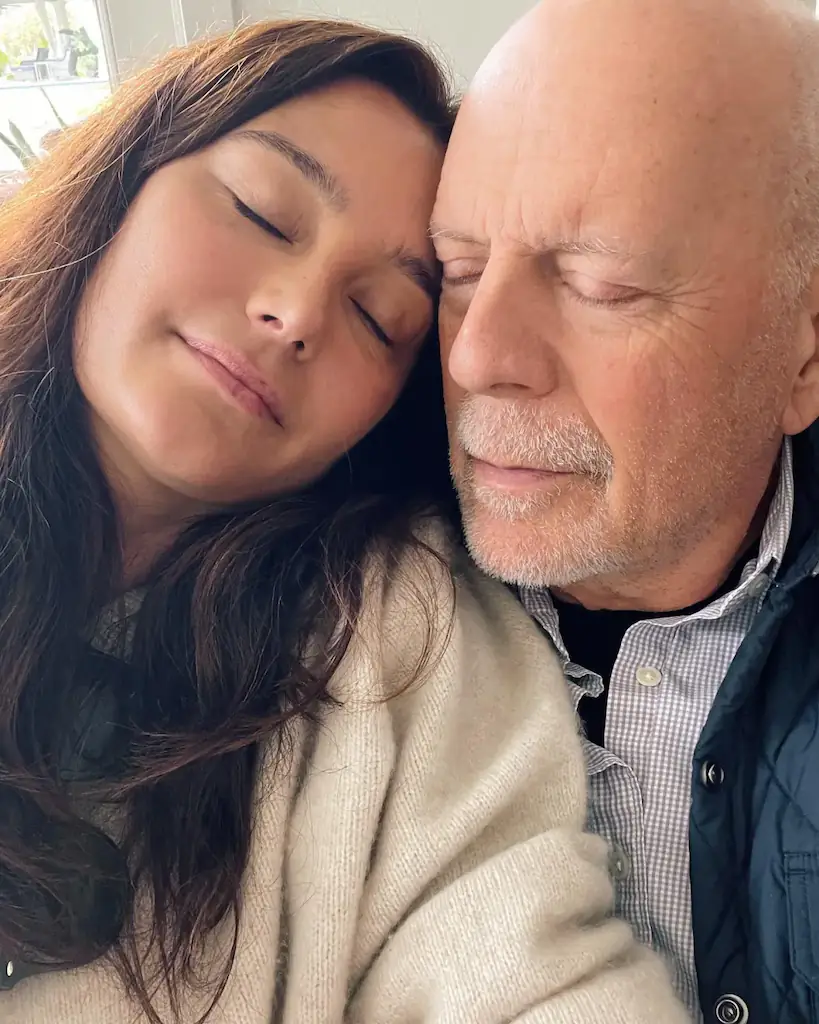
The insider claimed the actor 'has declined a lot mentally' and is 'living in his own world', adding that he is not fully aware of how much his condition has changed him.
“He knows his life is different, but he doesn't think it is that different,” the source said.
“He doesn't talk about it or even complain much. He senses something is off, but he doesn't have a full grasp of it.”
They also suggested that Willis' personality has changed significantly, describing him as “Mr Mellow” and saying he is now much more “at ease” than he was during his younger years, explaining: “Sometimes he looks like a baby who is staring at an object with curiosity, just taking it in. But if you look at him, he appears like a healthy middle-aged man.'
The changes had reportedly become noticeable even before doctors established what was wrong, with Willis, once known for being the life and soul of family gatherings, becoming less interested in engaging with his five daughters during their weekly dinners.
He shares two younger daughters, Mabel and Evelyn, with Heming, while he has three adult daughters, Rumer, Scout and Tallulah, from his 12-year marriage to actress Demi Moore.
Doctors eventually provided a more specific diagnosis of primary progressive aphasia, a form of frontotemporal dementia that gradually damages the parts of the brain responsible for language and personality, and with the condition progressing over several years, life expectancy is typically estimated at between eight and 12 years from the onset of symptoms.
However, people who had worked alongside the Unbreakable star had reportedly noticed signs of deterioration long before his diagnosis became public knowledge, with sources claiming Willis was increasingly struggling to remember his dialogue.
The actor's devastating diagnosis

Frontotemporal dementia can be particularly challenging to identify, according to the Mayo Clinic. There is no single test that can definitively diagnose the condition, while its symptoms can overlap with those of other illnesses. This can make recognising the disease in its early stages difficult.
Unlike Alzheimer's disease, the most common form of dementia, FTD does not necessarily affect a person's memory in its earliest stages, and instead, changes to personality and behavior can gradually become more pronounced as the disease progresses.
FTD is one of the most common causes of dementia in people under 60. In its later stages, patients can develop serious physical difficulties, including problems eating, swallowing and walking.
They can also become more vulnerable to infections. Pneumonia is the leading cause of death among people living with the condition.
While there is currently no cure for FTD, nor is there a proven way to prevent or slow its progression, certain medications and therapies can help manage some of the symptoms.