


Health3 min(s) read
FDA warns of rare eye condition for people who take Ozempic, Mounjaro and other GLP-1s

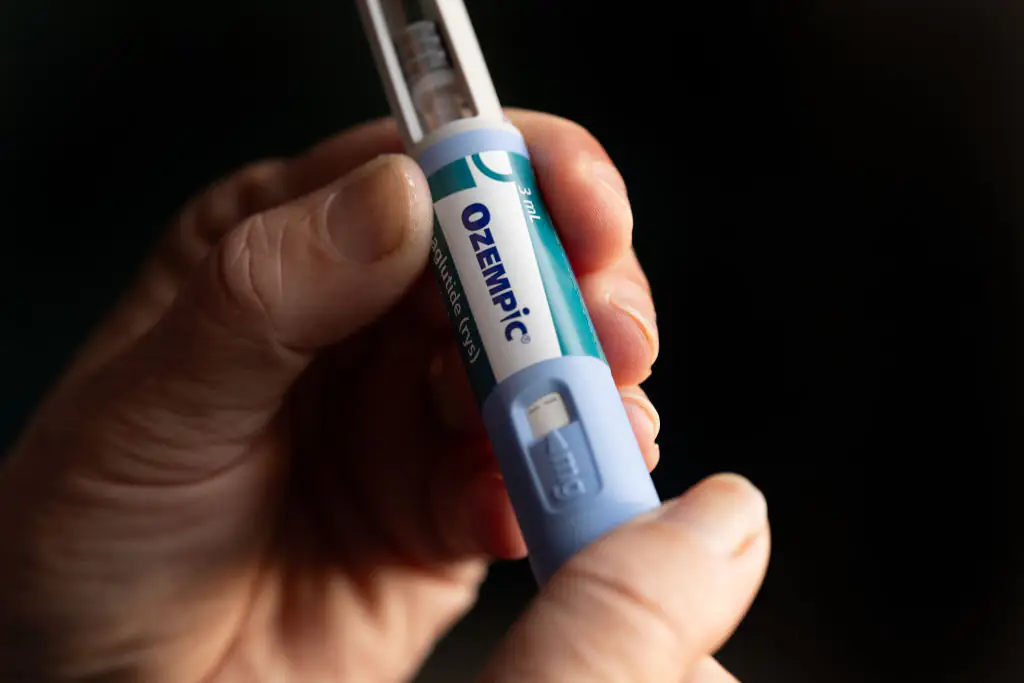
The Food and Drug Administration has issued a warning about a rare eye condition to those taking peptides, including both Ozempic and Mounjaro.
The FDA has enforced a mandatory rule on the drugmakers, who are obligated to add warning labels to their products about a particularly rare eye condition that can cause sudden blindness.
FDA issues warning about eye condition
The eye condition, which is caused by a sudden suspension of blood flow to the eye, is called nonarteritic anterior ischemic optic neuropathy (NAION).
NAION affects the optic nerve by restricting blood flow, which impacts the signals carried from the eye to the brain, in turn, causing blindness.
With there being no known treatment for the condition, the FDA has warned “there is a potential increased risk of rare NAION” in people taking GLP-1 drugs.
According to existing research, GLP-1s may enhance the risk of NAION onset, with the FDA having launched an investigation into the links between the drugs and the condition following the release of a 2024 study published in JAMA Ophthalmology.
The FDA revealed that it had been assessing reports of the side effects, which had been submitted to its adverse monitoring system.
All licensed GLP-1s have had reports of NAION as a potential side effect, but the FDA haven’t found any correlation or scientific explanation for how the drug may increase the risk of the eye condition.
What are the risk factors associated with NAION?

Risk factors associated with NAION can also be found among people prescribed GLP-1 medications. These include Type 2 diabetes, obesity, sleep apnea and high blood pressure.
Dr Manjot Gill, an ophthalmologist at Northwestern Medicine in Chicago, said she believed the FDA was right to introduce a warning about the potential eye condition.
Although it has not yet been established whether GLP-1 drugs directly cause NAION, Gill said there is well-documented evidence suggesting they could increase the risk.
However, she stressed that patients should not panic, pointing out that the condition remains extremely uncommon.
“We don’t want patients to really get overly concerned and anxious and to stop these medications,” Gill said.
“It’s fine to issue this warning more so for public awareness so that patients, should they experience any kind of change in vision, that they do actually go and seek the care of an eye provider.”
According to the American Academy of Ophthalmology, NAION is the second most common disease affecting the optic nerve in the US, with up to 10 cases occurring per 100,000 people aged over 50.
The FDA also highlighted the potential seriousness of the condition in its announcement, warning that it can cause sudden vision changes.
“Patients and caregivers should be aware of a potential increased risk of NAION, a rare condition that can result in acute, painless, decreased vision in one eye, including permanent vision loss,” the agency said.
The updated drug information from manufacturers Novo Nordisk and Eli Lilly also includes warnings about other possible complications associated with the medications, which include pancreatitis, gallbladder problems and kidney injury.
In addition, the labels feature a black box warning, which represents the FDA's strongest level of safety alert, concerning a potential risk of thyroid tumors.