


Health4 min(s) read
Man stays awake 84 hours, experiences vivid hallucinations

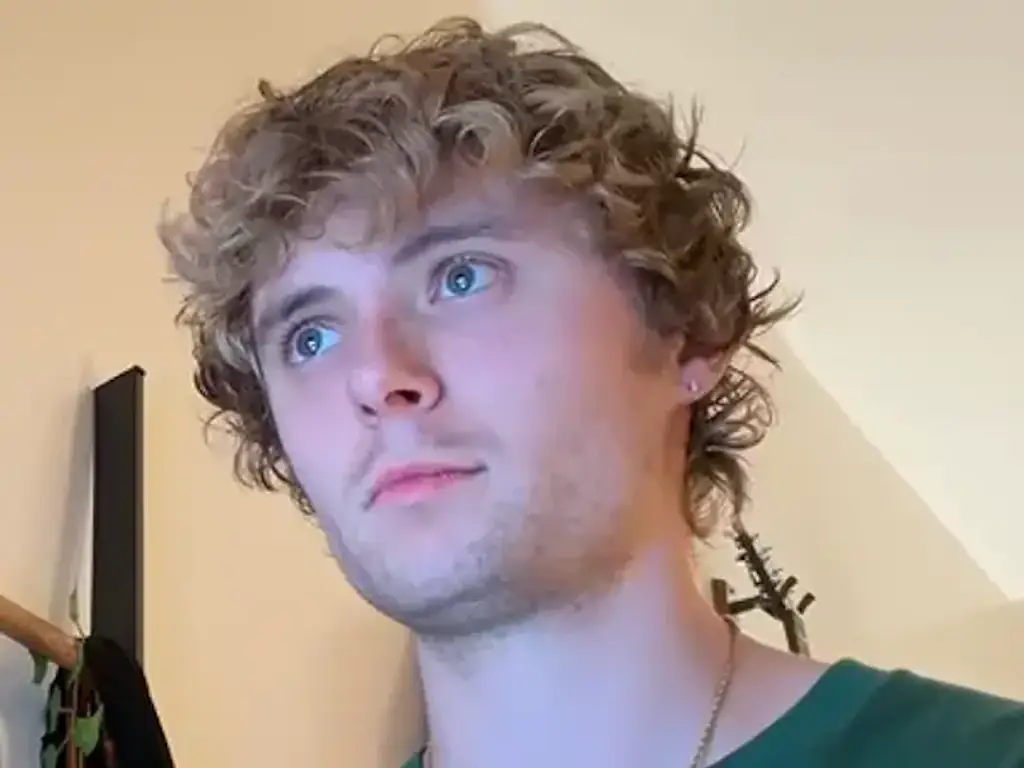
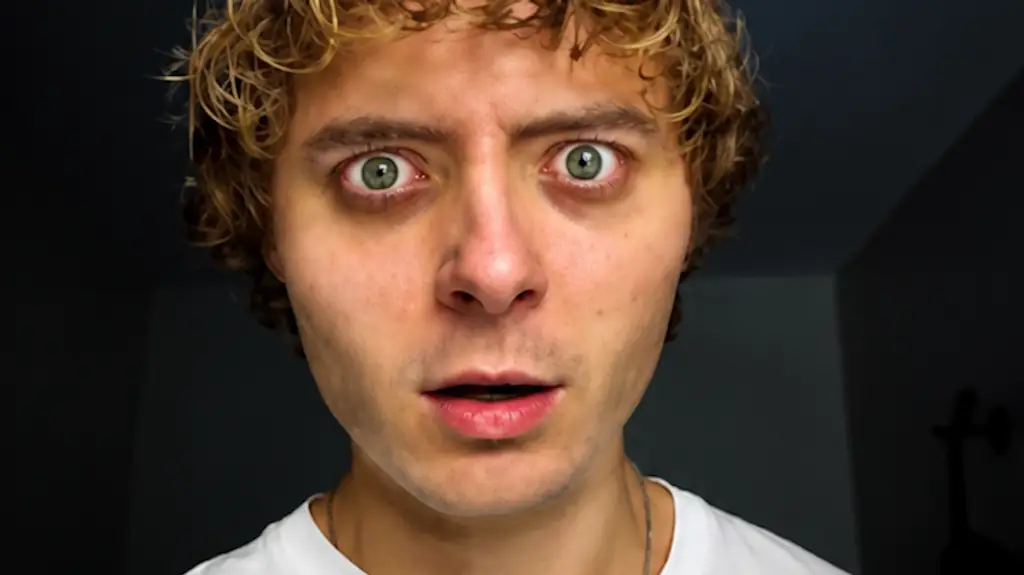
A YouTuber who stayed awake for three and a half days without sleeping has described the moment he began seeing things that were not there, including a woman sitting on his couch who did not exist.
Luke J, who documented the challenge on his YouTube channel, said he made it to 84 hours before stopping. He did not use excessive amounts of caffeine. He did not take anything to keep himself awake. He just did not sleep, and around the 72-hour mark, his brain started filling in the gaps on its own.
The hallucinations
They came near the end.
The first was a large bug that appeared in his field of vision. It was not there. He knew it was not there. But he saw it clearly enough that his body reacted before his brain could override it.
The second was worse.
"I thought I saw a woman sitting on my couch who also didn't exist," he told UNILAD.
By that point, he was struggling to distinguish between what was real and what his sleep-deprived brain was generating on its own.
He described moments where he had to actively think about whether he had already done something or just imagined doing it.
The boundary between memory, perception, and hallucination had started to blur.
He said he was not expecting to actually hallucinate.
He was also not expecting to feel 'as drunk' as he did without having consumed any alcohol.
By the end of day three, his body felt 'very sore', as though he had completed an intense workout, despite having done nothing physically demanding beyond the act of not sleeping.
How his sense of time changed
Early in the challenge, Luke was acutely aware of how much time had passed. He checked the stopwatch frequently. Hours felt like hours.
That changed as the deprivation deepened. By the second and third day, he stopped tracking time altogether and focused purely on the act of staying conscious.
"Time only really came up when I crossed into a new day or a friend asked," he said.
The shift from actively measuring how long he had been awake to simply trying to remain awake is consistent with what sleep researchers describe as the progressive shutdown of executive function, the part of the brain responsible for planning, self-monitoring, and keeping track of where you are in time.

Why he stopped at 84 hours
He originally planned to go for seven days.
Then he researched what actually happens to the human body after that long without sleep, and he changed his mind.
"I had done research before the video and found that the risk of hospitalization goes up after a certain point, so I set my stopping point before I started," he said. "I was seeing things that weren't there and could barely walk normally by the end, so I knew it was time."
The Guinness Book of World Records used to track the longest period a person had stayed awake. The record was 11 days. They removed the category entirely because of the danger involved.
According to the Cleveland Clinic, after 72 hours without sleep a person becomes 'irritable, anxious, depressed' and begins to 'struggle with executive function'.
Hallucinations can begin at this point.
The Mayo Clinic adds that prolonged sleep deprivation weakens the immune system and significantly impairs the body's ability to recover from illness.
What happened afterwards
The effects did not end when he finally went to sleep.
In the weeks following the challenge, Luke found it significantly harder to fall asleep at night, which is the kind of irony that only sleep deprivation could produce.
When he did sleep, he slept 'hard for a lot longer than usual', as though his body was trying to recover a debt it had never agreed to take on.
"I love a good challenge and testing my limits, but it's not worth a serious health risk," he said. "I wouldn't recommend anyone try this."
He saw a bug that was not there.
He saw a woman on his couch who did not exist. He could barely walk. He could not tell whether he had done things or imagined doing them.
And the worst part, the part that makes sleep researchers describe this kind of challenge as genuinely dangerous, is that by the time the hallucinations started he no longer had the cognitive function to reliably judge whether it was time to stop.
He stopped anyway. Not everyone who tries this does.