


US3 min(s) read
Donald Trump shares reason he may not get 'into heaven'

President Donald Trump offered an unusually candid reflection on mortality and eternal judgment during an interview broadcast on Sunday, admitting that his refusal to forgive his political opponents might jeopardize his path to the afterlife.
The exchange took place during a conversation with 60 Minutes correspondent Ross Douthat, which touched on Republican midterm defeats, national security, and immigration policies.
Toward the close of the discussion, the conversation pivoted away from domestic politics and toward the personal beliefs of the commander in chief. When asked directly about what he anticipates will occur when his life eventually comes to an end, the president provided a candid reaction before expanding on his faith and the spiritual barriers he faces.
The interview led to questions around whether Trump could ever reconcile with longtime critics and political adversaries, even if divine forgiveness depended upon it. Rather than offering an evasive or conventional political answer, the president conceded that his persistent animosity toward those who fought him remains an obstacle.
President Donald Trump's reflections on life after death
Addressing the subject of his own mortality, the president initially offered a lighter response before turning toward theological reflection.
"Well, I hope I'm missed," he responded.
When Douthat clarified that the question concerned spiritual destiny rather than public legacy, Trump elaborated on his personal expectations.
"Well, I'm a religious person, so in theory, I go to heaven," the president said. "I hope so. I don't want to go to hell."
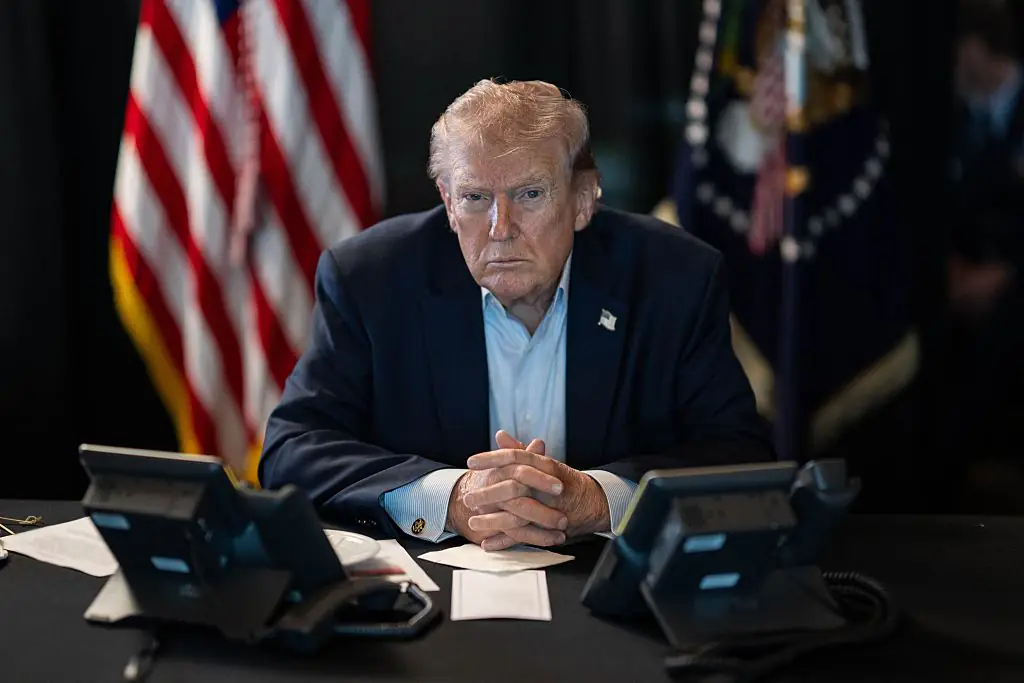
The condition of forgiveness
The dialogue then shifted to religious doctrines surrounding salvation and the biblical commandment to forgive others. Douthat presented a scenario asking whether the president could find it in himself to forgive prominent detractors in order to secure eternal peace.
"The answer is no. I want to be honest, no," Trump said.
When pressed on whether he could reconsider when facing divine judgment after living a life filled with notable privilege and fortune, the president stood firm on his inability to let go of longstanding grievances. He acknowledged that while giving a reassuring answer would be convenient, it would not reflect his true mindset.
"I probably cannot do that, no, because I do hate some of my enemies and always will," he admitted.
A turbulent post-midterm climate
The spiritual discussion followed a contentious post-election week for the White House, marked by substantial congressional losses for the Republican Party. In other segments of the interview, Trump reflected on the political setbacks, pointing to public dissatisfaction with the war against Iran and soaring energy prices.
"I think they didn't vote, really. I think they didn't vote. I think in some cases, they didn't like the candidates. And that's, you know, their prerogative," he remarked regarding voter turnout.
Trump also conceded that portions of his administration's domestic agenda drew public pushback. Addressing federal enforcement efforts, the president stated, "I think it was too tough," acknowledging that strict deportations had alienated voters who felt otherwise law-abiding workers were treated harshly.