


US5 min(s) read
Scientists give verdict on why so many planes are crashing amid Florida Learjet tragedy

Experts have shared their take on why it appears like so many planes seem to be crashing recently, after a Learjet 60 disaster in Florida.
On November 1 nine people were killed when a Learjet 60 private jet crashed near a mobile home community in West Palm Beach.
Those on board were named as pilot Jeff Gregory, 55, co-pilot Nathalia Filgueiras, 20, and passengers Adam Robinson, 44, who was a multimillionaire tech exec, his wife Helen Sharp, their two young children - Emma, four, and Charlie, two - and their nanny, Anita Maria Apellido, as well as their friends, Rachael Reed and Charmi Fehr.
The jet had reported moderate turbulence and icing before it began to plummet from 35,000 feet, tragically nosediving into the ground within 76 seconds.
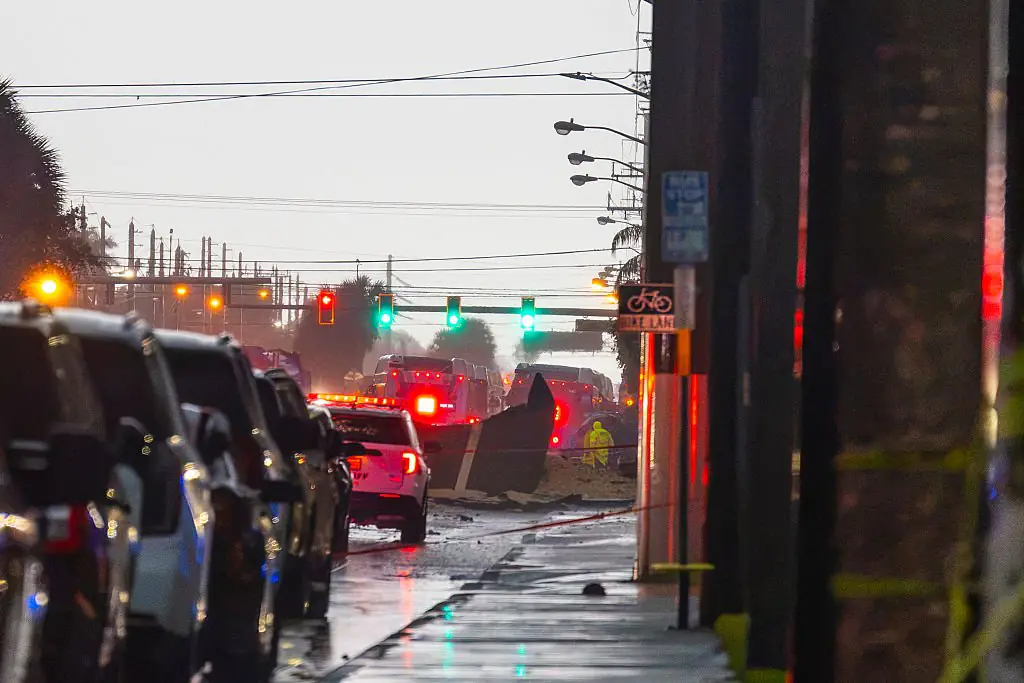
This latest aviation tragedy has brought renewed attention to other recent disasters, and has some questioning why it appears that so many planes are crashing.
While some have feared it might mean air travel is becoming more dangerous, Jan-Arwed Richter, founder and CEO of the German Aviation Safety Bureau (JACDEC), revealed that is not the case.
He told the Daily Mail that we are in "the safest era of air travel in history" - at least when it comes to passenger jets.
However, small aircraft, private jets, and helicopters remain considerably riskier than flying on larger planes.
Richter, whose company JACDEC collects air safety data, explained to the outlet: "Over the past 25 years, the average number of fatalities is way down compared with the 1990s or even the 2000s.
"At the beginning of the millennium, there were 1.7 billion counted air travellers per year. A quarter of a century later, we counted almost five billion passengers worldwide, an increase of 192 per cent."
While the number of passengers and flights has increased, the number of fatalities has fallen from 1,155 in 2001 to just 499 in 2025, across all forms of civil aviation in the air or on the ground.
The change has been universal and global, as Richter added: "I can't think of any other industry that has learned from faults, mishaps, and disasters in a similar fashion to civil aviation."
While private charter jets are also statistically very safe, they do carry more overall risk than large planes.
The level of regulation in how commercial flights are operated is what makes them a very safe mode of transport, as they fly above the weather, the crew operates on strict duty times, the pilots are very well-trained and experienced, and all systems are subject to regular checks.
For private charter jets, however, operational pressures can sometimes cause these standards to slip, particularly as private pilots are under greater pressure to stick to their schedules no matter what.
Richter explained: "Almost no commercial pilot has to fear any disciplinary action when diverting to an alternate airport for safety reasons, despite the risk of upsetting their passengers.
"Private pilots are mostly alone in the cockpit. They need to assess a situation on their experience and their subjective risk assessments and are to a higher degree compelled to stick to their flight as planned."

This could mean that pilots feel compelled to travel in worse conditions, increasing the risk of something going wrong.
The investigation into the Learjet 60 crash is currently underway, with the bad weather being a major focus of the US National Transportation Safety Board investigation.
Harrowing audio recordings from the cockpit saw co-pilot Filgueiras reporting that they were struggling with turbulence and icing, as well as "picking up precipitation" as they traveled through a stormy patch.
Reports suggest that the pilots were warned of the inclement conditions and ATC had tried to help them navigate safely through the difficulties they were facing mid-flight.
Murray Terwey, pilot training and flight safety expert from Edith Cowan University, revealed that human error accounts for around 80 percent of all accidents.
He told the Daily Mail: "Private flights have lower levels of regulatory oversight and are operated by crews with less experience and support. They therefore have a much higher accident rate than commercial aircraft."
While hearing about plane crashes can be worrying for nervous travelers, flying still remains an extremely safe form of transport.
Dr Simon Bennett, director of the Civil Safety and Security Unit at the University of Leicester, told the outlet: "It would be far safer if people spent their entire lives at 40,000 feet rather than navigating around on the ground.
"Statistically, you are far less likely to be killed six miles in the air than you are in London, Manchester, or Newcastle."
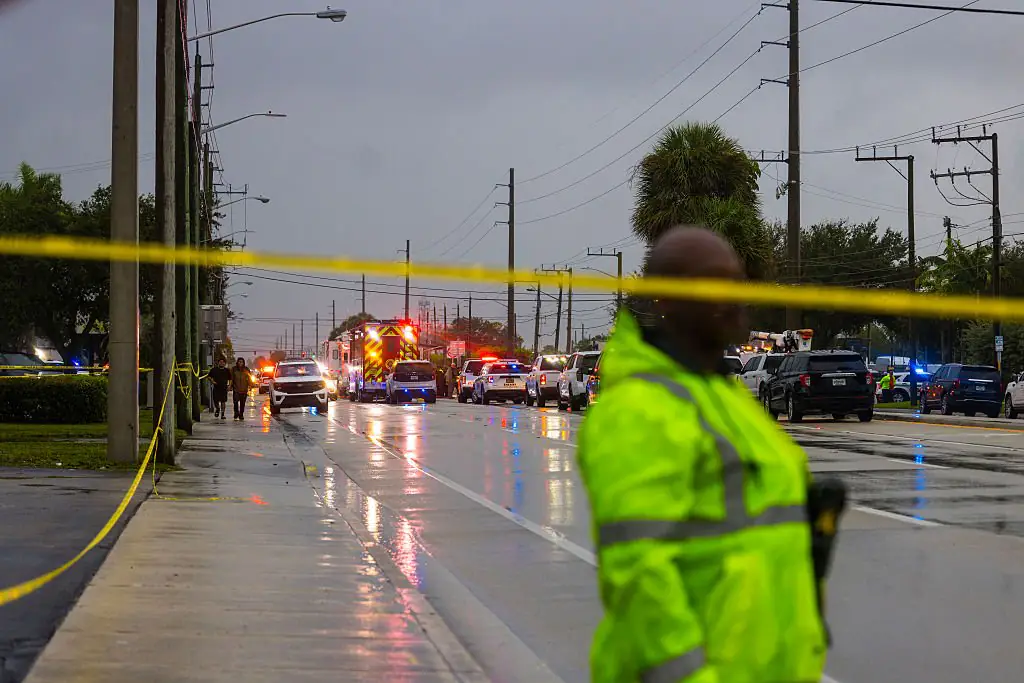
Dr Bennett explained that a lot of the fear comes from the "dread risk" as passengers have to relinquish control to a stranger who is piloting the plane.
He added: "To be frank, I found that image quite disturbing because it captures the very second that the pilot and first officer died.
"Whatever state of mind you are in before you watch the video, you can understand why someone would be alarmed."