Uncategorised3 min(s) read
us3 min(s) read
Donald Trump is reportedly considering adding 36 more countries to the U.S. travel ban list, which would prevent their citizens from entering the United States.
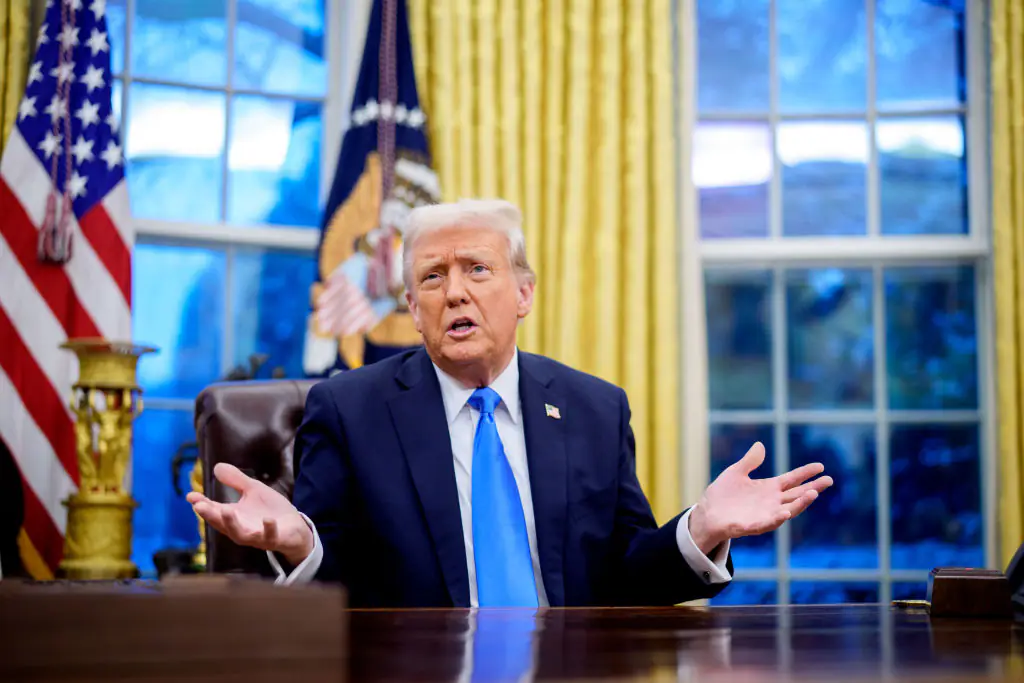
Since coming back to the Oval Office, President Donald Trump has revived one of his most polarizing signature policies.
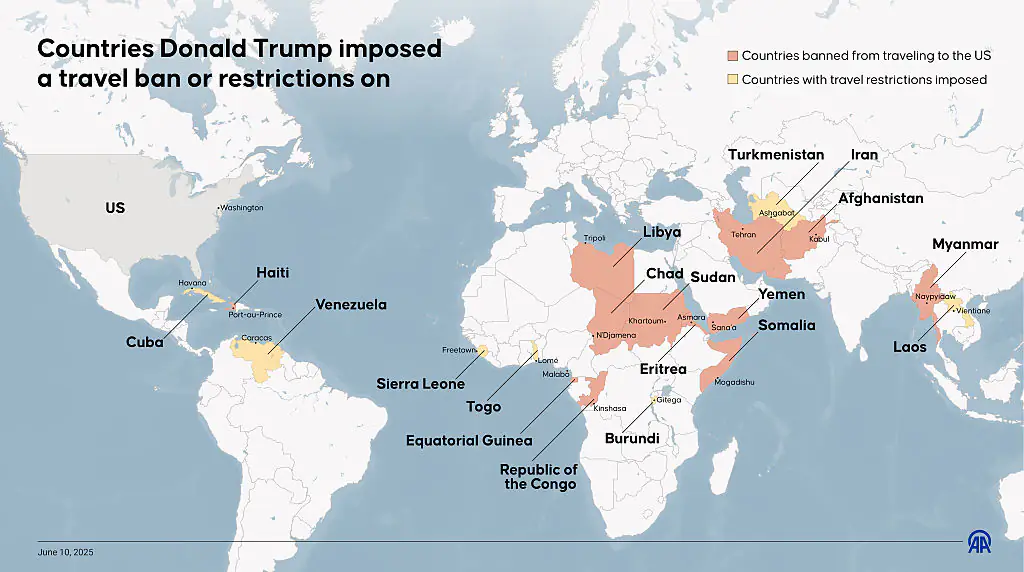
This month, the 79-year-old implemented a new order barring entry to the U.S. for citizens of 12 countries spanning four continents. The full ban applies to Afghanistan, Burma (Myanmar), Chad, the Republic of the Congo, Equatorial Guinea, Eritrea, Haiti, Iran, Libya, Somalia, Sudan, and Yemen.
Additionally, seven more nations, Burundi, Cuba, Laos, Sierra Leone, Togo, Turkmenistan, and Venezuela, now face tightened entry restrictions based on visa types and vetting status.
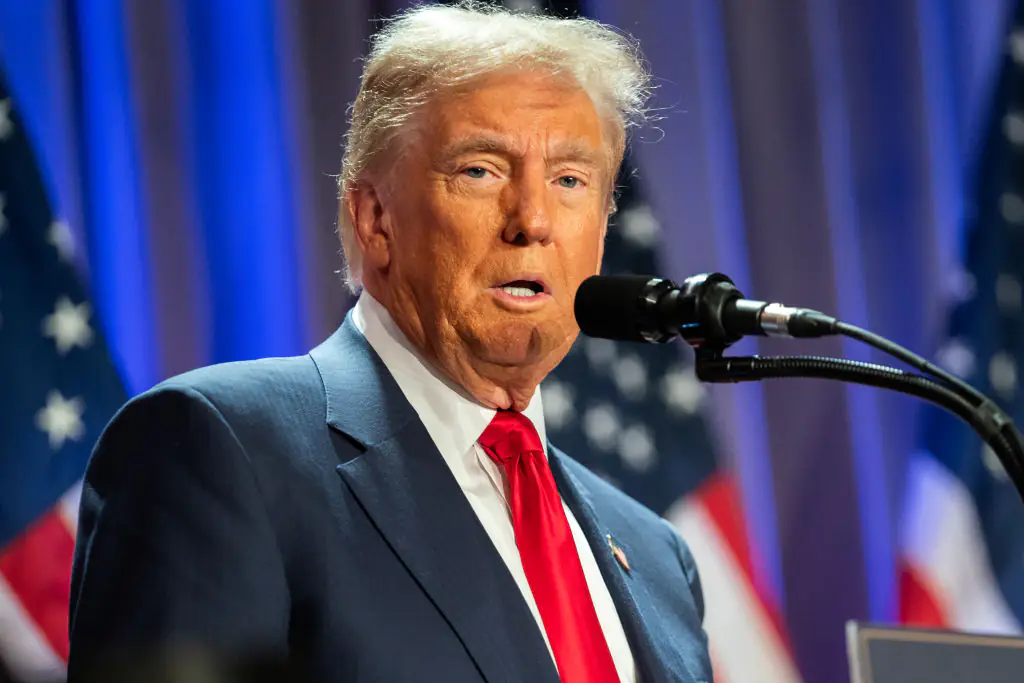
Trump cited national security and terrorism concerns for the move. “Very simply, we cannot have open migration from any country where we cannot safely and reliably vet and screen those who seek to enter the United States,” he said. “We will not allow people to enter our country who wish to do us harm.”
Now, an additional 36 countries are on the verge of being added unless they meet strict security standards within 60 days.
These include Angola, Antigua and Barbudam, Benin, Bhutan, Burkina Faso, Cabo Verde, Cambodia, Cameroon, Democratic Republic of Congo, Djibouti, Dominica, Ethiopia, Egypt, Gabon, Gambia, Ghana, Ivory Coast, Kyrgyzstan, Liberia, Malawi, Mauritania, Niger, Nigeria, Saint Kitts and Nevis, Saint Lucia, Sao Tome and Principe, Senegal, South Sudan, Syria, Tanzania, Tonga, Tuvalu, Uganda, Vanuatu, Zambia, and Zimbabwe.
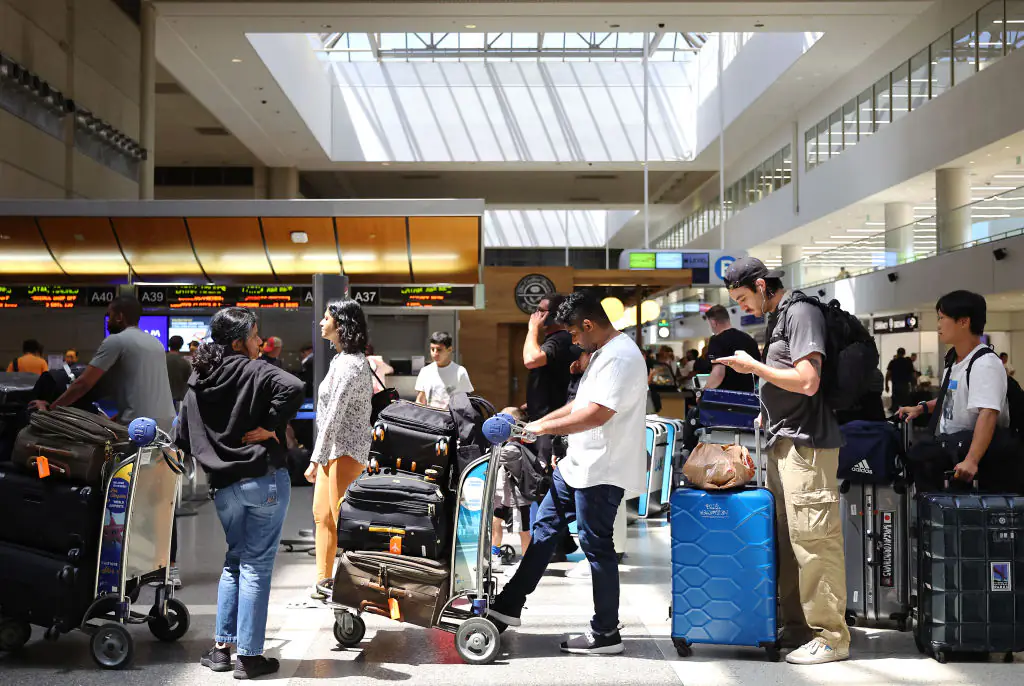
While previous visas remain valid, new applications from citizens of banned countries will be automatically denied unless applicants fall under narrowly defined exceptions.
Afghan nationals holding Special Immigrant Visas, lawful permanent US residents, and dual nationals from non-banned countries are still allowed to travel.
A specific exemption has also been carved out for athletes and officials participating in major sporting events like the 2026 FIFA World Cup and the 2028 LA Olympics.
Athletes, coaches, support teams, and immediate families will be admitted, but not fans from banned countries. Nicole Hoevertsz, vice president of the International Olympic Committee, said she’s been assured that participants will be able to enter the country.
Critics have argued that the expanded travel ban disproportionately targets non-white, non-Western nations.
“This policy is not about national security - it is about sowing division and vilifying communities that are seeking safety and opportunity in the United States,” said Oxfam America president Abby Maxman, per The Guardian.
Mikhail Nyamweya, a political analyst, warned that “the disproportionate impact on African nations would institutionalize a perception of Africans as outsiders in the global order".
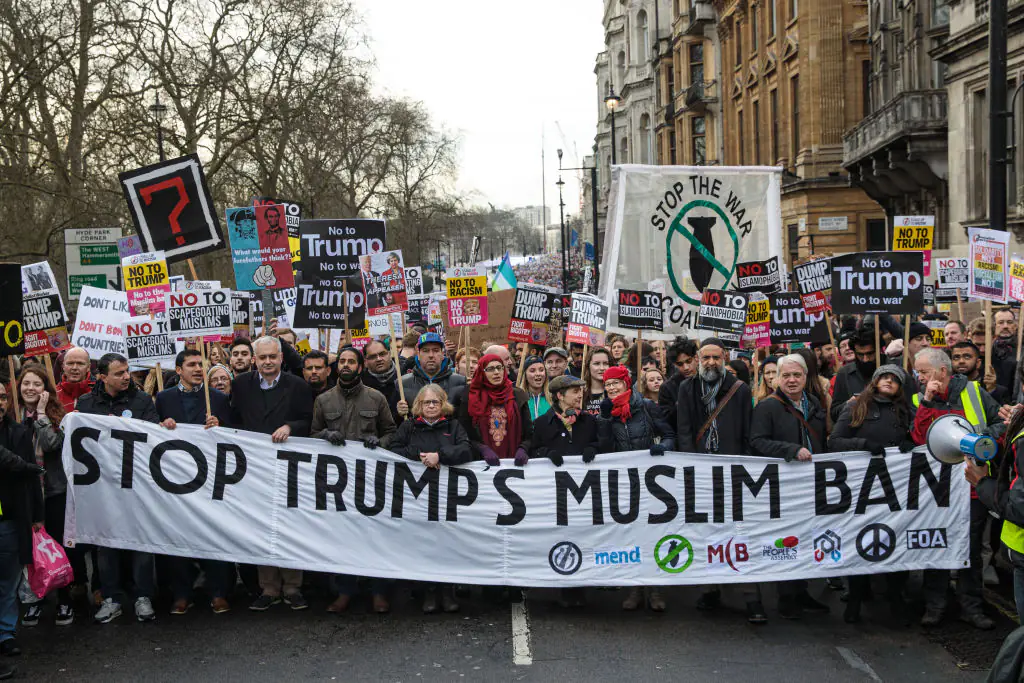
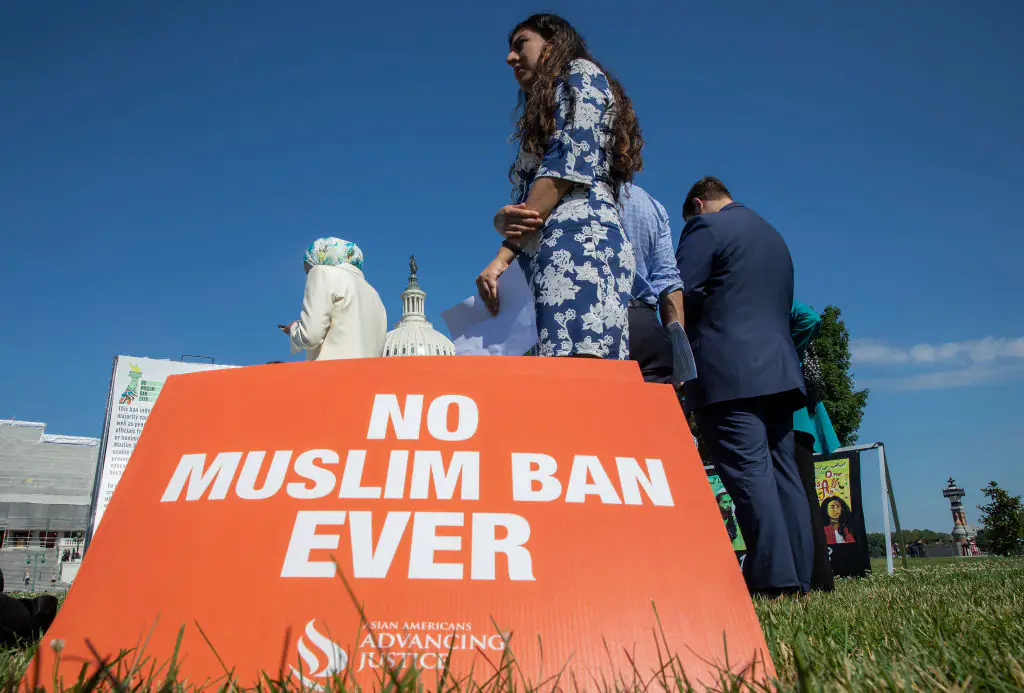
Although Trump’s first ban in 2017 drew massive protests, this version has flown slightly under the radar. That earlier ban, which focused on seven Muslim-majority nations, was struck down and then partially upheld by the U.S. Supreme Court in 2018. President Joe Biden repealed it in 2021, calling it “a stain on our national conscience".
But Trump insists his hardline approach works: “It is the policy of the United States to protect its citizens from aliens who intend to commit terrorist attacks, threaten our national security, espouse hateful ideology, or otherwise exploit the immigration laws for malevolent purposes.”
His administration said countries can still be removed from the list if they meet new US vetting standards. But for now, the message is clear: comply, or be cut off.
us4 min(s) read
Donald Trump’s sweeping new travel ban is officially in effect, blocking entry to the United States for nationals of 12 countries across four continents.
The controversial policy kicked in on Monday (June 9), with the president claiming it was built on “common sense restrictions” aimed at “protecting Americans from dangerous foreign actors," per Metro.
The list includes the fully banned countries, which are Afghanistan, Burma (Myanmar), Chad, the Republic of the Congo, Equatorial Guinea, Eritrea, Haiti, Iran, Libya, Somalia, Sudan, and Yemen.
It also includes the countries with heightened restrictions: Burundi, Cuba, Laos, Sierra Leone, Togo, Turkmenistan, and Venezuela.
Citizens holding passports from the 12 fully banned nations will be denied entry starting today. While those from the seven additional countries face partial restrictions, the extent depends on specific visa categories and background checks.
“Very simply, we cannot have open migration from any country where we cannot safely and reliably vet and screen,” Trump said in a statement.
The 78-year-old's first travel ban, which was announced in 2017, focused on seven Muslim-majority nations. The announcement triggered widespread protests and legal battles before being upheld by the Supreme Court in 2018.
Trump defended the move by citing national security concerns. “It is the policy of the United States to protect its citizens from aliens who intend to commit terrorist attacks, threaten our national security, espouse hateful ideology, or otherwise exploit the immigration laws for malevolent purposes,” he said.
Last week, he doubled down, claiming the newly banned countries pose “terrorism-related” and “public-safety” risks, and accused them of having “deficient” vetting systems or refusing to accept deported nationals, per The Guardian.
He also linked the ban to a recent attack in Boulder, Colorado, involving a suspect who overstayed a tourist visa, even though the suspect was from Egypt, a country not on the restricted list.
Though met with less uproar than Trump’s first ban, the latest policy has sparked strong criticism. Human rights organizations have called it discriminatory, while foreign policy analysts warn of lasting diplomatic damage.
“This policy is not about national security – it is about sowing division and vilifying communities that are seeking safety and opportunity in the United States,” said Abby Maxman, president of Oxfam America.
Mikhail Nyamweya, a political and foreign affairs analyst, said in an interview that the disproportionate impact on African nations would "institutionalize a perception of Africans as outsiders in the global order".
Critics also noted that although the list now includes some non-Muslim countries, such as Haiti and Myanmar, the ban disproportionately affects non-white nations in the developing world, renewing accusations that Trump’s immigration policies are rooted in “bigotry.”
Unlike the 2017 version, the new ban contains a specific exemption for athletes and staff attending “major sporting events” such as the 2026 FIFA World Cup in Los Angeles and the 2028 Olympic Games co-hosted by the US, Mexico, and Canada.
Athletes, coaches, support teams, and immediate family members will be allowed to enter, but fans from banned countries will not. This raises concerns about empty stands and logistical hurdles for international teams.
Nicole Hoevertsz, vice president of the International Olympic Committee and chair of the LA28 coordination commission, said organizers had been assured by federal officials that “participants will be able to enter the country".
Meanwhile, US consular officials clarified that previously issued visas will remain valid, but new applications from citizens of banned countries will be automatically denied unless applicants meet very narrow exemption criteria.
Trump stated that the list is subject to revision. Countries could be added or removed depending on their cooperation with U.S. security vetting standards.
Former President Joe Biden had repealed Trump’s earlier bans in 2021, calling them “a stain on our national conscience," but Trump insists his order "successfully prevented national security threats from reaching our borders".
us news3 min(s) read
Donald Trump is set to reinstate his controversial "travel ban" policy from his first term, expanding the list of restricted countries.
The administration is finalizing an executive order that would bar citizens from a new list of blacklisted countries from entering the United States, The New York Times and Reuters reported.
The move falls under the executive order titled “Protecting the United States from Foreign Terrorists and Other", which Trump signed on January 20. The order claims it aims to safeguard national security by blocking entry to individuals deemed a potential threat.
Under the 78-year-old's directive, Secretary of State Marco Rubio, Attorney General Pam Bondi, Secretary of Homeland Security Kristi Noem, and Director of National Intelligence Tulsi Gabbard have 60 days to finalize the list of countries facing restrictions.
According to Reuters, the following countries are reportedly on the “red list”, meaning their citizens could be completely barred from entering the US:
During his first term, Trump imposed several travel bans targeting mostly Muslim-majority nations.
His Travel Ban 3.0, enacted in 2017, restricted entry from Iran, Libya, North Korea, Syria, Venezuela, Yemen, and Somalia.
His Travel Ban 4.0, implemented later, restricted immigration from additional countries but did not affect non-immigrant visa applications. Those impacted included Eritrea, Kyrgyzstan, Nigeria, Myanmar, and Sudan.
Biden repealed the bans on his first day in office in 2021, calling them "a stain on our national conscience." Now, with Trump back in the White House, reports suggest a new version of the ban is imminent.
This time, Trump’s administration is reportedly considering a tiered system to categorize countries based on security concerns.
Red List: A complete ban on entry. Orange List: Limits on visa applications, with in-person interviews required for approval. Yellow List: Countries given 60 days to improve their security screening processes or risk stricter restrictions.
If Pakistan is not placed on the red list, it is expected to land in the orange tier, according to The NYT.
Experts warn that US citizens could face increased scrutiny or travel restrictions when visiting countries on the new ban list.
Zane Kerby, CEO of the American Society of Travel Advisors, told Travel Weekly that “blanket ‘entire country’ travel bans constrain legitimate business and discourage friendly foreign visitors," adding that they could also invite “retaliation from targeted countries and their allies.”
The looming ban has already created uncertainty among individuals from affected countries.
Advocacy groups working to evacuate Afghans with valid US visas have advised them to make travel arrangements immediately, fearing they could be shut out if the policy takes effect soon.
While Trump has yet to make an official announcement, the growing speculation has already reignited debates over the effectiveness and fairness of broad travel bans.
us3 min(s) read
Donald Trump has banned citizens from 12 countries from entering the United States that he deems to have a “hostile” attitude.
If this all sounds familiar, it’s because it is. The move echoes Trump’s first-term travel ban, initially targeting predominantly Muslim countries and sparking outrage, protests, and legal challenges across the US, per Sky News.
Back then, the list included Iraq, Syria, Iran, Sudan, Libya, Somalia, and Yemen. That order was revised multiple times before being upheld by the Supreme Court in 2018.
Now, Trump’s new version drops Syria (after a recent meeting with its leader) but adds fresh names, while triggering the same outrage.
Citizens from 12 countries are now fully banned from entering the US: Afghanistan, Myanmar, Chad, Republic of the Congo, Equatorial Guinea, Eritrea, Haiti, Iran, Libya, Somalia, Sudan, and Yemen.
Another seven countries - Burundi, Cuba, Laos, Sierra Leone, Togo, Turkmenistan, and Venezuela - face partial restrictions.
“This discriminatory policy, which limits legal immigration, not only flies in the face of what our country is supposed to stand for, it will be harmful to our economy and communities that rely on the contributions of people who come to America from this wide range of countries,” said Democratic Rep. Pramila Jayapal.
In a video statement posted to social media, Trump cited national security and the recent attack in Boulder, Colorado, carried out by an Egyptian national, as the final straw.
He said the attack “underscored the extreme dangers posed to our country by the entry of foreign nationals who are not properly vetted, as well as those who come here as temporary visitors and overstay their visas.”
Trump then added: “We don’t want them.”
The White House echoed that line, claiming some banned countries have “a significant terrorist presence” or “poor screening” protocols. Others, officials say, refuse to accept deported individuals, per the Guardian.
Trump’s proclamation also insists that people entering the US must not hold “hostile attitudes toward its citizens, culture, government, institutions, or founding principles” and must not support terror groups.
There are exceptions: athletes competing in the 2026 World Cup and 2028 Olympics, permanent US residents, and Afghans with special immigrant visas will still be allowed entry.
The list is also subject to change. Trump said it was “subject to revisions based on whether material improvements are made” and warned that “new countries could be added as threats emerge around the world.”
The proclamation is scheduled for review within 90 days of taking effect (on June 9), and again every 180 days after that. At each interval, it may be “continued, terminated, modified, or supplemented.”
Joe Biden had revoked Trump’s original travel ban on his first day in office in 2021. Now, with Trump back, the rebooted ban is broader and even more complex, layered with travel restrictions, visa crackdowns, and social media screenings.
Trump has also ordered consulates to screen the social media accounts of anyone applying for a visa to study at Harvard University and announced plans to limit foreign student visas altogether.
us4 min(s) read
Last year, President Trump reintroduced a sweeping travel ban targeting several countries - and attention was seriously focused on his decision after it was revealed that two countries from the list have qualified for the 2026 FIFA World Cup, which will be held in the USA.
In June, Trump announced that he was bringing back restrictions on travel to the US from many countries, primarily ones in Africa and the Middle East.
Full bans were put in place for 12 countries, with a further seven nations facing partial restrictions.
In a proclamation shared by the president at the time, he stated: "During my first Administration, I restricted the entry of foreign nationals into the United States, which successfully prevented national security threats from reaching our borders and which the Supreme Court upheld.
"In Executive Order 14161 of January 20, 2025 (Protecting the United States From Foreign Terrorists and Other National Security and Public Safety Threats), I stated that it is the policy of the United States to protect its citizens from aliens who intend to commit terrorist attacks, threaten our national security, espouse hateful ideology, or otherwise exploit the immigration laws for malevolent purposes.
"I also stated that the United States must be vigilant during the visa-issuance process to ensure that those aliens approved for admission into the United States do not intend to harm Americans or our national interests.
"More importantly, the United States must identify such aliens before their admission or entry into the United States. The United States must ensure that admitted aliens and aliens otherwise already present in the United States do not bear hostile attitudes toward its citizens, culture, government, institutions, or founding principles, and do not advocate for, aid, or support designated foreign terrorists or other threats to our national security."
The following countries have been issued a full travel ban:
The countries facing partial restrictions are:
The expanded 48-team competition, jointly hosted by the United States, Mexico, and Canada, kicks off next summer.
With qualifying nearly wrapped, 42 nations have already been awarded a place, including debut appearances from Curaçao, Cape Verde, Jordan, and Uzbekistan.
However, questions have been raised after two countries from the list have made it through.
Iran, who topped their Asian qualifying group with 23 points, have made it to their seventh World Cup, while Haiti joined them this week after a decisive 2–0 win over Nicaragua, securing only their second-ever appearance at the tournament.
Reports suggest U.S. authorities have already blocked the Iranian delegation from entering the country for December’s World Cup draw.
On paper, Trump’s restrictions bar most nationals from banned countries from entering the U.S. as immigrants or tourists.
That includes thousands of fans who would otherwise be traveling to support their teams.
However, athletes competing in major international sporting events are exempt – meaning players, coaches, and essential staff from the affected nations will be allowed in.
Immediate family members are reportedly also covered.
The real uncertainty lies with supporters as FIFA expects to make more than six million tickets available, according to The Guardian, but fans from banned nations will need to navigate a more complicated visa process than most.
To handle the massive influx of applications, U.S. embassies will use a newly created FIFA Prioritised Appointment Scheduling System (PASS).
Fans with verified tickets will be bumped to the front of the line for visa interviews, though approval still isn’t guaranteed.
“America welcomes the world,” FIFA president Gianni Infantino said, calling PASS “a very concrete example” of efforts to make 2026 the most inclusive World Cup ever.
Secretary of State Marco Rubio added that PASS 'guarantees you an expedited appointment' but stressed that all applicants face the same vetting process, BBC News reports.
Meanwhile, Trump has continued warning host cities that they could lose their matches if they don’t crack down on crime, aiming threats at Seattle after similar remarks about Boston.
With the World Cup draw now set and the tournament just months away, FIFA, U.S. officials, and competing nations are working through the diplomatic complications.