


Film & TV4 min(s) read
Key details Netflix left out of new Natalee Holloway documentary

When Netflix released Taken: The Disappearance of Natalee Holloway, audiences flocked to revisit the mystery that captivated the world nearly two decades ago.
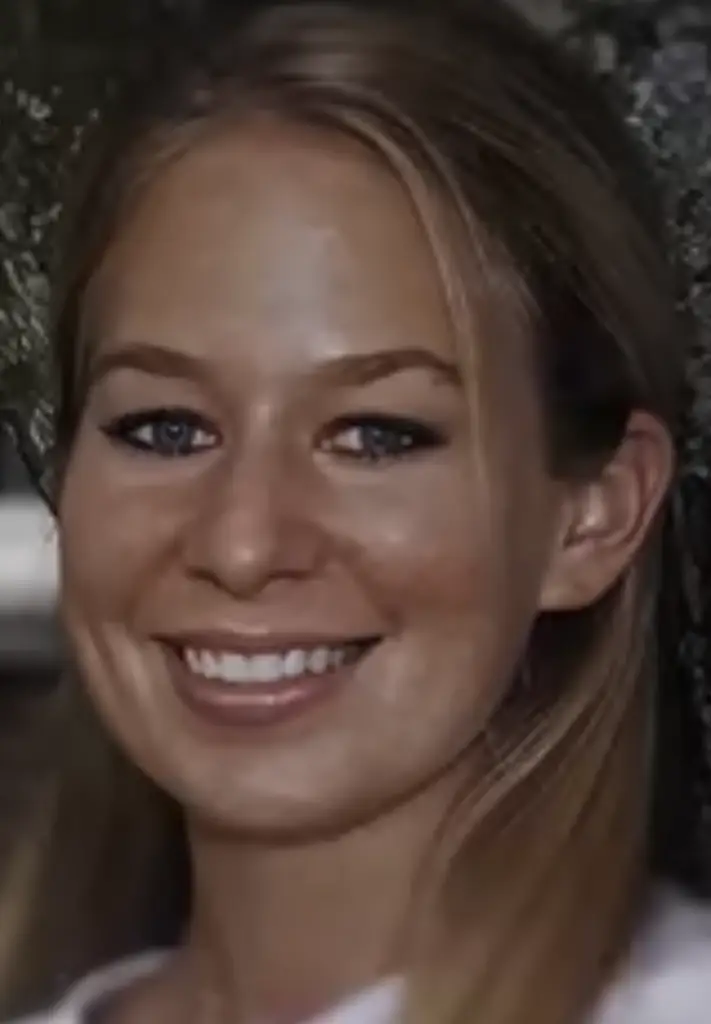
The tragic disappearance of the eighteen-year-old Alabama high school senior during her May 2005 graduation trip to Aruba remains etched into public memory.
Her sudden disappearance turned a tropical resort into the epicenter of a frantic international inquiry that left her loved ones searching for answers.
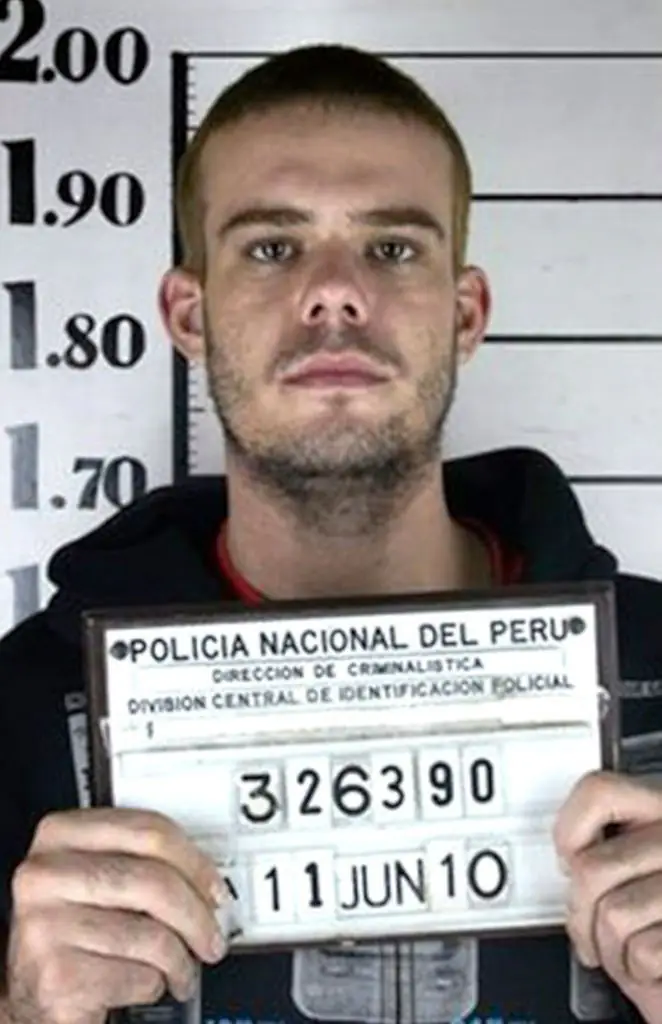
For years, suspicion centered on Dutch teenager Joran van der Sloot, who was seen leaving a local bar with Natalee and brothers Deepak and Satish Kalpoe.
Although the investigation yielded numerous detentions, aggressive forensic interrogations, and dead ends, van der Sloot avoided prosecution for murder until an extortion plea agreement in federal court finally brought a confession in late 2023.
Yet, despite the expansive runtime of the streaming platform's release, long-time observers noticed that the production glossed over critical aspects of the historical record.
Online sleuths, legal analysts, and devoted true-crime researchers quickly compiled an extensive catalog of real-life developments that hit the cutting-room floor. From advanced aerial defense missions to courtroom showdowns targeting television executives, several crucial puzzle pieces received zero attention on screen.
Massive military tracking and private underwater sweeps
Viewers relying entirely on the streaming release missed out on the true scale of the physical searches conducted across Aruba. During the initial frantic weeks of July 2005, the Royal Netherlands Air Force deployed three F-16 fighter jets armed with specialized infrared imaging equipment to scan the entire island from above.
Technicians analyzed high-resolution satellite imagery over the subsequent year, hunting for subtle surface variations that could pinpoint a freshly dug grave, yet neither initiative uncovered a trace of the missing teenager.
Meanwhile, Natalee's father, Dave Holloway, refused to abandon hope and launched independent operations when formal government funding dwindled. Toward the close of 2007, he chartered a dedicated research craft named Persistence to drag deep-water sensors across oceanic sectors far past the original rescue perimeter.
The private maritime campaign braved rough waters until early 2008, when severe financial constraints forced the crew to halt the mission without securing physical evidence.
Deceptive television stings and cross-border tension
The docuseries similarly omitted the media storm sparked by Dr Phil McGraw and his daytime syndicated talk program. The broadcast aired an undercover audiotape capturing Deepak Kalpoe discussing the evening Natalee vanished, presenting snippets that insinuated intimate contact took place between Natalee, Joran, and the Kalpoe brothers.
Law enforcement officials in Oranjestad swiftly countered the program by producing unedited master tapes proving Deepak had actually refuted those allegations, prompting the Kalpoe family to file civil lawsuits against CBS, Dr Phil, and the private operative who captured the conversation.
Friction also flared between local authorities and visiting American representatives in the aftermath of the disappearance. Former Aruban deputy police chief Gerold Dompig, alongside local editor Julia Renfro, publicly questioned why an unauthorized emergency medical flight touched down on the island without clearance shortly after Natalee vanished.
Their suspicions intensified when an anonymous female informant sought significant cash payouts to reveal alleged burial coordinates, fueling claims of external tampering that strained relations between Aruban investigators and outside parties.
Lawsuits surrounding another televised search
Few viewers realized that this was hardly the first time television producers faced heavy legal scrutiny while covering the mystery. In 2017, Oxygen distributed its own multi-part investigation tracking Dave Holloway and private investigator TJ Ward as they chased down an informant linked to van der Sloot.
That earlier production made worldwide headlines after discovering biological remnants, only for independent mitochondrial DNA examinations to reveal that the bone fragments bore no genetic connection to Beth Holloway.
The fallout culminated in a formal federal complaint filed by Beth Holloway in 2018 against the executive team behind the Oxygen broadcast.
She contended that producers deliberately manipulated her expectations, manufactured artificial drama around unsubstantiated claims, and misled her regarding the true scientific necessity of obtaining her personal genetic samples for the show.