A heated online debate has erupted after YouTubers Jesse and Ashley Ridgway revealed they chose to terminate their first pregnancy following a diagnosis of Trisomy 21, also known as Down syndrome.
The couple, who married last year, had shared their pregnancy news in March, announcing that they were expecting their first child in the fall of 2026.
Fans of Jesse, better known online as McJuggerNuggets, celebrated the news and flooded social media with messages of support.
Couple decide to end pregnancy
However, weeks later, the pair revealed that prenatal screening suggested their unborn son had a high likelihood of having Down syndrome. Hoping the results were inaccurate, they underwent further testing, including an amniocentesis procedure.
Jesse later confirmed that the diagnosis was verified, describing the experience as emotionally devastating.
On June 3, Jesse announced that Ashley had undergone a termination procedure earlier that week.
“This week, my wife and I made the very difficult decision to terminate the pregnancy due to Trisomy 21,” he wrote. “The choice was not made lightly.”
He acknowledged that many followers might disagree with the decision, adding: “I know some of you may be very disappointed to hear this news.”
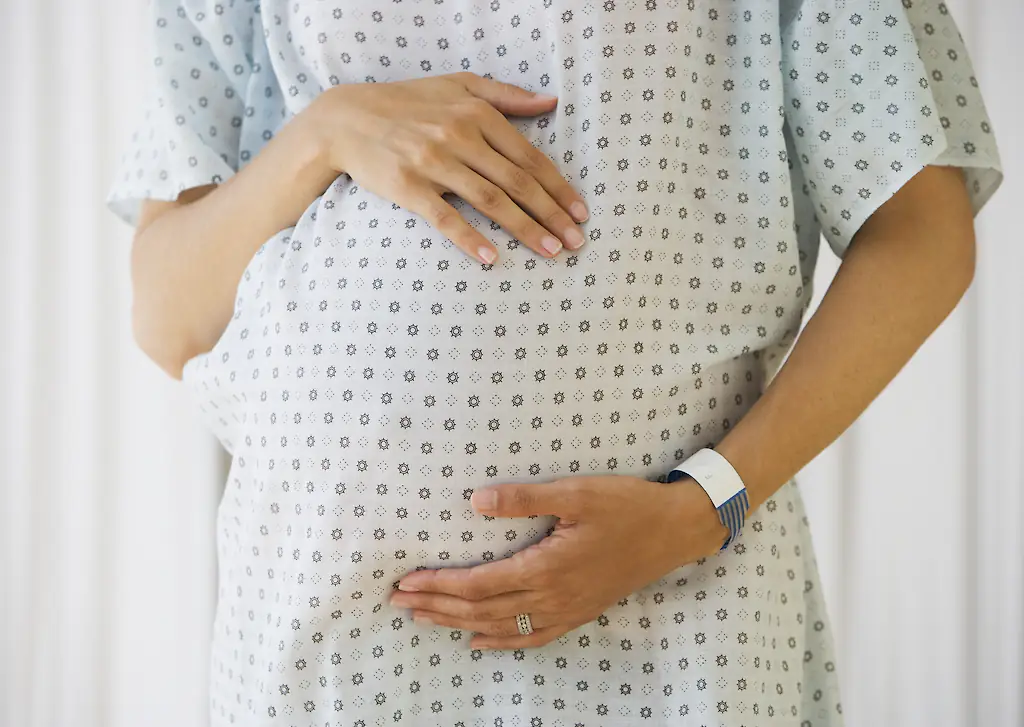
The couple made the difficult decision to terminate the pregnancy. (stock image) Credit: Tetra Images / Getty Images
According to Jesse, the couple spent weeks researching the condition, consulting doctors and genetic counselors, and discussing the situation with family members before making their decision. He described the process as “extremely traumatic” for both of them.
The news proves divisive online
The announcement quickly divided opinion online. Critics argued that the decision reinforced negative perceptions about people with Down syndrome.
“What concerns me most is the message this sends about the value of people with Down syndrome,” one commenter wrote. “A disability does not diminish a person’s humanity or dignity.”
Others defended the couple, arguing that reproductive decisions are deeply personal matters that should remain between families and their healthcare providers. The discussion soon expanded into a wider debate about disability rights, prenatal testing, reproductive choice, and public attitudes toward genetic conditions.
As the controversy grew, many people with Down syndrome shared their own perspectives. Among the most widely circulated responses was one from actress, model, and disability advocate Lily D. Moore.
“Yes, they had a choice,” Moore wrote. “But no one with Down syndrome is a mistake, a glitch, or suffering.”
She acknowledged that receiving such a diagnosis can be overwhelming for expectant parents, saying: “I’m sure it is scary with all of the unknowns of having a child who was not what they were expecting.”
At the same time, she challenged assumptions about quality of life for people with Down syndrome.
“I’m personally living my best life and I know I am a blessing to my parents,” she wrote. “Wish they would have educated themselves!”
Moore's comments resonated with many advocates who argued that discussions about prenatal diagnoses often focus heavily on medical challenges while overlooking the experiences and achievements of people living with the condition.
Other advocates pointed to research suggesting that many individuals with Down syndrome report high levels of life satisfaction and maintain strong family relationships. Some shared stories about careers, friendships, travel, marriage, and independent living.
National Down Syndrome Society CEO Kandi Pickard also criticized Jesse's previous suggestion that Down syndrome “isn’t a blessing.”
Speaking to People, she said she “vehemently disagrees,” citing studies showing that “99% of people with Down syndrome are happy with their lives” and noting that most families love and are proud of their children with the condition.
Pickard and OB-GYN Dr. Eboni January both stressed the need for balanced, fact-based information for families facing prenatal diagnoses.
Couple have abortion after finding out their baby has Down Syndrome. Credit: Instagram
They emphasized that Down syndrome affects each individual differently and that families should be given accurate resources and compassionate support when making decisions.
As criticism continued, Jesse addressed followers directly and acknowledged the concerns raised by people with disabilities.
“You matter a lot and we’re glad you’re here,” he wrote. “I commend you and your families for having the strength and courage to push forward.”
He reiterated that the decision was made only after extensive conversations with medical professionals and loved ones. Despite the backlash, Jesse said he and Ashley believe they made the best decision for their family.
“You never think you’d be in this type of situation until it happens to you and then things change,” he wrote.
While Ashley's procedure was physically successful, Jesse said both of them were struggling emotionally.
“Thankfully, everything went smoothly, but emotionally we are drained.”
Looking ahead, Jesse said the couple hopes to heal and eventually try for another child.
“We made a difficult decision that we believe in the long run will be beneficial for our family,” he wrote. “Thankfully, we had a choice. It will take a little time to move on, but we are excited to try again in the future and hopefully have a better outcome.”
Featured Image. Credit: Tetra Images / Getty