Loading...
World2 min(s) read
world3 min(s) read
world3 min(s) read
us3 min(s) read
world3 min(s) read
travel3 min(s) read
Published 11:07 09 May 2018 GMT
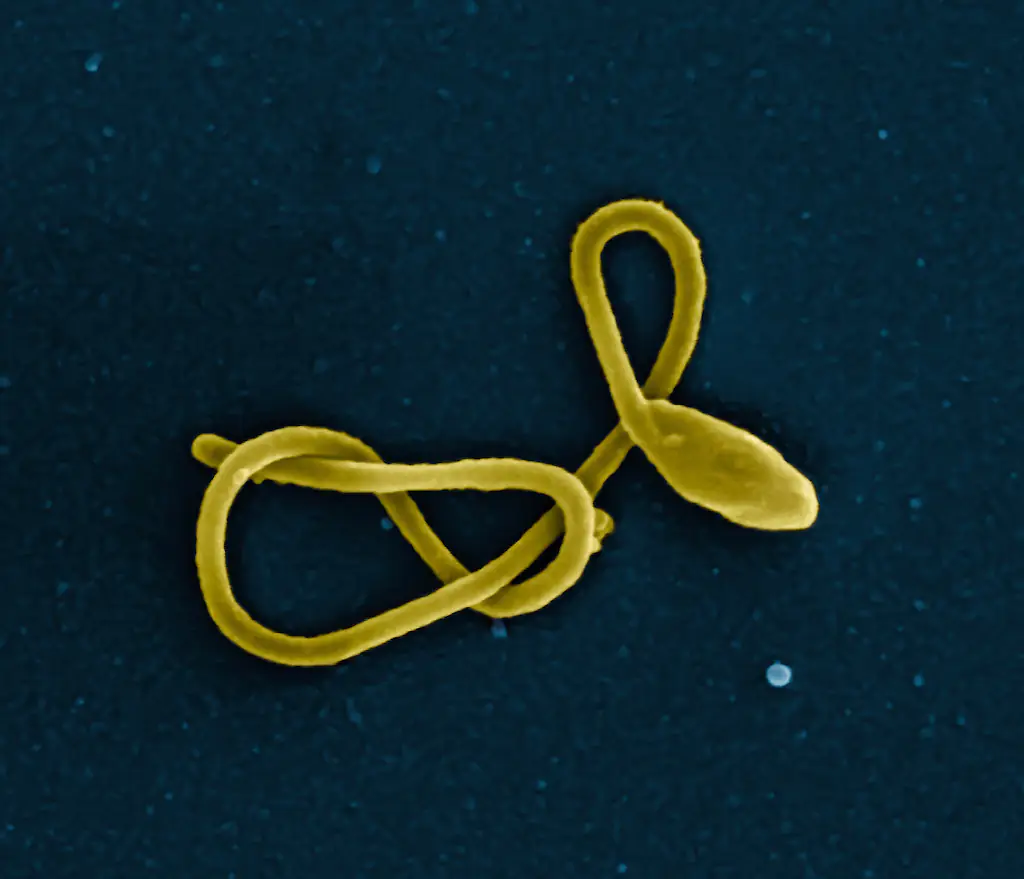
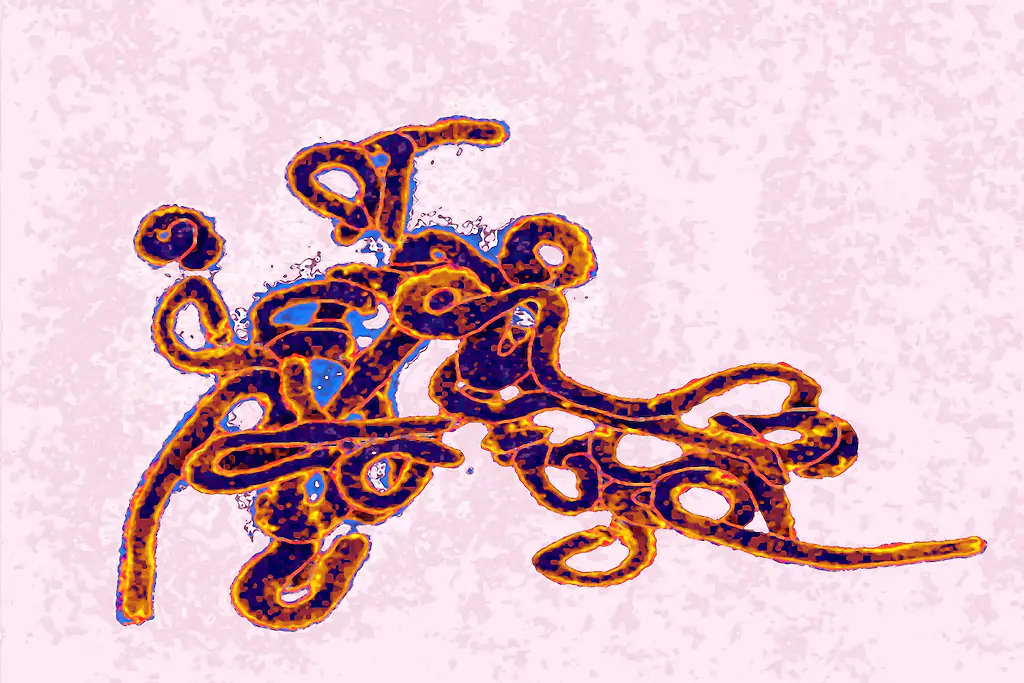
A new outbreak of the Ebola virus has been confirmed by the government of the Democratic Republic of the Congo (DRC), after two people tested positive for the disease in Bikoro, in the country's north-west.
"Our country is facing another epidemic of the Ebola virus, which constitutes an international public health emergency," the Democratic Republic of the Congo's health ministry said in a statement. It also confirmed that a further 17 individuals may have already been killed in the outbreak.
A 2014 outbreak of the disease killed more than 11,000 people across the West African countries of Guinea, Sierra Leone and Liberia, with a total of 28,000 cases confirmed in this area. In the DRC, 49 people lost their lives, with another flare-up in 2017 killing a further four people.
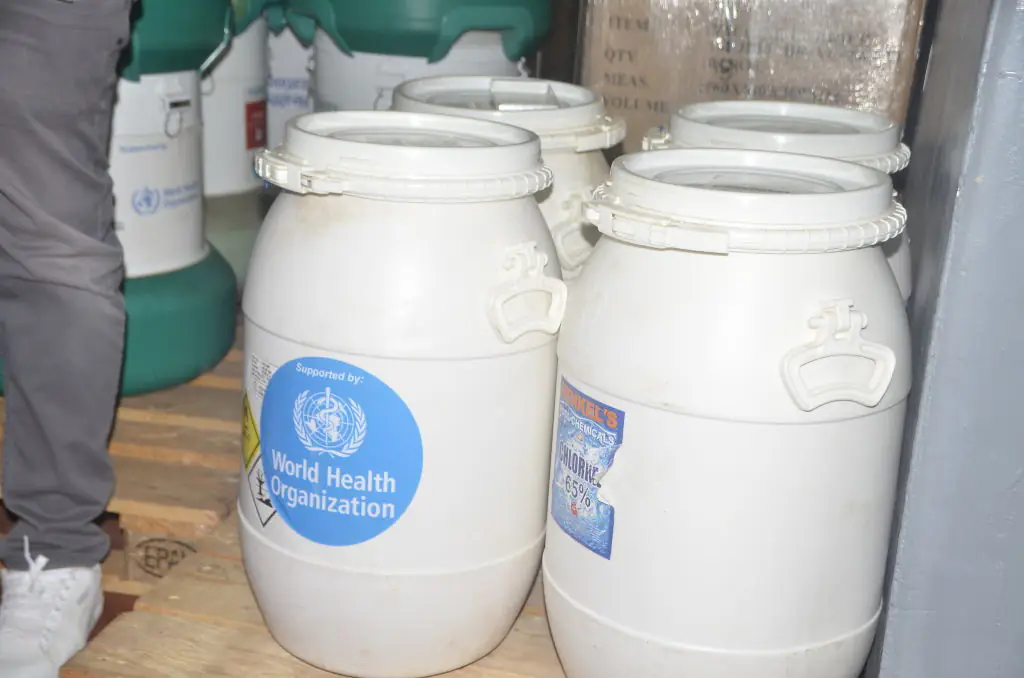
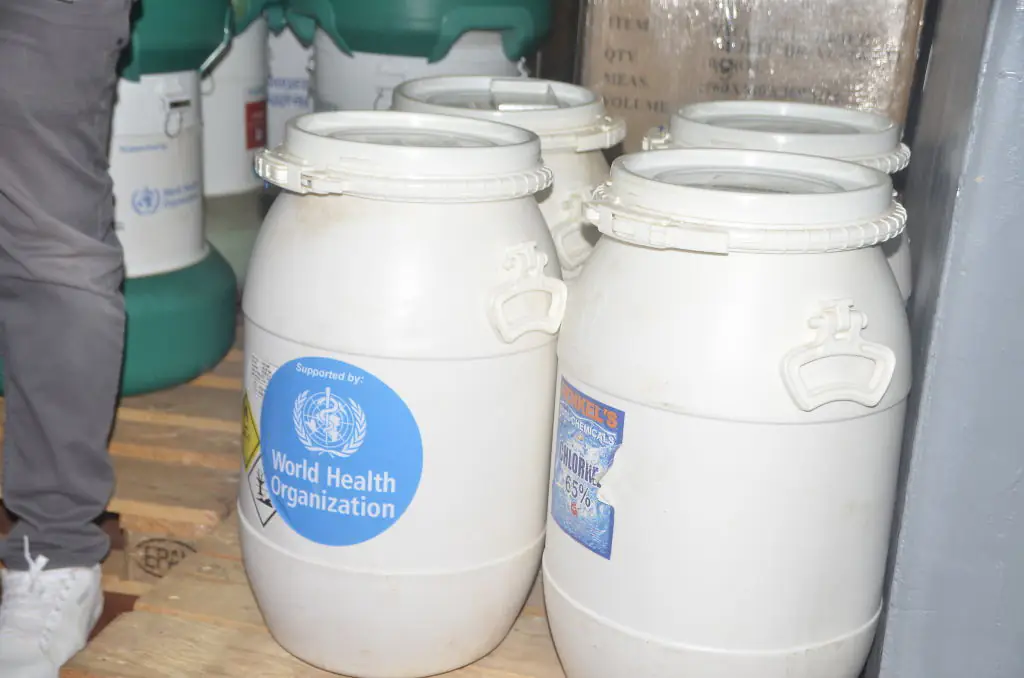
The World Health Organization also confirmed the news, adding that they were working with the government of the DRC to enact prevention operations and mobilise health teams: "Working with partners and responding early and in a coordinated way will be vital to containing this deadly disease", said Dr Peter Salama, WHO Deputy Director-General, Emergency Preparedness and Response, in a statement. In order to support these efforts, WHO has released $1 million from its Contingency Fund for Emergencies.
A highly contagious disease, the most common signs of Ebola are a high temperature, a headache, joint and muscle pain, a sore throat, and severe muscle weakness. However, when symptoms become worse they can include diarrhoea, vomiting, stomach pain and reduced kidney and liver function. In the final stages, the patient may bleed internally, or from the ears, eyes, nose or mouth.
Part of what makes Ebola so threatening is that there is currently no licensed treatment or vaccine for the disease. According to WHO guidelines, in order to be declared free of the disease, a country must present no new cases for a period of 42 consecutive days, during which time the last confirmed patient will have twice tested negative for the disease.
According to the Centers for Disease Control and Prevention, scientists do not know exactly where Ebola comes from. However, having looked at similar viruses, they believe that it may be transmitted to humans via animals, with fruit bats being a likely source. The virus can spread to people via direct contact with the blood, body fluids and tissue of infected fruit bats or primates.
Published 16:16 26 Feb 2025 GMT
Published 15:39 08 Sep 2025 GMT
Doctors have sounded the alarm after 15 people died from one of the deadliest diseases on the planet in the Democratic Republic of Congo (DRC).
An outbreak of Ebola started in the southern part of the country last month, leaving officials racing to contain the spread of the deadly virus.
28 cases have so far been detected, and four health workers are among those to have died already.
This is the 16th outbreak of the virus in the DRC.
The African nation’s health ministry said that officials were alerted to the latest outbreak after a 34-year-old woman who was pregnant was brought to the hospital in Kasai province with high temperature and vomiting.
It is not clear whether this woman has since died.
Mohamed Janabi, the World Health Organisation’s (WHO) regional director for Africa, said that the United Nations agency was ‘acting with determination to rapidly halt the spread of the virus and protect communities’.
Experts from the WHO have been sent to the region to work alongside a rapid response team from DRC to help bolster services from disease prevention and detection, treatment, and control within health facilities.
However, Janabi warned that ‘case numbers are likely to increase as the transmission is ongoing’.
The official said: “Response teams and local teams will work to find the people who may be infected and need to receive care, to ensure everyone is protected as quickly as possible.”
The WHO said that the DRC has a stockpile of treatments and 2,000 doses of the Ervebo vaccine.
Those are to be brought to Kasai and given to contacts of those who have contracted the virus and healthcare workers on the frontlines.
A shipment including mobile lab equipment and medical supplies will also be sent.
Three years ago, six people died during the last outbreak in DRC.
However, between 2018 and 2020 around 2,300 people died during another outbreak.
Ebola is a viral haemorrhagic fever that is named after a river in DRC.
Discovered in 1976, the disease is among the most deadly on earth, with a fatality rate of over 50 percent - 53.6 percent, to be more accurate.
It is transmitted through bodily fluid exposure, and the key symptoms include diarrhoea, fever, vomiting, and bleeding.
Outbreaks can be particularly difficult to contain in areas with many people and particularly in built-up areas like cities.
The illness occurs naturally in some animals such as bats, monkeys and porcupines, but can be transmitted to people through eating uncooked so-called ‘bushmeat’.
Those who are infected do not become contagious until after an incubation period of between two days and three weeks, and until symptoms appear.
In 2014, 11 cases were found in the USA, of which four were laboratory confirmed.
In total, two of those people died.
None of those who died contracted the disease in the United States, with most of the cases made up of those medically evacuated from other countries.
Published 09:00 18 May 2026 GMT
CDC has released a statement after six American nationals were exposed to the deadly Ebola outbreak spreading through the Democratic Republic of Congo.
Three of the Americans are believed to have had high-risk contact with the virus, though it remains unclear whether any have actually been infected or whether they are still in the country.
This comes after the World Health Organization (WHO) declared the outbreak in Congo and neighboring Uganda a "public health emergency of international concern," the highest alert level it can issue, CBS News reported.
The Centers for Disease Control and Prevention confirmed it is now helping coordinate the "safe withdrawal" of the Americans linked directly to the outbreak.
"At this time, the risk to the American public remains low," the CDC said in a statement shared on Sunday (May 17). "CDC continues to closely monitor the situation and has systems in place to detect and respond rapidly to potential public health threats."
"The CDC's Country Offices in the DRC and Uganda have been coordinating across the U.S. Government, Ministries of Health, other members of the USG, and international partners to support response operations, including surveillance, laboratory diagnostics, infection prevention and control, and other outbreak containment efforts."
"CDC is also supporting interagency partners who are actively coordinating the safe withdrawal of a small number of Americans who are directly affected by this outbreak," they added.
Health officials say the outbreak involves the Bundibugyo strain of Ebola, a rare and particularly dangerous variant first identified in 2007.
Unlike the better-known Zaire strain, there is currently no approved vaccine or treatment available for Bundibugyo Ebola, which has led to concerns about how hard it would be to contain the outbreak.
DR Congo health minister Samuel-Roger Kamba said the strain "has a very high lethality rate which can reach 50 percent," per Al Jazeera.
As of Sunday, more than 300 suspected Ebola cases had been recorded in Congo, while at least 80 suspected deaths have already been reported.
The CDC says eight cases have been laboratory confirmed so far this year.
The rare but life-threatening infection spreads through direct contact with an infected person's bodily fluids and does not spread through the air or casual contact.
According to Mayo Clinic, symptoms start with a flu, but can progress to severe bleeding, neurological disorders, severe vomiting, weakness, abdominal pain, nosebleeds, muscle pain, and a rash.
The CDC has now issued travel advisories urging Americans in both Congo and Uganda to "practice enhanced precautions" and avoid anyone displaying symptoms.
Travelers are also being encouraged to check the latest health guidance before visiting either country.
The outbreak is taking place in Congo's eastern Ituri province, a mineral-rich region bordering Uganda and South Sudan that has endured decades of armed conflict.
This latest outbreak marks Congo's 17th Ebola outbreak since 1976. One of the deadliest outbreaks in history swept through West Africa between 2014 and 2016, killing more than 11,000 people.
Published 00:57 31 Aug 2018 GMT
The African Ebola outbreak has undoubtably been one of the worst epidemics of the 21st century. Between 2013–2016, the World Health Organisation has estimated that there were a total of 28,616 cases and 11,310 deaths as a result; but the true scale of the contagion is still unknown. However, statistics only tell us one story. To understand the full devastation caused by this disease, we need to examine the accounts of people who are actually on the ground, fighting a seemingly-impossible battle against a terrifying sickness.
One such person is British doctor Oliver Johnson, who worked in Sierra Leone in 2013 during the height of the epidemic, and who witnessed first-hand the horrors which the illness could inflict upon people. A team of 100 doctors were desperately attempting to treat a population of nearly 7 million people. Oliver was stationed at at Freetown’s Connaught Hospital, and saw families decimated and bodies piled one on top of one another due to lack of space. It was clear that although Oliver had only just graduated from King's College, even the most experienced doctors were totally out of their depth.
Describing the chaos, Oliver stated:
"Quite early on, a lot of the senior medics were infected and died. This had a pretty negative impact on the junior doctors, too. As things got worse and worse and as more and more doctors started dying and the number of patients just kept growing, I knew I had to help."
"One day I came into the hospital and there was a patient dying in the hallway, with blood flowing everywhere. Staff and relatives were trying to help, but none were wearing gloves or the right kind of protection. I knew I had to do something. That was the moment when I stepped in and for the first time put on those protective suits."
He added:
"I spent a lot of time moving dead bodies and trying to reassure scared and upset patients, who believed it was all a foreign conspiracy. When the outbreak started in the summer of 2014, we kept thinking that the experts would come at some point and relieve us, but that never really happened."
"By the time they did we had already become experts ourselves. We were so overwhelmed all the time. The speed at which Ebola transmits and kills is terrifying. One night I remember going into a ward of six and talking with them about their families and then saying goodnight to them all. The next morning when I went to check up on them, they were all dead."
Oliver returned to England in 2015, when the virus was beginning to abate, and will be returning to the Democratic Republic of Congo later this year. He believes that the ebola virus has not been defeated, only suppressed.
All we can do is hope that we have learned from the lessons of the past, and trust that doctors are as compassionate as Oliver, and the others who died treating patients in Sierra Leone, and that they will be up to the task next time.
Published 11:33 05 Mar 2026 GMT
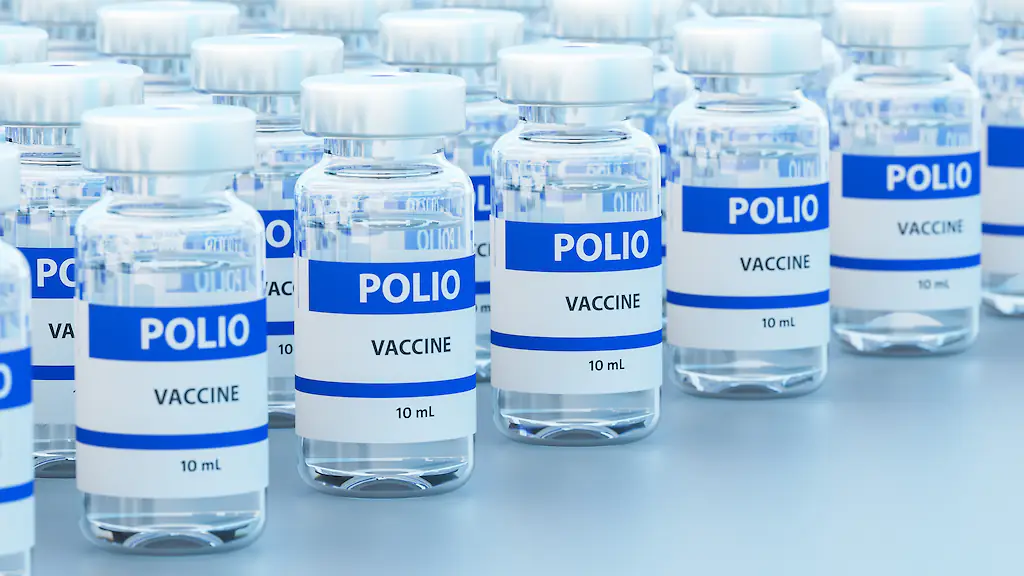
Travelers are being urged to take extra precautions after health officials issued an urgent warning about the spread of polio across dozens of countries around the world.
The U.S. Centers for Disease Control and Prevention (CDC) has issued a level 2 travel alert, which alerts people to "practice enhanced precautions” before visiting 32 countries where the virus is currently circulating.
The advisory advises everyone to make sure they are fully vaccinated against the disease and recommends that people planning to visit affected areas consider receiving a single-dose booster.
Polio, or poliomyelitis, is a highly infectious disease that attacks the nervous system.
The illness is caused by the extremely contagious poliovirus, which spreads through droplets from sneezing or coughing and through feces. It can also be transmitted through contaminated food or drink.
For most people infected with the virus, symptoms never appear, but when they do, they resemble a mild flu-like illness, including fever, tiredness, nausea, headache, nasal congestion, sore throat, muscle aches, and vomiting. This early stage is known as "abortive polio," per the Daily Mail.
A smaller percentage develop nonparalytic polio, which causes more severe symptoms such as neck and spine stiffness, decreased reflexes, muscle weakness, and more intense flu-like illness.
In rare but serious cases, the disease progresses to paralytic polio - the most dangerous form. This stage can cause intense pain, extreme sensitivity to touch, tingling sensations, muscle spasms or twitching, and paralysis.
The CDC said in its advisory: "Polio can be fatal if the muscles used for breathing are paralyzed or if there is an infection of the brain."
According to the CDC, polio has been detected within the past 12 months in countries including the UK, Spain, Poland, Germany, and Finland, alongside several nations across Africa and the Middle East:
The agency advises travelers to wash their hands frequently and follow recommended hygiene practices to help reduce the risk of infection.
Polio was once a major public health crisis in the United States before vaccines reduced its spread.
Today, the vaccine is administered as a four-dose series throughout childhood, normally given at two months, four months, six to 18 months, and again between four and six years of age. Once the series is completed, protection is believed to last for life.
Per the latest CDC data, 92.5 percent of children in the United States have received at least three doses of the polio vaccine.
However, health officials warn that growing vaccine hesitancy could help fuel the return of diseases that were once nearly eradicated.
Health and Human Services head Robert F. Kennedy Jr.'s lawyer and ally, Aaron Siri, petitioned the FDA in 2022 to revoke approval of the polio vaccine, which eliminated the disease in the US.
In January, Dr. Kirk Milhoan, a pediatric cardiologist who leads the Advisory Committee on Immunization Practices, suggested vaccinations against polio and other diseases should be optional.
“If there is no choice, then informed consent is an illusion,” Dr. Milhoan told The New York Times. “Without consent, it is medical battery.”