


World Politics4 min(s) read
Researchers unlock 400-year-old padlock found in shipwreck after cracking its secret code

A 400-year-old padlock was finally opened after researchers ascertained the elusive combination.
The brass lock was among a valuable collection of items carried aboard the Ann Francis, a ship that was caught in a violent storm and wrecked near the Welsh coast on December 28, 1583.
Researchers unlock 400-year-old padlock
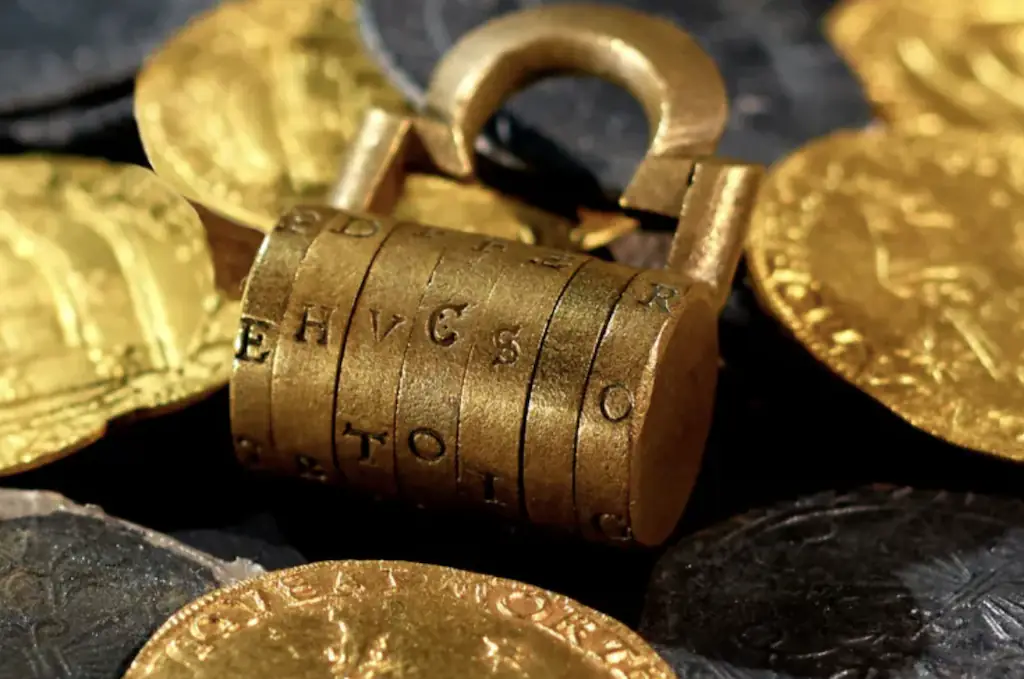
For more than four centuries, the lock remained shut. But experts have now successfully worked out its four-letter combination: ANCE.
Researchers from Cardiff University and museum specialists used advanced CT scanning technology to examine the historic object and uncover the mechanism behind its secret code.
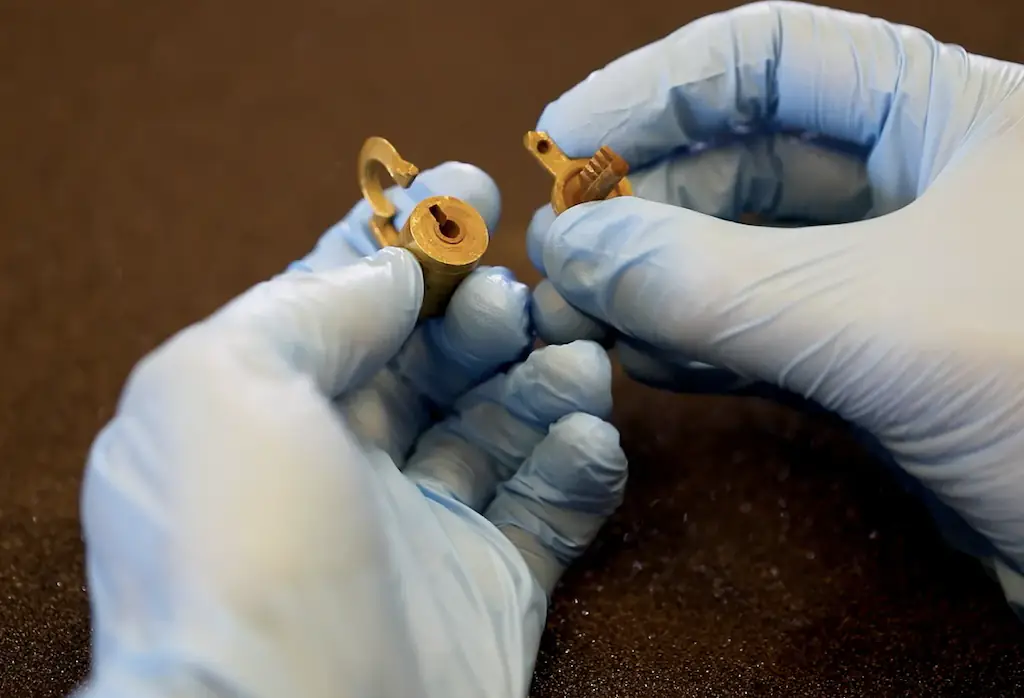
In a statement, Cardiff University explained: “Working alongside specialists at Cardiff University, museum experts used CT scanning technology to examine the lock’s internal mechanism without causing any damage.
“The scans allowed researchers to identify the correct letter combination and successfully unlock the historic artefact.”
The remarkable discovery began when metal detectorist Peter Hughes found the padlock on a beach in Port Talbot, around 36 miles west of Cardiff, in 1999.
The object was subsequently acquired by Amgueddfa Cymru and Cardiff University, with Hughes spending years attempting to discover its combination himself.
Speaking to the BBC, the 69-year-old explained that finding the treasure was never part of a planned expedition.
“It was by chance — a day off,” Hughes said.
“I was walking along the beach with my metal detector on a day off, and I came across a coin. That was the start of a journey that lasted 21 years.
“I tried to unlock it for about 20 years, I tried moving the dials, finding the right combinations, and I failed. But with the aid of modern technology we’ve been able to crack what’s like the Da Vinci code, really.”
The breakthrough came thanks to micro-CT scanning, which allowed researchers to look inside the brass object without having to damage or dismantle it.
Dr David Williams, a research associate at Cardiff University's School of Engineering, explained how the technology revealed the secret behind the combination.
“Micro-CT scanning allowed us to look inside the lock without damaging it. By creating a detailed 3D image of the internal mechanism, I could see how the notches lined up with the letters and identify the exact combination,” he said.
Williams admitted that examining such an unusual historical object was a first for the research team, who typically use the technology for studying biological material.
“We normally use this technology to study bones and other biological structures, so investigating a 400-year-old padlock was certainly a first for us,” he continued.
“...Getting the message that we’d cracked it was incredibly satisfying.”
He added: “It’s not every day you get to solve a 400-year-old mystery!”
The history of the padlock
The Ann Francis was making its way back to Spain when it encountered a powerful storm on the evening of December 28, 1583.
The weather forced the vessel off course before it was wrecked at Margam Beach, close to Port Talbot.
Its valuable cargo was left buried beneath the sand for hundreds of years before eventually being recovered by experts.
According to Cardiff University, the padlock had originally secured a small treasure chest discovered close to Spanish silver coins and two coin weights at the wreck site.
For Hughes, finally seeing the lock opened after so many years was an extraordinary moment.
Reflecting on the discovery to the BBC, he said: “It’s like opening the Ark of the Covenant, and I’m delighted, truly thrilled.”
The historic padlock is now among several artefacts recovered from the Ann Francis that are on display at the National Waterfront Museum in Swansea.
The collection forms part of an exhibition titled Tides of Treasure, which explores the remarkable finds associated with the shipwreck.
The exhibition is scheduled to remain open until September 2027.