


Stories2 min(s) read
Scientists reveal grim reason some people get bitten by mosquitos more than others

If you’ve ever felt like mosquitoes choose their victims indiscriminately, think again. Science may have finally uncovered the reason why the bloodthirsty creepy crawlies have a particular taste for certain people over others.
From ruining trips abroad by leaving holidaymakers with itchy, conspicuous red marks to spreading lethal diseases like Malaria and the Zika virus, out of all the insects humans encounter, mosquitoes are easily among the most despised.
They aren’t just wreaking havoc among humans either. In the United States, for instance, mosquitoes have helped spread a virus that has caused strange growths on rabbits, while China has recently encountered a new mosquito-borne illness. These examples make it clear why so many people would rather keep their distance from these small but troublesome creatures.
It's a matter of taste
Entomology professor at the University of Florida, Jonathan F. Day believes he has answered the age-old question of why mosquitoes have a particular fondness for some, while they shun others.
The expert explained that mosquitoes are not careless feeders; instead, they are highly selective in choosing their targets. One of the main signals that guides them is carbon dioxide (CO₂), the gas that humans exhale.
“The amount of CO₂ you produce,” Day says, “depends on your metabolism, genetics, and other factors. The more you emit, the more attractive you become to mosquitoes.” People with faster metabolisms, therefore, tend to draw more attention from these insects.
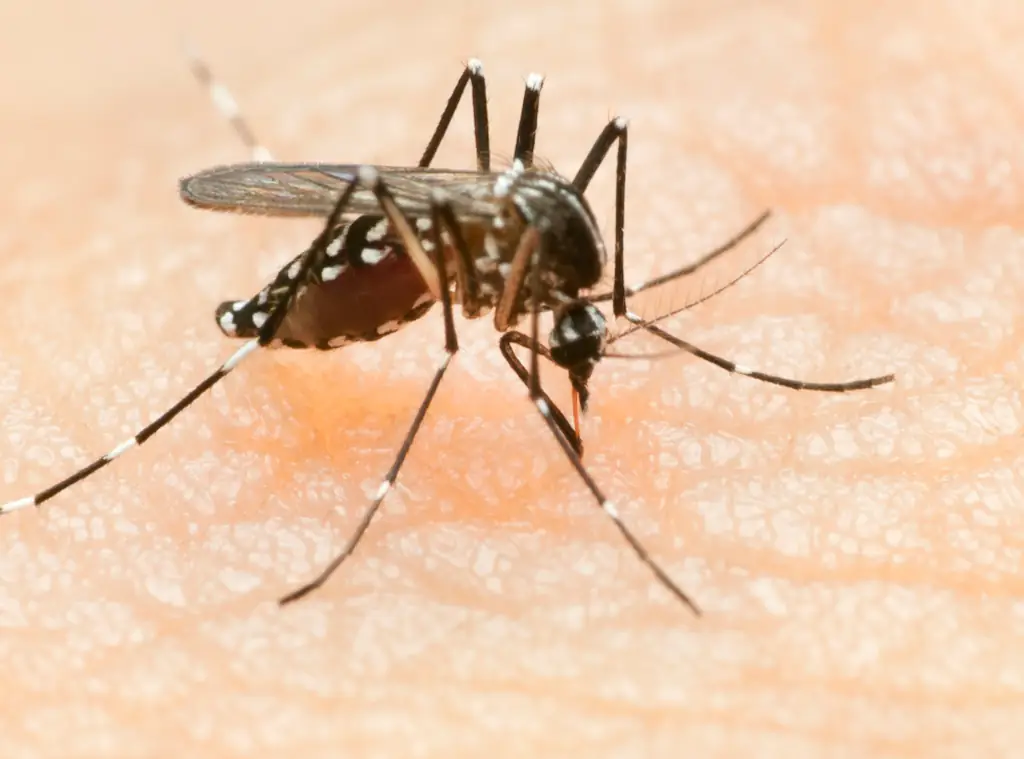
What really makes you irresistible to mosquitoes
However, CO₂ alone doesn’t give mosquitoes all the information they require to make an informed decision on who to feast upon. Even non-living things, such as cars, release carbon dioxide, and we don’t witness swarms of mosquitoes attempting to extract blood from a Renault Megane. Instead, these critters rely on secondary cues before landing on a host. One key factor is lactic acid, a chemical released through sweat and exercise that acts like a beacon to biting insects.
Mosquitoes also depend on sight and contrast. Because they fly low to avoid strong winds, they scan for shapes that stand out against the horizon. This means those wearing dark clothing are far more likely to attract them, while light-colored clothes tend to keep mosquitoes at bay. Once they get close, body heat becomes the final deciding factor. People who naturally run warmer or whose blood flows near the surface make easier targets.
According to Melissa Piliang, a dermatologist at the Cleveland Clinic, other factors, including exercise, alcohol consumption, pregnancy, and excess weight, can make you even more appealing. Although scientists have yet to ascertain whether a strawberry daiquiri or a margarita is likely to make you more susceptible to being bitten.