


Celebrity5 min(s) read
Billie Eilish's brother Finneas speaks out after native tribe responds to her 'stolen land' Grammys speech
.webp_SmgFsc?tr=cr-292.0.1244.952,f-webp,q-70,w-100)
In a time when celebrity voices often carry significant weight, the conversation around whether public figures should express political opinions continues to spark debate. This conversation reached a boiling point after a recent Op-Ed in USA Today by Ingrid Jacques, who advised celebrities to "stick to performing, stay away from politics."
The piece criticized artists like Bad Bunny and Billie Eilish for voicing political opinions, particularly in relation to U.S. immigration policies.
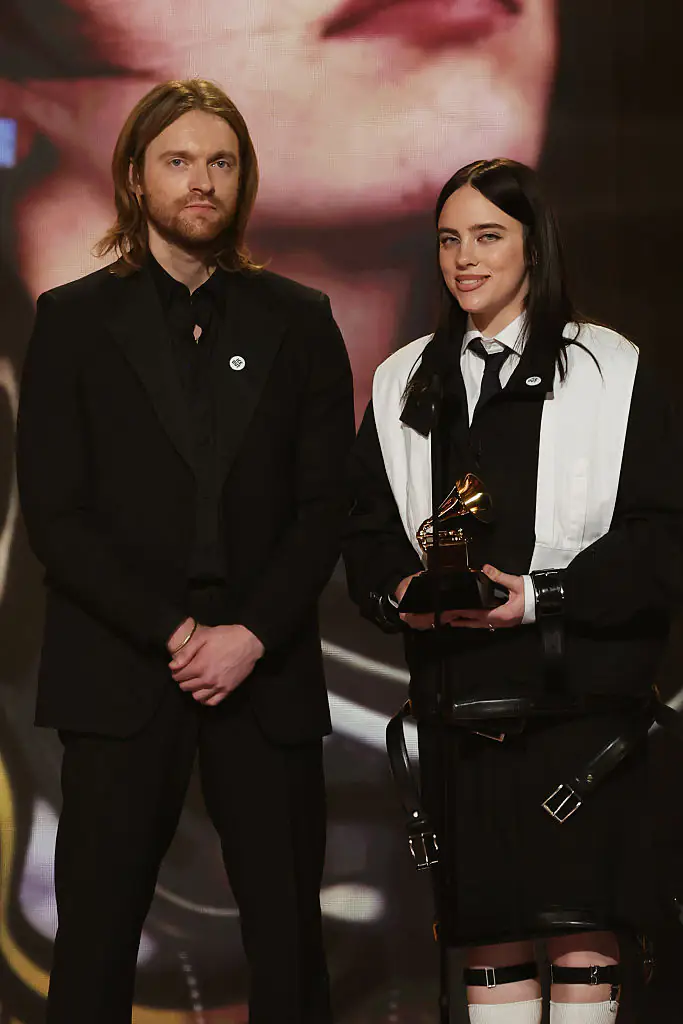
This comes as Eilish won the 'Song of the Year' award for her track 'Wildflower' at the Grammys on Sunday and used the opportunity call out the recent deadly Immigration and Customs Enforcement (ICE) raids in Minneapolis.
She said, "As grateful as I feel, I honestly don’t feel like I need to say anything but that no one is illegal on stolen land. It’s just really hard to know what to say and what to do right now, and I just feel really hopeful in this room, and I feel like we just need to keep fighting and speaking up and protesting, and our voices really do matter, and the people matter. And f**k ICE, that's all I'm gonna say. Sorry!"
Needless to say, Eilish's comments sparked backlash in right-wing circles. And the singer's brother, Oscar-winning musician Finneas, didn’t hesitate to respond.
While Jacques' Op-Ed argued that celebrities alienate their audiences when they speak out on political issues, Finneas took to Threads to counter her argument. His post read, "You just can’t do both. You can’t say it doesn’t matter what musicians or celebrities say or think but then talk about it for days. You’re out here making it matter. I’ll keep speaking up especially if it keeps bothering you."
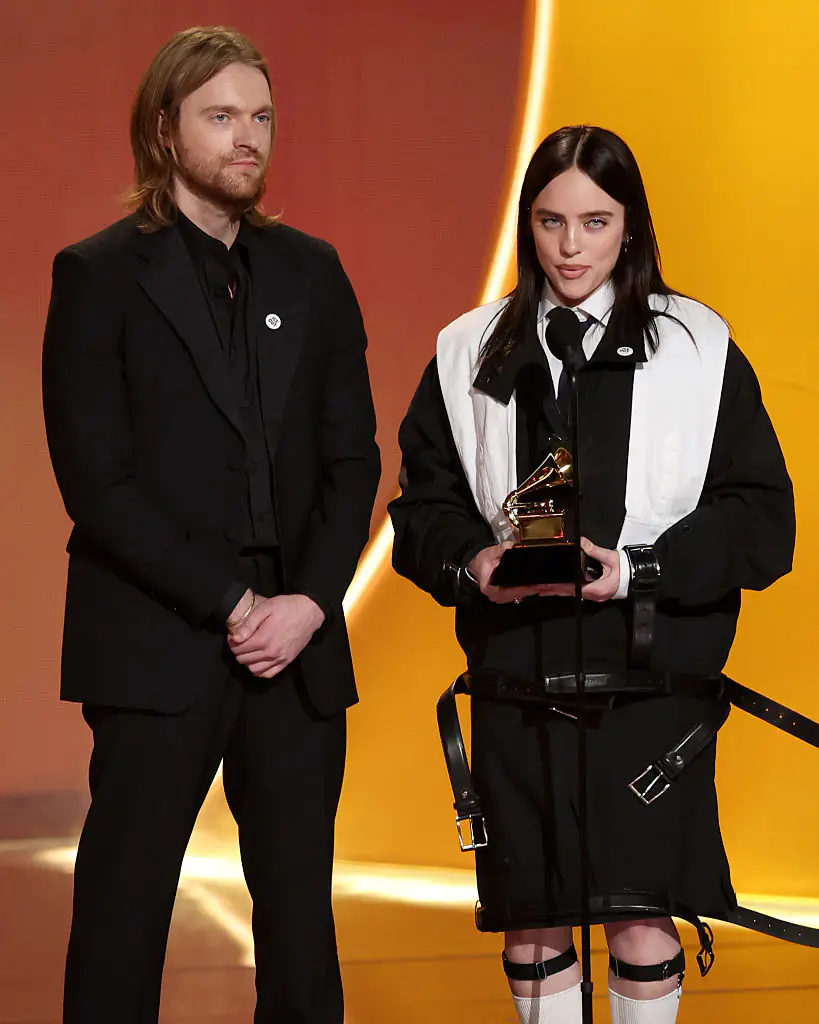
The Tongva tribe also responded to Eilish's comments about "stolen land". The tribe, who are the indigenous people of the Los Angeles Basin and the "First Angelenos," acknowledged that while they appreciated the sentiment, Eilish's home "is situated in our ancestral land".
"Eilish has not contacted our tribe directly regarding her property, we do value the instance when Public Figures provide visibility to the true history of this country," the spokesperson said.
"It is our hope that in future discussions, the tribe can explicitly be referenced to ensure the public understands that the greater Los Angeles basin remains Gabrieleno Tongva territory," they added.
The tribe revealed that they "partnered closely with the Recording Academy to author the official Land Acknowledgment statement shared during Grammy week and at the Premiere Ceremony".
"The Recording Academy has been an incredible partner to our tribe, and we look forward to continuing the relationship to ensure the voices of the First People of this land are heard and honored. Ekwa Shem- We are here!" they concluded.
Celebrity activism in the face of ICE controversy
The issue of U.S. Immigration and Customs Enforcement (ICE) policies has been a contentious subject over the past several months, especially after high-profile deaths during ICE operations sparked outrage.
Celebrities like Pedro Pascal and Olivia Rodrigo have spoken out against what they view as unjust practices, and during the 2026 Grammy Awards, artists including Bad Bunny, Kehlani, and Billie Eilish used their acceptance speeches to draw attention to the issue.
These actions have drawn both praise and criticism, with some arguing that such platforms should be reserved for music, while others believe it’s essential to address pressing social issues.
In her Op-Ed, Ingrid Jacques also expressed disdain for what she saw as celebrities’ frequent political commentary, claiming that it only serves to divide their audiences.
Finneas was supported by many online, with some commentators praising him for his intelligent and grounded perspective on the importance of speaking out. His words reflect a broader sentiment that celebrity influence can be a powerful tool for advocacy, especially when addressing systemic issues.
The backlash and the importance of using platforms for change
The response to Finneas’s stance on celebrity activism has been mixed, with many applauding his firm commitment to speaking out, while others continue to argue that artists should remain neutral.
The back-and-forth highlights the ongoing tension between free speech and the desire for neutrality in entertainment. Despite the criticism, Finneas's perspective shows that for many artists, silence on important issues can feel like complicity, and they are choosing to speak up—even if it means facing backlash from those who disagree with their views.
As more public figures continue to voice their political beliefs, the debate about the role of celebrities in political discourse is far from over. Whether you agree with their views or not, it is clear that figures like Finneas are willing to challenge the notion that celebrities should simply "perform" and avoid getting involved in larger societal discussions.