


Film & TV3 min(s) read
World's scariest horror film is so disturbingly real it prompted an FBI investigation after terrifying Charlie Sheen

There has long been conversation over what the scariest film ever made really is, and while nobody may agree, this Japanese title is up there.
Japanese splatter horror film Guinea Pig 2: Flower of Flesh and Blood was released in 1985, but over 40 years later, it is continuing to give people nightmares.
Written and directed by Hideshi Hino, the movie is best known for spooking Charlie Sheen so badly that after watching the film, he was convinced that what he saw was real and contacted the FBI.
Shortly afterward, they dropped their investigations after the special effects used in the film were demonstrated.
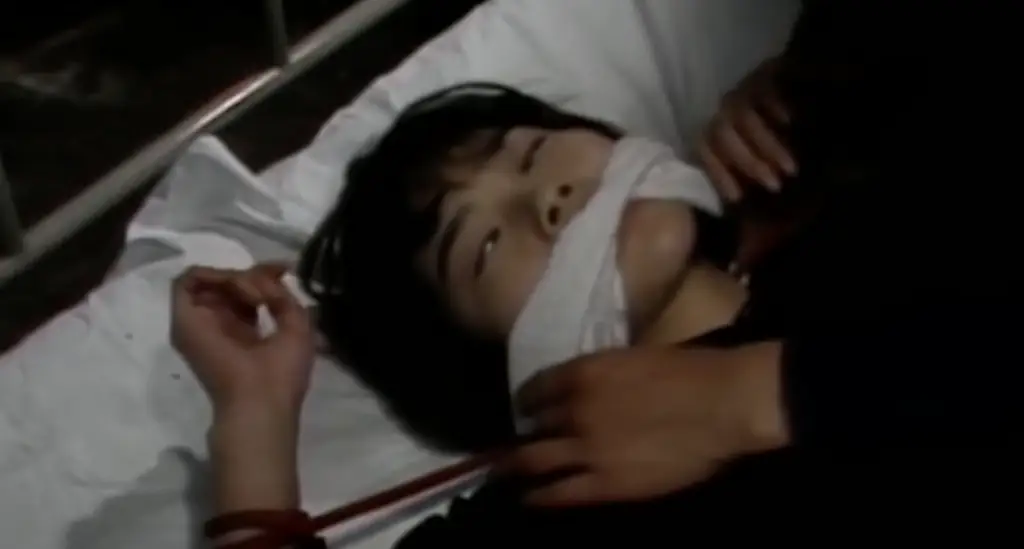
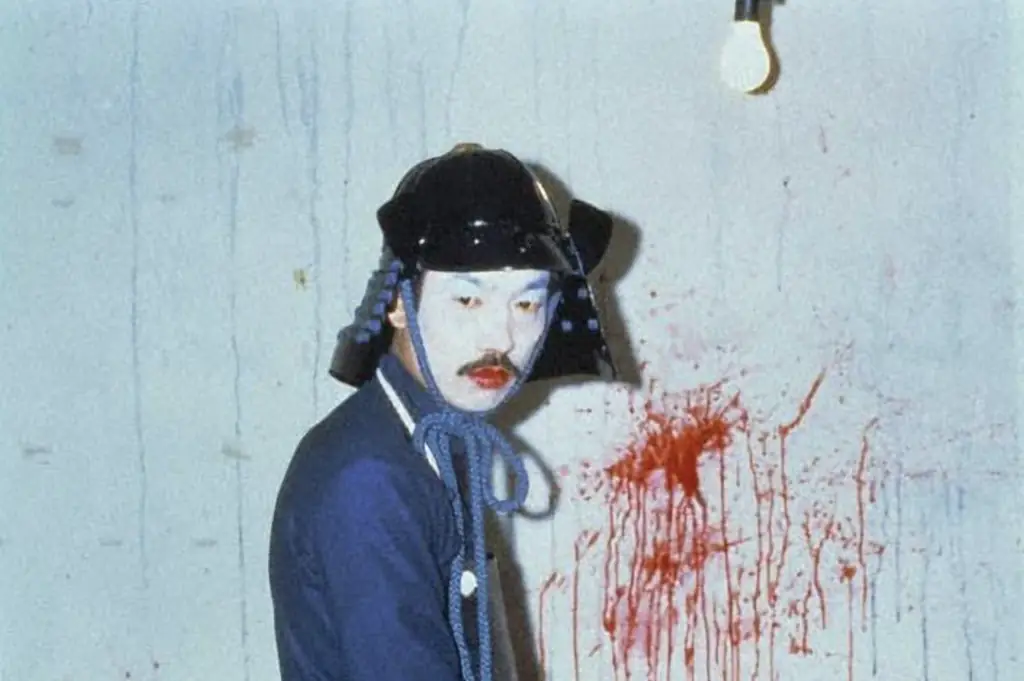
Guinea Pig 2 follows a man dressed as a samurai who drugs and kidnaps a woman before taking her to his home, where he dismembers her and adds her body parts to a collection.
The movie poster features the victim, played by Kirara Yūgao, with both of her arms cut off while strapped to a gurney.
What made the film so controversial
Film critic and content creator Chris Gore posted a video about the film, explaining that the movie features nearly no music, credits, or filmmaking elements, presenting as a genuine home video.
The woman who is abducted is subjected to extremely graphic torture, with its realism causing some viewers to think they were witnessing a real murder.
FBI agents interviewed those involved after Sheen's call, though he wasn't alone, as a Swedish lawyer also reported the film, while a man entering the UK with a copy was arrested and taken to court before being fined £600 ($800).
The film had become controversial internationally.
Many thought it was a title that belonged to the then-growing genre of 'snuff films', in which real murders and crimes were filmed and sold on tape.
The 1976 exploitation film Snuff also helped to shine a light on the genre, while 1978's Faces of Death pushed it further by combining staged scenes with genuine death footage.
Authorities had reasons to take the complaints seriously, as in the years following the film's release, there was a 'copycat killer' who took inspiration from the title and similar movies.
Japanese serial killer Tsutomu Miyazaki, known as the Otaku murderer, brutally abducted, mutilated, and murdered four young girls before sexually molesting their corpses between 1988 and 1989.
Police found nearly 6,000 videotapes in his room, featuring violent horror and snuff films, as the killer allegedly re-enacted scenes from Guinea Pig 2 in particular, when carrying out his heinous crimes.
His arrest sparked conversation over accusations that extreme and graphic films could cause real-world violence.
How the film was allowed to be made
Back in the 1980s, the VHS market in Japan gave independent filmmakers more freedom in experimenting with the boundaries of horror.
There were fewer restrictions than theatrical releases, and it meant film series like Guinea Pig could be made and sold on the rental market.
Following the release of the first film, also in 1985, many were convinced that they were watching torture in real-time, though the second film was intended as an artistic interpretation.
However, the special effects were so realistic that filmmakers would release behind-the-scenes footage to show how the effects were created.
This included wire work, different materials, and over 50 artificial body parts that were used during production.