


Lifestyle10 min(s) read
7 Costs you may not be aware of when buying your first home
.webp_vBqgAR?tr=cr-242.0.1293.1051,f-webp,q-70,w-100)
This is a sponsored article in partnership with Barclays…
We all know that saving to buy your first home is far from straightforward. In the real world, you can’t just land on Free Parking and win second prize in a beauty contest. Trust me, there’s no free parking left anywhere anymore and it’ll be a cold day in hell when I come second in any kind of beauty contest.
These days, people go through years of hard work so they can finally save enough for their first deposit and mortgage. But what if I told you that there are a bunch of other fees that people often overlook when it comes to buying your first home?
And the worst part? They all require, well, money!
But fear not. We’ve put together a list of all of these pesky forgotten costs you may be confronted with when securing your first home and advice on how you can be fully prepared to deal with them.
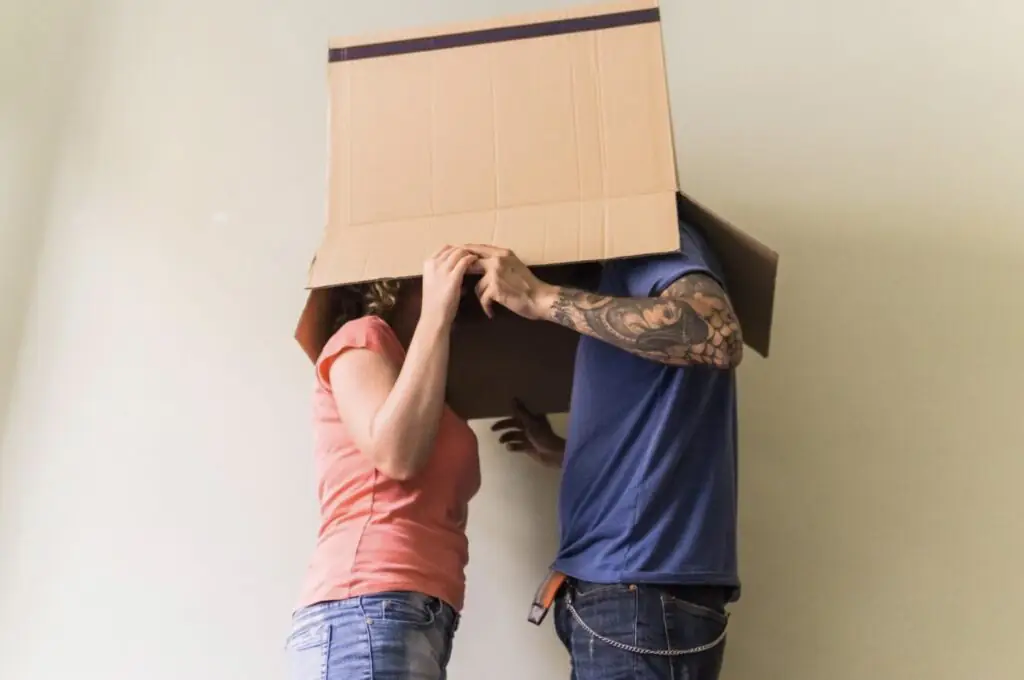
For most of us, the Stamp Duty Land Tax (SDLT) will be the second-highest expense when buying a home - and yet, some people aren’t even aware it exists or what it is. In fact, the photo above shows a couple of first-time home buyers screaming into a box after learning about stamp duty for the first time.
However, once you know all the facts, stamp duty is a lot easier to understand and prepare for.
Put simply, stamp duty is a tax you (may) have to pay whenever you buy a residential property or a piece of land in England or Northern Ireland.
And trust me, when buying a home, there are no three sexier words to hear than ‘Stamp Duty Exemption’.
SDLT is calculated in percentages, and as of this writing, first-time buyers are exempt from paying any stamp duty on properties up to £300,000.
If the property is worth between £300,001 to £500,000, first-time buyers must pay stamp duty equivalent to 5% of the amount over £300,000.
So, let’s say you’re a first-time buyer who has just bought a property for £425,000. The breakdown would look like this:
- 0% on the first £300,000 = £0
- 5% on the additional £125,000 = £6,250
The honest truth is, stamp duty is a huge amount of money that many people can fail to account for when saving to buy their first home. Just be sure to keep in mind that your SDLT has to be paid upfront prior to completing the purchase of your property.
If you’ve just felt your heart rate increase or your palms have just got sweatier, you may benefit from booking a free 45-minute consultation with the Barclays Money Mentors team. They offer incredible budgeting tips when it comes to buying a home and 99% of users say they’d recommend them to a friend or family member*.
Give it a go - you’ve got nothing to lose.

When buying a home, your mortgage broker is somebody you’ll spend more time speaking to than your own family. Essentially, they’re there to make sure you’re getting the best deal from your lender and do all the stressful legwork that can quickly become very overwhelming.
Unfortunately, unlike Cinderella’s fairy godmother, these guys come at a price - with broker fees on average ranging anywhere from around £300 to £1,000.
On the other hand, if you want to save your time and money, you could go directly to Barclays to start your mission of buying your first home.
Firstly, Barclays’ online mortgage calculator is great for seeing how much you could borrow or what your monthly repayments would look like. What’s more, it’s completely free.
Additionally, you can also apply for an Agreement in Principle (AiP) online and quickly find out if you could borrow the amount you need.
Simply input your details and in around 10 minutes, Barclays will assess your financial situation and potentially help you find a mortgage plan that’s perfectly suited to you. You don’t even have to be a Barclays customer to start an AiP, and what’s more, it won’t affect your credit score.
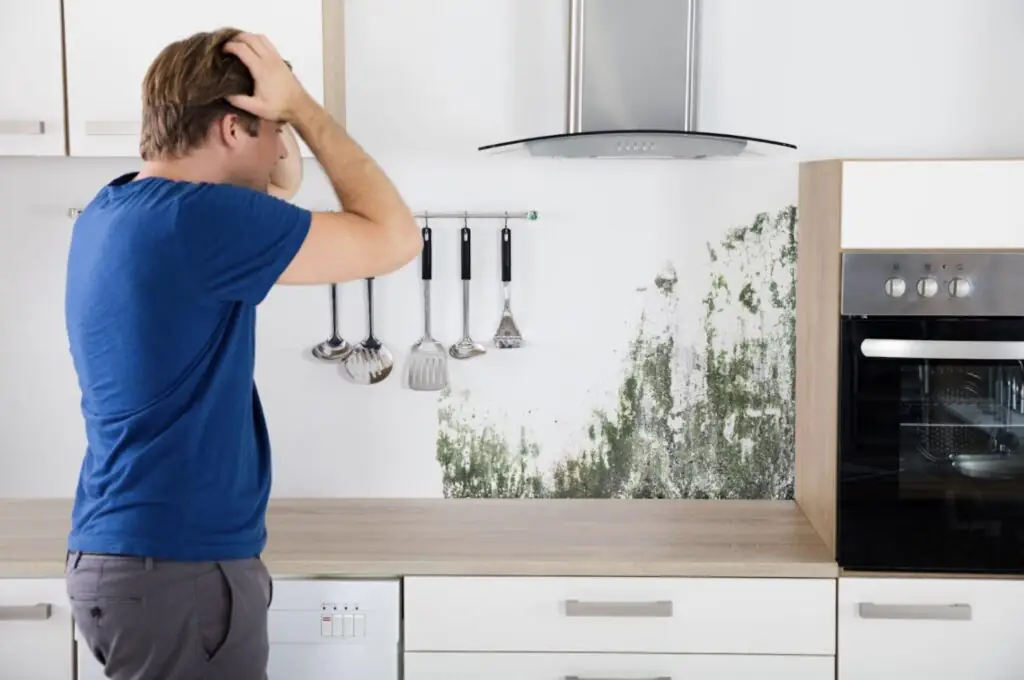
Have you ever been in a relationship with someone where everything was perfect for the first few months, and then you suddenly discover they keep their toenails in a jar and you realise you’ve made a horrible mistake and you wish you could have paid somebody beforehand to evaluate them and stop you from ever going on a date with them in the first place?
Well, in property, that’s called a survey.
Getting a survey of your future home is a way to protect yourself if there is anything wrong with the property.
This process involves a professional analysing the state of your property’s condition and construction before you’re handed the keys. They can range from around £300 to over £1,000 - depending on the provider and service.
However, from damp to black mould, properties can have all sorts of hidden issues, and if you opt against having a surveyor, fixing these problems could set you back much more than the surveying fee later down the line.
But if you’re like me and are just terrified of rejection, don’t worry. If you get a bad survey report, you can then use the information to negotiate on the property price, and hopefully get a cheaper, better deal.

Put simply, this fee is what you pay your lender for setting up your mortgage. It’s also another unexpected fee that can take many people by surprise.
These fees vary depending on your mortgage lender, but they will usually set you back an extra £1,000 to £2,000. Can I please get a collective “Ooft”?
However, if you choose Barclays as your mortgage lender, you can either pay these fees upfront or fold them into the overall mortgage cost which you’ll then pay off as you make your monthly repayments.
Now that’s my kind of fee!
If these fees are starting to take you by surprise, Barclays has calculated the average cost of moving house, including a really helpful breakdown of what to expect. If life had a cheat code, this is it!
5. Mortgage Valuation FeesAnd while we’re on the subject of mortgages and fees, here’s another one that usually flies under the radar.
So, you’ve picked your perfect first home, accepted the price that somebody has put it on the market for, and agreed to a mortgage. Seems straightforward?
But wait - because now you may have to pay somebody to come and view the property to ensure that it is actually worth what you’re intending to pay for it. It may seem like just another monetary add-on, but this step is there to protect you and the lender from paying over the odds on a property that might not be worth it.
Some lenders - including Barclays - sometimes include this valuation for free. But if you’re not that lucky, you’re going to want to put aside anywhere between £150 and £1,500.
If you’re like me and thought a mortgage was just a one-and-done thing, then it’ll probably be beneficial to check out Barclays’ guide for first-time home buyers.

If you’d once again turn your attention to the lovely stock image above, you’ll notice nobody in the photo is smiling. This is what happens when you have to hire a conveyancer to assist in the purchase of your property.
Nevertheless, a solicitor/conveyancer is crucial when it comes to buying your first home.
From preparing contracts and background checks to communicating with your mortgage lender and the legal team of the seller, a conveyancer is there to explain all the legal jargon to you and make sure everything goes through correctly.
Hiring a conveyancer can usually set you back around £1,000 to £2,000 - but this price can often exclude fees for any additional checks, verifications, and services.
A friend of mine once said that his main experience as a first-time buyer was phoning his conveyancer to make sure they were awake, and then phoning the seller to ask them to check if their conveyancer was awake, and then hoping the two were awake at the same time so that some paperwork could actually be completed.
It’s stressful and can seem like a never-ending process - but as I say, it is crucial when purchasing a new home.
Luckily, Barclays offers an easy-to-understand guide on what hiring a solicitor entails. Check out their top pointers of what’s important to keep in mind throughout this process.
7. Making Your House A HomeSo, here it is; Completion day.
You drive down to the estate agent and pick up the keys. You’re literally bursting with joy. You arrive at your house - your house! You take a photo pretending to put the key in the door that you’ll post on Instagram later. Then you walk in, look around at your new place as months of stress melt away and you suddenly realise: You don’t own a bed.
Or a sofa. Or a toaster. Or a coaster.
Yes, sometimes you can be so consumed by the mission of actually buying a home that you forget you’ve actually got to furnish it and decorate it and actually live in it.

Or perhaps you’ve moved into your first home and completely forgot to budget in the repair costs - so now you’re stuck with those ugly broken kitchen tiles or leaking roof.
Remember, getting through the front door is just the first stage of transforming a house into your very own home.
Being a homeowner takes a lot of work - and even more money. But the feeling of finally being able to say you’re on the property ladder makes it all worth it.
But if anything in this article has raised an eyebrow or has got you breathing into a paper bag, it is definitely worth checking out Barclays’ guide for first-time home buyers. Don’t let anything take you by surprise!
*Source: Barclays Money Mentors® NPS survey analysis, 15 October 2020.