


Lifestyle10 min(s) read
6 Tips for furnishing your first home on a budget
.webp_vBqgAR?tr=cr-242.0.1293.1051,f-webp,q-70,w-100)
This is a sponsored article in partnership with Barclays…
For a moment, let’s just imagine you’ve finally been able to purchase your first home and your completion day is finally here.
You’ve picked up the keys from your estate agent, listened to ‘Our House’ by Madness on repeat during the drive to your new home, got a cheeky photo by the front door for your Instagram page, walked in with tears of joy in your eyes… only to realise you haven’t got anywhere to sit and the bathroom tiles are cracked.
Correction: Your bathroom tiles are cracked.
Once those keys are in your hand, it’s all your responsibility now. You spend years saving for your deposit and splurging next year’s Deliveroo fund on legal fees, then you quickly realise that you’re going to have to open up your wallet once again if you want somewhere comfortable to sleep for the next 50+ years.
It may sound silly, but it’s a common oversight for many people looking to buy their first home. Fortunately, there are many ways you can save money when it comes to furnishing and decorating your future home, and we’ve compiled a list of the very best…
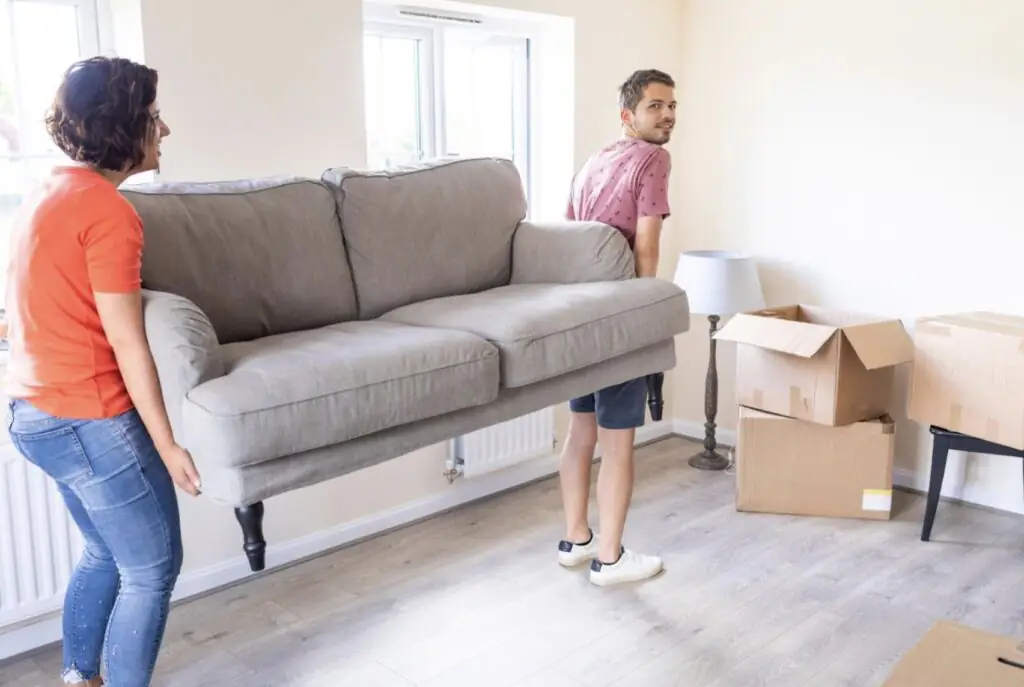
Your first home will undoubtedly be the most expensive thing you’ve ever bought. And after forking over thousands of pounds for a deposit, you probably won’t be rushing to buy brand new furniture and the latest high-tech appliances.
After losing all your savings and your smile thanks to stamp duty fees, there’s nothing wrong with saving money where you can. Also, it may sound cliché, but somebody’s trash really can be somebody else’s treasure.
You can find perfectly good items for sale on eBay, Gumtree, or Facebook Marketplace. And your local charity shops and car-boot sales have loads of gems just waiting to be discovered.
Sofas, beds, tables, chairs, toasters, rugs, mugs, and a new pair of Uggs - pretty much anything you could possibly need can be found at a fraction of the prices you’d pay for it brand new in the shops.
And it’s not just furniture that’s available - before paying over-the-odds for those new bathroom tiles, see if anybody online is selling any they had leftover from their own DIY venture.
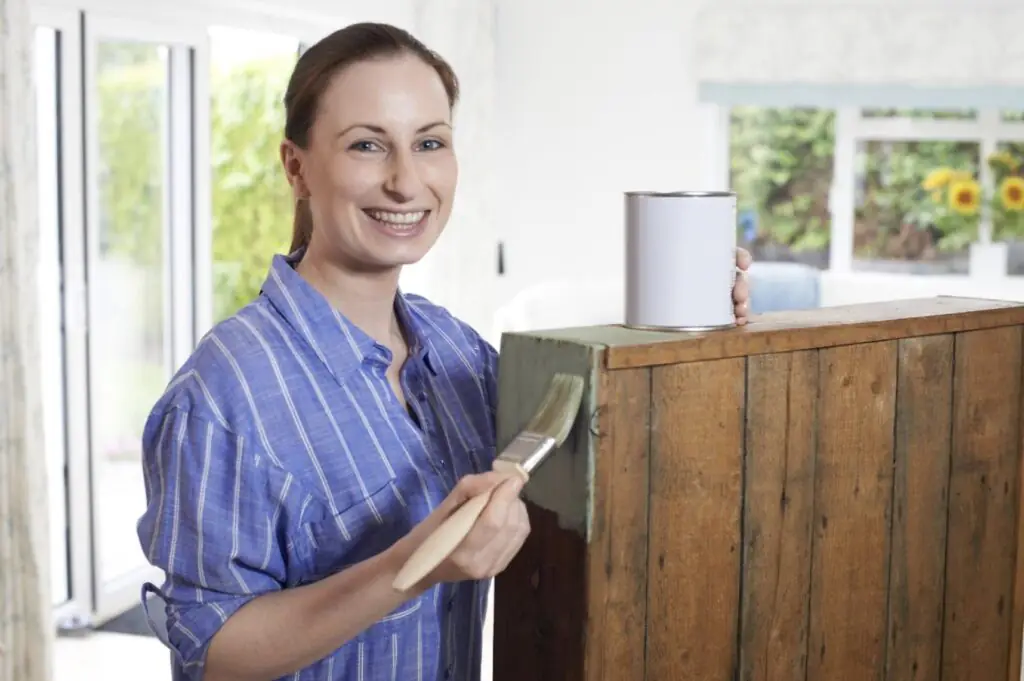
Look at that woman in the stock image above. You could be as happy as her one day - all you’ve got to do is start upcycling.
An old table hasn’t served its purpose just because the legs are wobbly and your nan’s old armchair isn’t a write-off just because your aunt spilled sherry down it four Christmases ago.
Check out some YouTube tutorials, take a trip to the local hardware store, and get to work transforming those old pieces of furniture into something that will wow your guests.
Replace the table legs and reupholster that armchair. What you’ll be left with are one-of-a-kind pieces of furniture you can be proud of - and you may even pick up a few new skills along the way that’ll come in handy down the road.
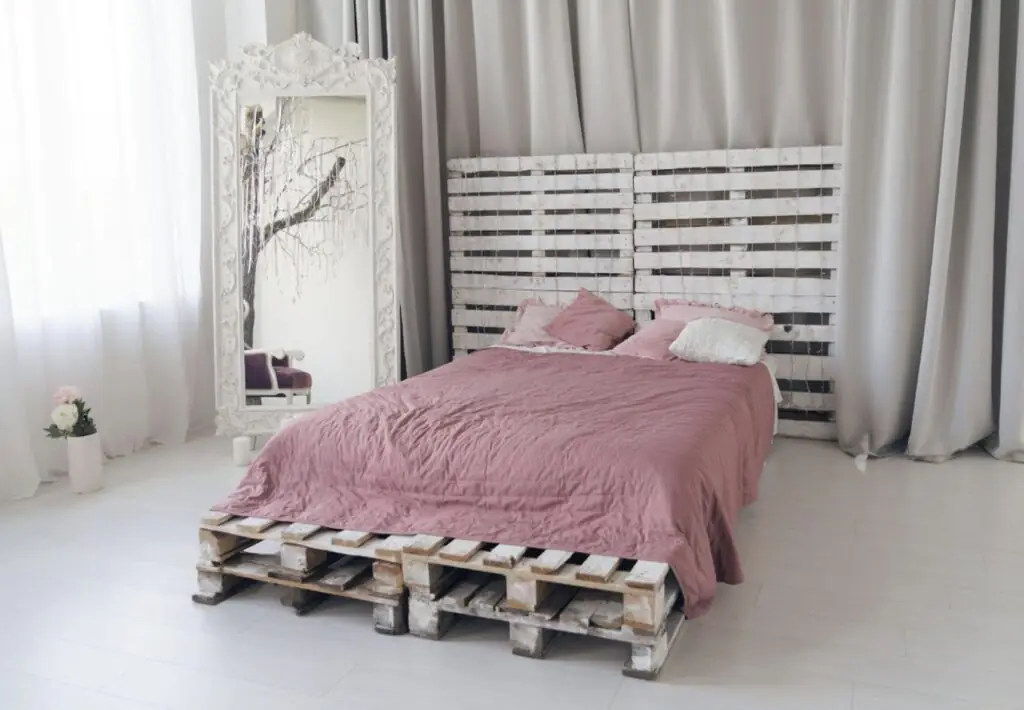
Additionally, why not try making something out of nothing? For example, the image below shows how some old wooden pallets can be reused to create a stunning minimalistic bed:
Barclays recently spoke to five experts for their best tips when it comes to upcycling - and it really is valuable advice that could save you a lot of money.
3. Plan. Plan. Plan.One of the best ways to save money is by making sure you’re fully prepared. Take the time to plan ahead and set yourself a budget. Going shopping for furniture without a plan is like going food shopping on an empty stomach.
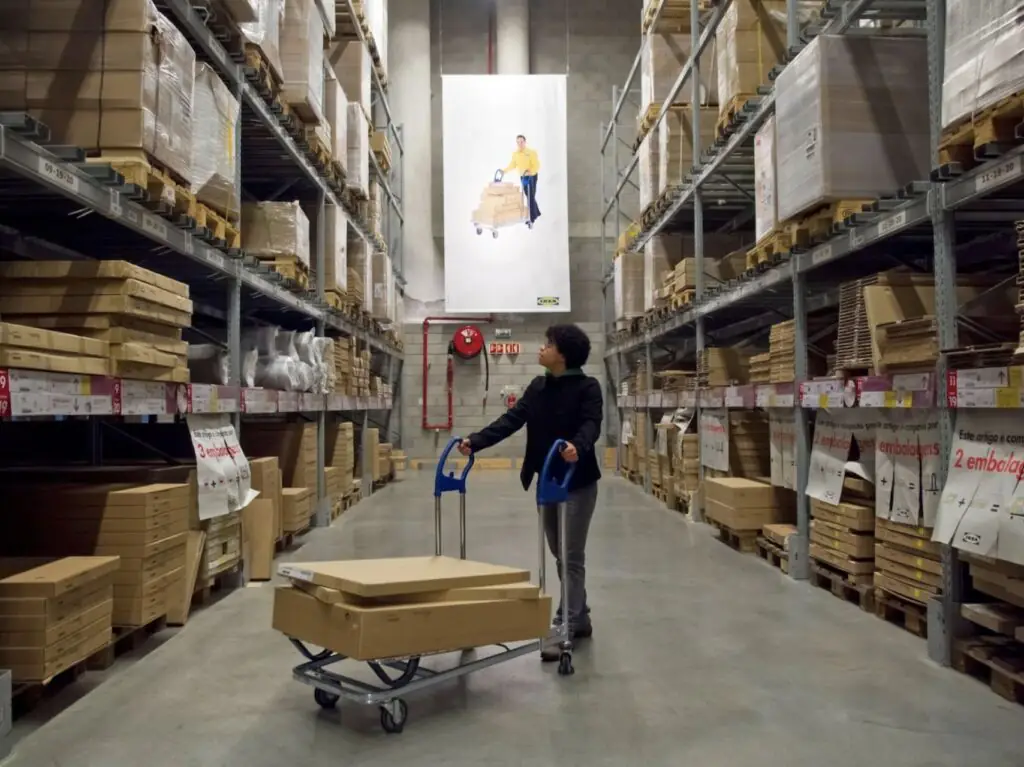
Trust me, I’ve popped into IKEA before just looking for some new curtains, only to emerge out the other end with twelve succulents, a desk that was frighteningly too big for my spare room, and four chairs that I only bought because they were also called ‘Stefan’.
Putting a budget together will help you stay on course and prevent you from making unnecessary purchases. In fact, interior designer Eris Koutsoudakis tells Barclays that his most important piece of advice is to plan well in advance and “use a spreadsheet to calculate all your costs and add a 10% contingency fund on top for any extras you might have forgotten.”
Seeing how much you have in black and white may open your eyes to some of the smaller jobs that can be put on the backburner. Alternatively, it will highlight the jobs that are just too important to skimp out or hold off on - so be prepared to open your wallet to the renovation jobs that can’t be avoided.
Additionally, planning ahead also means making sure you’ve made all the correct measurements, searched for the best deals online, and put together a checklist. These will all help make sure you’re spending your hard-earned money on the right purchases.
If you’re unsure how to put a budget together, you’ll definitely benefit from booking a free 45-minute consultation with the Barclays Money Mentors team. They offer impartial guidance and budgeting tips, with 99% of users saying they’d recommend them to a friend or family member*.
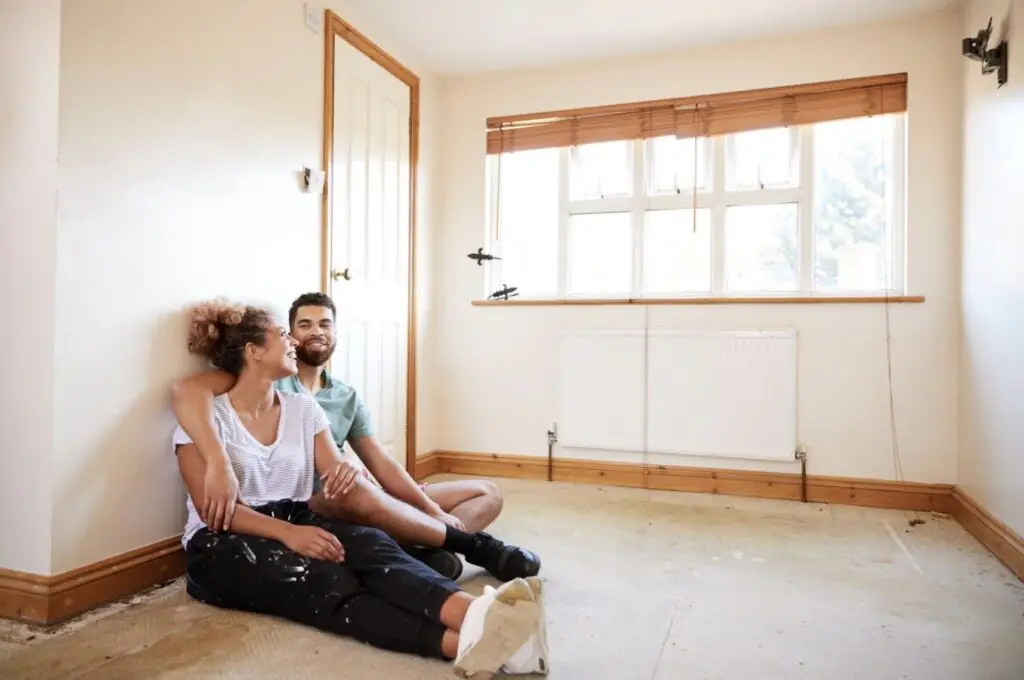
One thing you’ll also realise once you’ve got a plan in place is not only what to buy but when to buy.
If you can’t afford the big money items as soon as you move in, then don’t buy them. Instead, save up for when the time is right.
It may even benefit you to look into starting a savings account that’s right for you.
Be patient. Wait for the holiday sales to roll around and you could end up making huge savings on those essential items.
Also, after finally buying your first home, your emotions can be all over the place. So although you may think you want that one-of-a-kind and ridiculously expensive “statement piece” for your living room, a few weeks down the line you may just realise it’s horrendously tacky.
Trust me, I was convinced gold and leopard print would look soooo good in my new home and now I’m trying to flog this monstrosity on Facebook Marketplace:
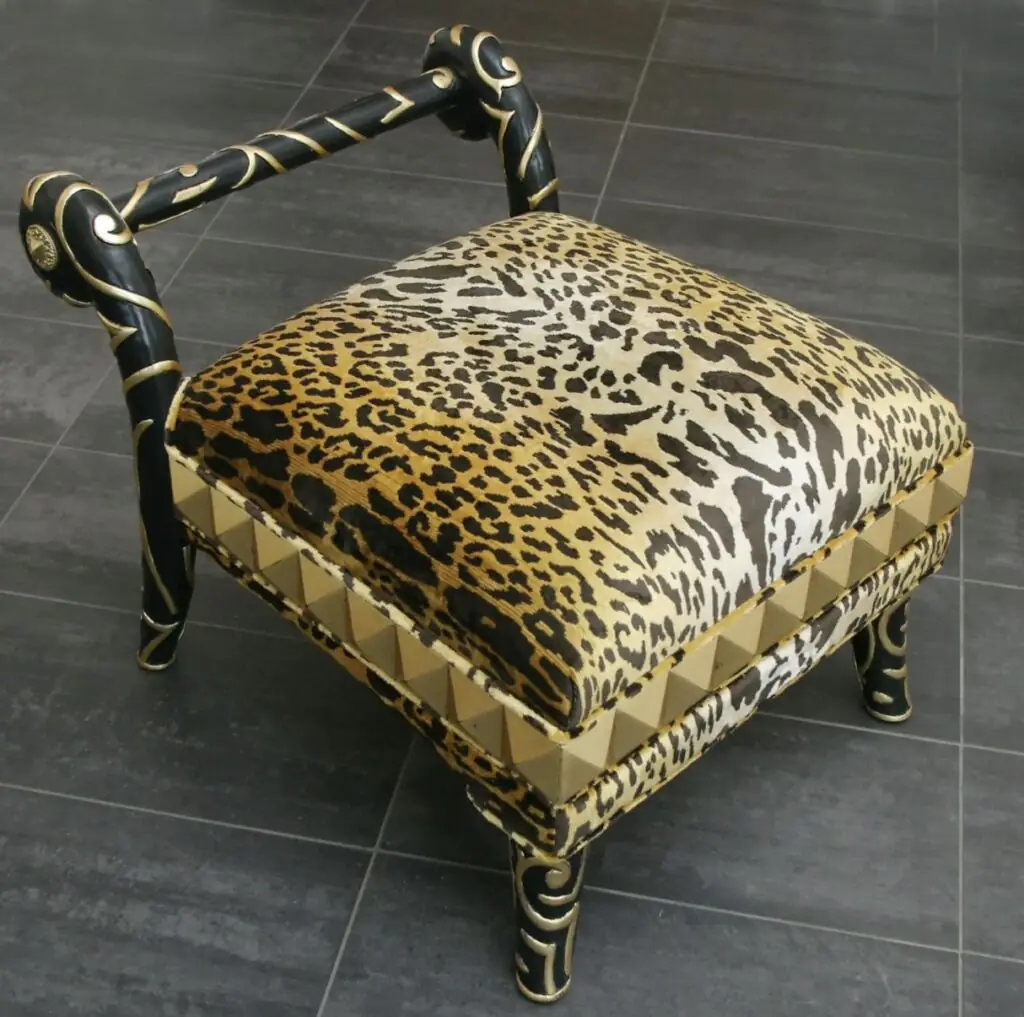
Any takers? No? Fine.
5. Ask Friends And FamilyThere’s absolutely no shame in asking for help.
In fact, interior designer Hester Van Overbeek tells Barclays that asking to look in the lofts of friends and family members is a great way to find some spare furniture pieces that were just sitting there not being used.
Sure, some of the pieces may be old - but as I mentioned earlier, with your newly acquired upcycling skills, you can transform an old unused table into a modern breakfast bar. (Just don’t make anything look too nice or they may end up asking for it back.)
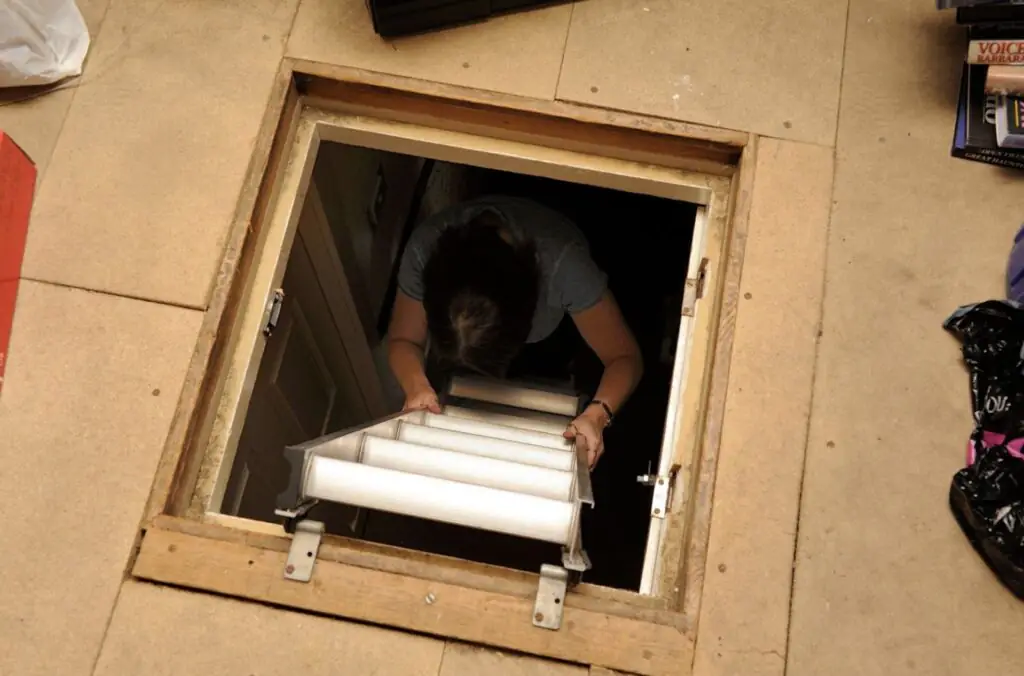
Additionally, ask if you can root around your parents’ shed to see if they’ve got anything you can use for any DIY projects. My dad’s garage looks like a B&Q warehouse and it means I don’t have to take my nan out on a Wednesday just so I can get the OAP discount.
Friends and family want to help you feel settled when buying your first place. And whether it’s an old sofa that’s just been sitting in the backroom, some barely used pots of paint, or an unwanted coffee machine just collecting dust in the attic - simply asking around could save you hundreds of pounds!
6. Needs First, Wants SecondRemember to prioritise what you need over what you want.
We all want our first homes to be just the way we always imagined them - but considering how much it costs just to get through the front door, most of us don’t have a big pile of money left over once the keys are in our hands.
You may want to splurge £400 on designer tableware to impress your guests, but you also need to make sure the door frame doesn’t collapse and hit them in the head on their way in.
Your new home has to be livable, so take care of any initial teething problems first. Quite literally, don’t wallpaper over the cracks!
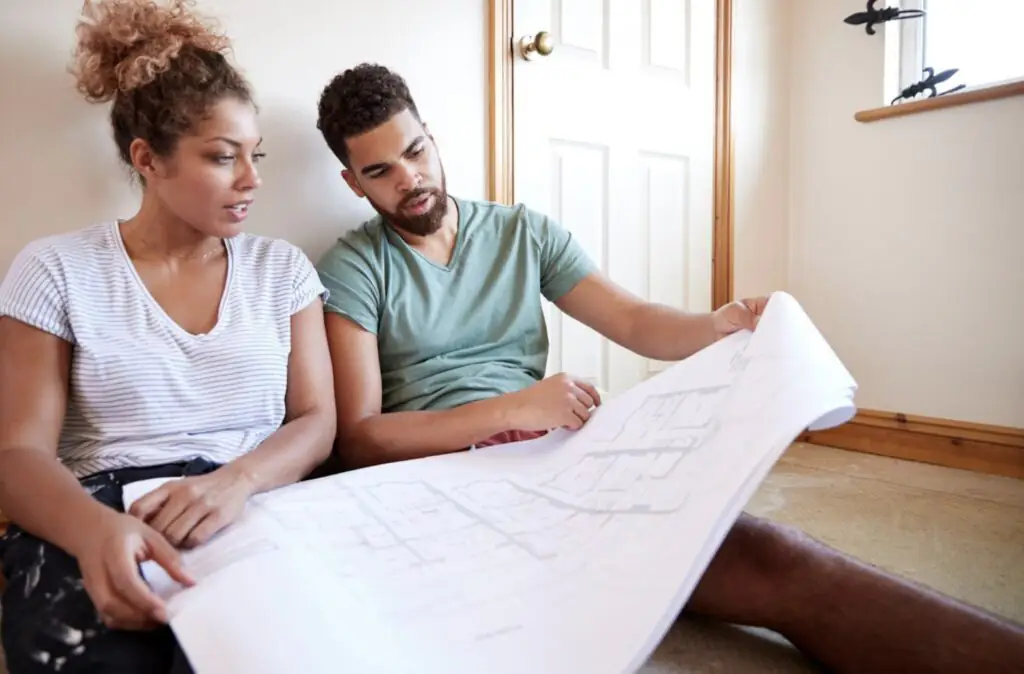
And when it comes to spending the big bucks, invest your money in the items you will use the most and that will last you a long time. Having a sturdy and comfortable sofa is more important than the scatter cushions that will go on top of it.
Additionally, Koutsoudakis tells Barclays that if you’re decorating your home on a limited budget, “it’s really worth buying that one statement piece.”
He adds: “Whether it’s a feature light or a designer sofa. These are the elements of a home that can always move with you.”

And if you’re considering taking the first steps towards buying your first home, it’s worth talking through your budget and timeline with a Barclays Money Mentor. It’s totally free, so you’ve got nothing to lose - you don’t even have to bank with Barclays to use the service.
Finally, if you’re struggling to save for that elusive first home deposit, Barclays offers a range of mortgage plans, such as Help to Buy or the Mortgage guarantee scheme, to help you finally get out of that flatshare and into your own home!
The only other solid piece of advice I can give you is this: Righty tighty, lefty loosey.
*Source: Barclays Money Mentors® NPS survey analysis, 15 October 2020.