


Health2 min(s) read
Early dementia signs as Britain’s youngest sufferer dies aged 24 and donates brain to science
.webp_SmgFsc?tr=cr-292.0.1244.952,f-webp,q-70,w-100)
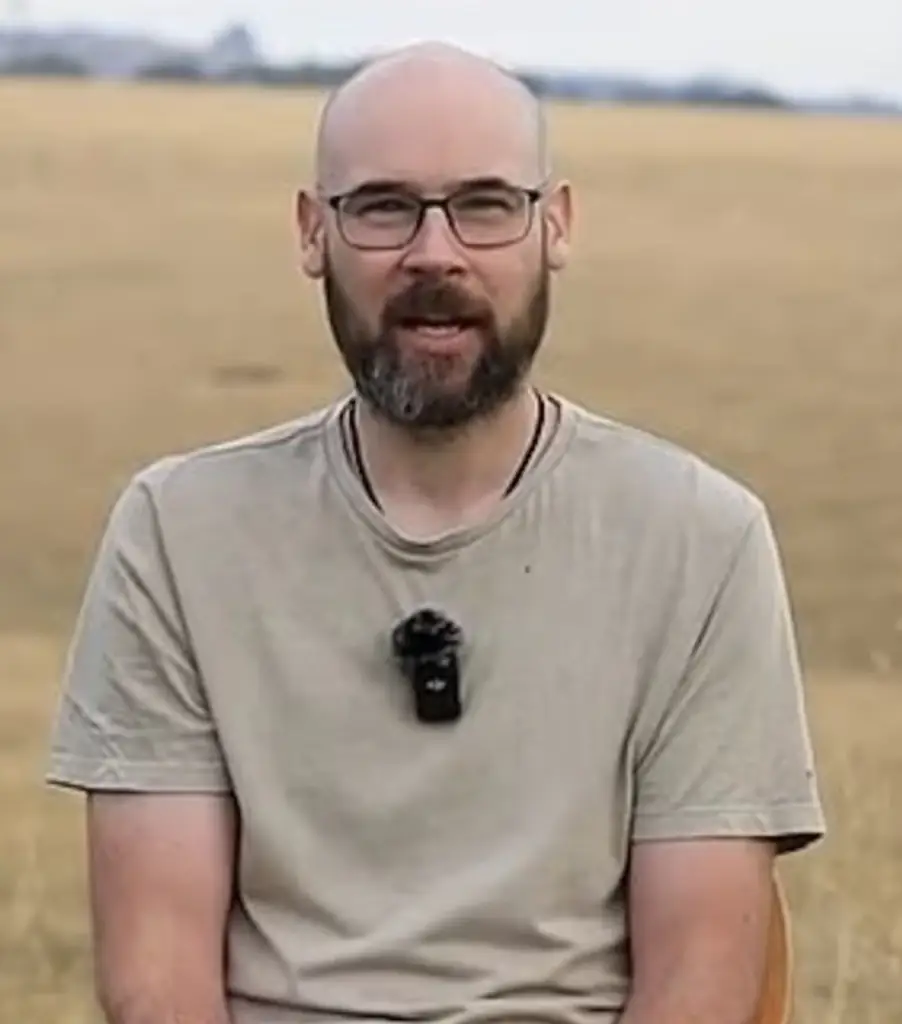
Andre Yarham, a young man from Dereham, Norfolk, became the UK's youngest dementia patient after being diagnosed with frontotemporal dementia at just 22 years old. This rare condition, caused by a protein mutation, rapidly affected his health and led to his death at 24.
His diagnosis was made even more shocking by the fact that his brain showed signs typical of a 70-year-old. As part of his legacy, Andre made the decision to donate his brain to science in an effort to aid research into this devastating disease, BBC News reports.
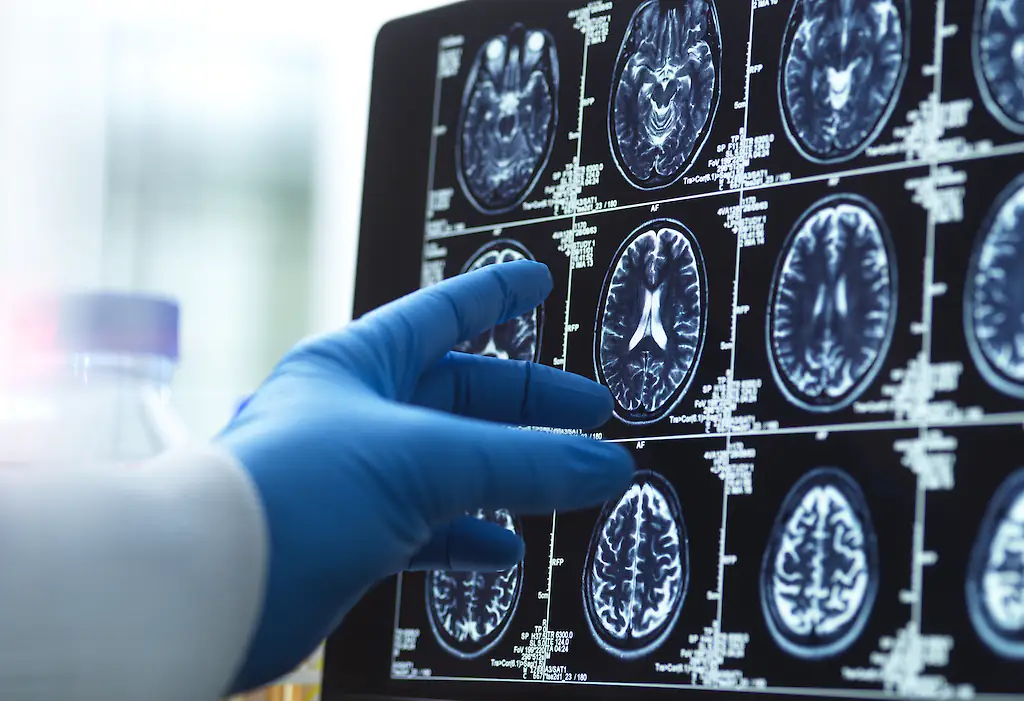
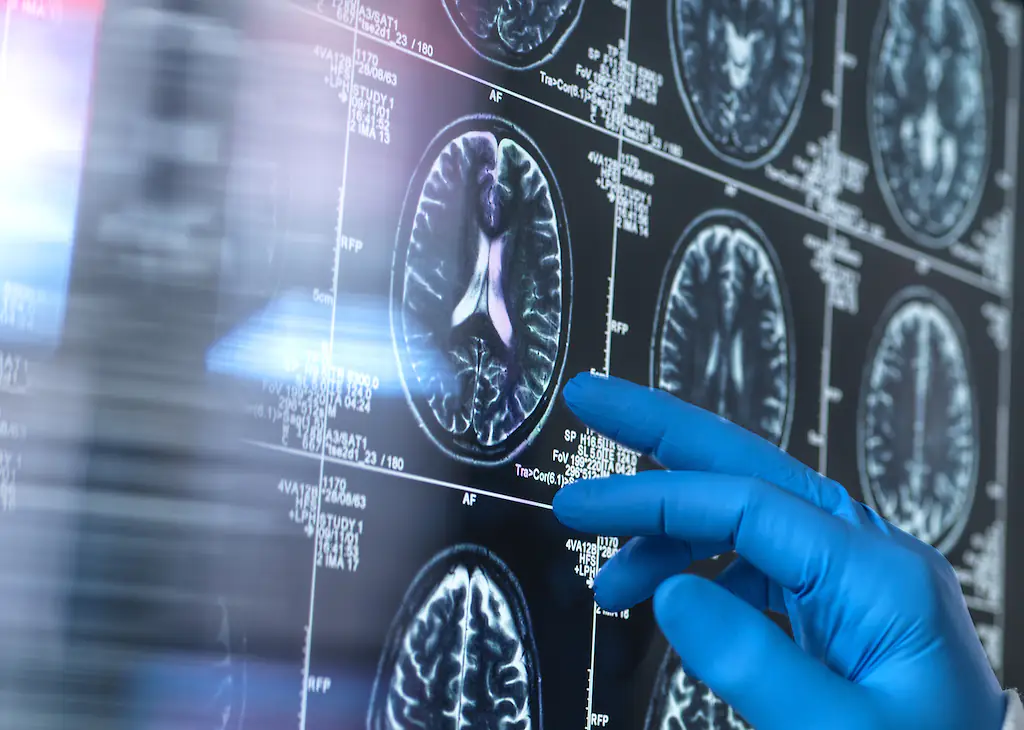
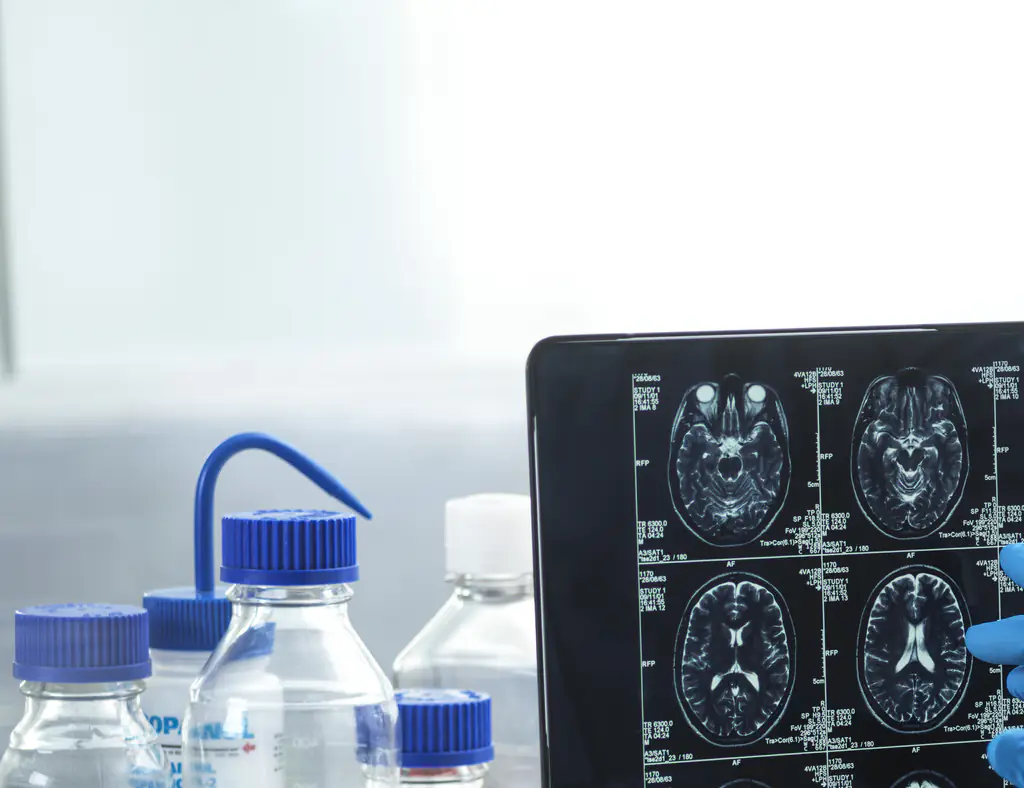
The symptoms of dementia first appeared when Andre was just 20, as his mother, Sam Fairbain, began noticing troubling signs like forgetfulness and a blank expression. By 2023, his condition had worsened, and an MRI scan confirmed that he had early-onset dementia.
Despite the rapid decline in his health, Andre remained determined to contribute to medical science, choosing to donate his brain after his passing over the Christmas period.
Understanding the early symptoms of dementia
Dementia often begins with subtle changes in memory and behavior, making it hard to detect initially. According to NHS guidelines, some of the first signs include forgetfulness, emotional changes, difficulty concentrating, and confusion about time and place.
Individuals may also experience challenges with conversations, including trouble finding the right words or following a discussion.
In Andre’s case, his mother noticed that he started to forget daily tasks, which quickly progressed to difficulties in speech. By the time of his official diagnosis, Andre was no longer able to communicate effectively, losing his ability to form coherent sentences in the months that followed.
The specific symptoms of frontotemporal dementia
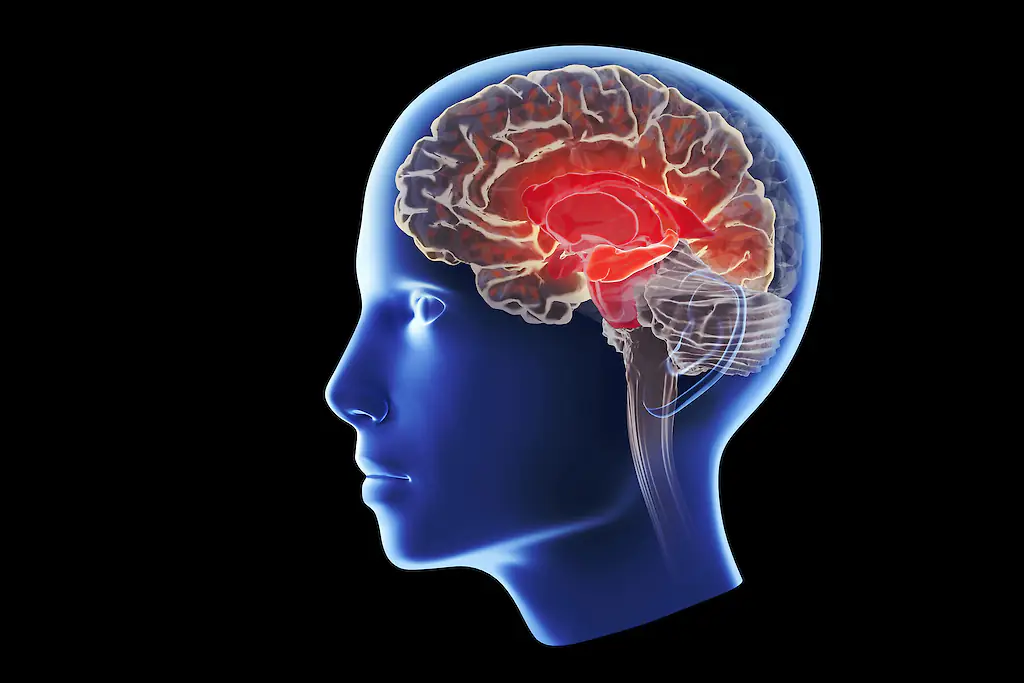
Frontotemporal dementia (FTD) is a rare form of the disease that affects personality, behavior, and language. In Andre’s situation, the progression of his symptoms included significant changes in his behavior.
FTD can cause people to act impulsively, neglect personal hygiene, and exhibit a loss of motivation. Additionally, language problems become apparent, with individuals struggling to form words, speak slowly, or use incorrect terms.
Currently, there is no cure for frontotemporal dementia, and treatments focus on managing symptoms. Brain scans and mental assessments are crucial for diagnosing FTD, as they help identify areas of the brain that are impacted by the disease.
Andre’s story is a tragic reminder of how devastating dementia can be, even in the youngest of patients. His courage in the face of such a rapid decline and his decision to donate his brain to research could pave the way for better understanding and treatment of this rare and aggressive condition.
.webp_QQJmGo?tr=cr-345.0.1535.1190,f-webp,q-70,w-100)

.webp_lli6Ty?tr=cr-74.9.445.380,f-webp,q-70,w-100)

.jpg_Prfqdr?tr=cr-0.0.1.0.67,f-webp,q-70,w-1024)


.jpg_Yiuo1l?tr=cr-0.0.1.0.67,f-webp,q-70,w-1024)


.webp_QQJmGo?tr=cr-345.0.1535.1190,f-webp,q-70,w-1024)

.webp_lli6Ty?tr=cr-74.9.445.380,f-webp,q-70,w-1024)


