


Health4 min(s) read
How to check if you have 'Ozempic poop' as gut-wrenching side effect explained
.webp_SmgFsc?tr=cr-292.0.1244.952,f-webp,q-70,w-100)
The popularity of Ozempic, a medication originally developed for managing type 2 diabetes, has surged as it has gained a reputation for helping people lose weight. However, this injectable drug has its fair share of side effects, and not all of them are pleasant.
As more people turn to GLP-1 drugs like Ozempic for weight loss, the side effects are becoming more apparent. Among the most unsettling of these side effects is what has come to be known as "Ozempic poop." It's a term coined by users who have experienced gut-wrenching issues with their bowel movements while on the medication.
For some, Ozempic's effects on digestion have caused unexpected and uncontrollable bowel movements. While some are dealing with the opposite problem - constipation -others are facing the issue of frequent, urgent trips to the bathroom, sometimes with no warning at all.
Understanding this phenomenon has led to countless discussions among users trying to make sense of the issue. So, what exactly is "Ozempic poop," and why is it happening?
What is Ozempic poo?
As the name suggests, "Ozempic poo" refers to an unpleasant side effect tied to using the medication. According to Business Insider, "Ozempic poo" is considered one of the worst side effects of GLP-1 injections like Ozempic, with users describing it as a form of diarrhea that hits unexpectedly and often. The condition is not a magical transformation - unfortunately, it's more about uncontrollable, inconvenient bowel movements that leave users scrambling for solutions.
This is not an isolated issue, as many individuals have started discussing their experiences on social media platforms like Reddit, sharing their struggles and seeking advice from others who have been through similar situations. Despite the popularity of Ozempic, its side effects, including gastrointestinal issues, have prompted some users to reconsider their use of the medication.
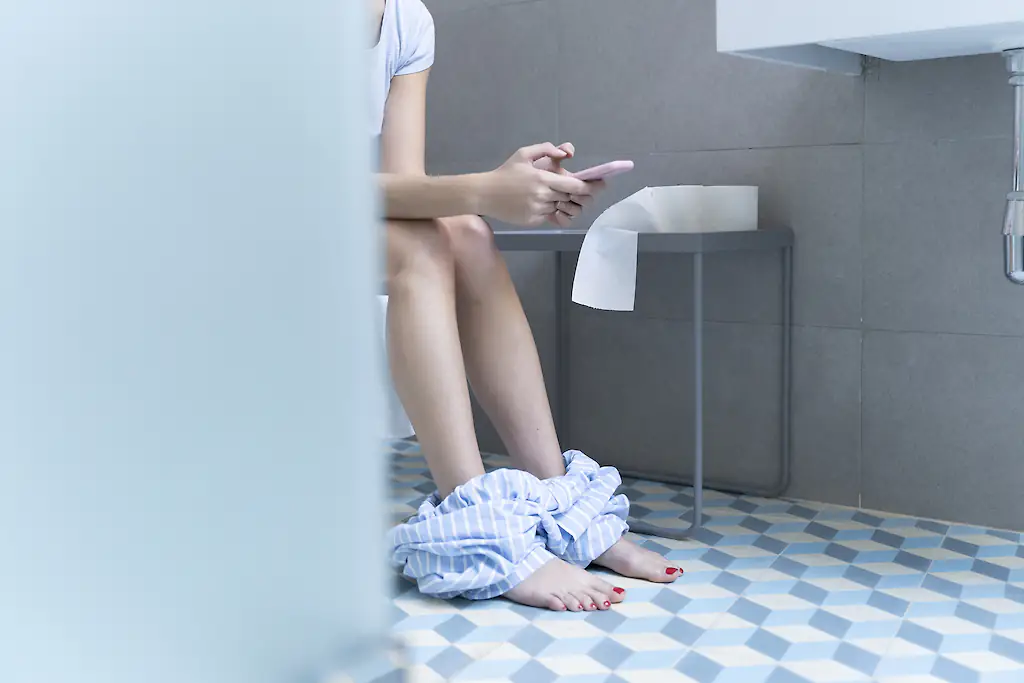
How to check if you have Ozempic poop
If you're taking Ozempic and suspect that you're experiencing "Ozempic poop," pay attention to the frequency and urgency of your bowel movements. The key signs to look out for are sudden, uncontrollable urges to go to the bathroom, especially after meals. This could be accompanied by diarrhea or a general feeling of discomfort in your stomach or intestines.
To check if the issue is indeed related to the medication, track your bowel movements and note any patterns that arise after taking your Ozempic dose. If you're noticing a consistent link between the injections and these digestive issues, it's a sign that the medication could be the culprit.
Additionally, if your bowel issues are causing significant distress or interfering with your daily life, it's a good idea to consult with your healthcare provider. They may be able to adjust your dosage or suggest ways to manage the side effects.

Users share their Ozempic poop nightmares
The rise of "Ozempic poop" has led to many users speaking out about their experiences, often with a mix of frustration and humor. One user on Reddit described their situation in a post: “Any advice for not s**tting in the bed while sleep?” This unfortunate experience of dealing with uncontrollable bowel movements even during sleep is one of the more troubling aspects of the medication for some users.
In response, others on Reddit have shared advice, with one user recommending avoiding greasy foods and eating smaller portions to prevent dehydration and further digestive distress. Some users have expressed a sense of dread, sharing their worries about side effects like hair loss and, of course, "s**tting the bed." Yet, not everyone experiences the same issues; some users report the opposite problem, struggling with constipation instead.
The science behind Ozempic poo
To better understand why this side effect occurs, Dr. Daniel Rosen, a weight loss doctor, provided an explanation on TikTok. According to Dr. Rosen, the gastrocolic reflex could play a role in causing these sudden urges to go to the bathroom.
He explains that when a person eats a large meal, the stretch in the stomach sends signals to the colon and rectum, prompting them to empty. GLP-1 medications like Ozempic can "trick your brain into thinking that food has arrived at the end of the intestines," triggering the gastrocolic reflex prematurely and leading to urgent bowel movements.
While the idea of dealing with "Ozempic poo" is unsettling, understanding the science behind it may help users manage the side effects more effectively. If you're experiencing this issue, it's essential to talk to your healthcare provider, as they may offer strategies to minimize the discomfort associated with this particular side effect.