


Health4 min(s) read
People are now getting BBLs and bigger breasts from cadavers as new procedure grows in popularity
.webp_lli6Ty?tr=cr-74.9.445.380,f-webp,q-70,w-100)
A grisly new cosmetic procedure is reportedly gaining popularity and it involves using parts from dead bodies.
Breast enlargements and BBLs (Brazilian butt lifts) have been around for many years, but a new way to perform them has started to be used within the US.
Most people assume the cosmetic augmentations are performed using implants or fat transfer from the patient's own body, but now, those that do not have enough fat available to harvest are able to get fat "off the shelf" - which has come from a cadaver.
Dr. Melissa Doft, a board-certified plastic surgeon in New York, revealed in a video on Instagram: "There's a new product on the marked called alloClea.

"Many of us in New York City are very excited about this, particularly because our patients are sometimes very thin or maybe have already had liposuction."
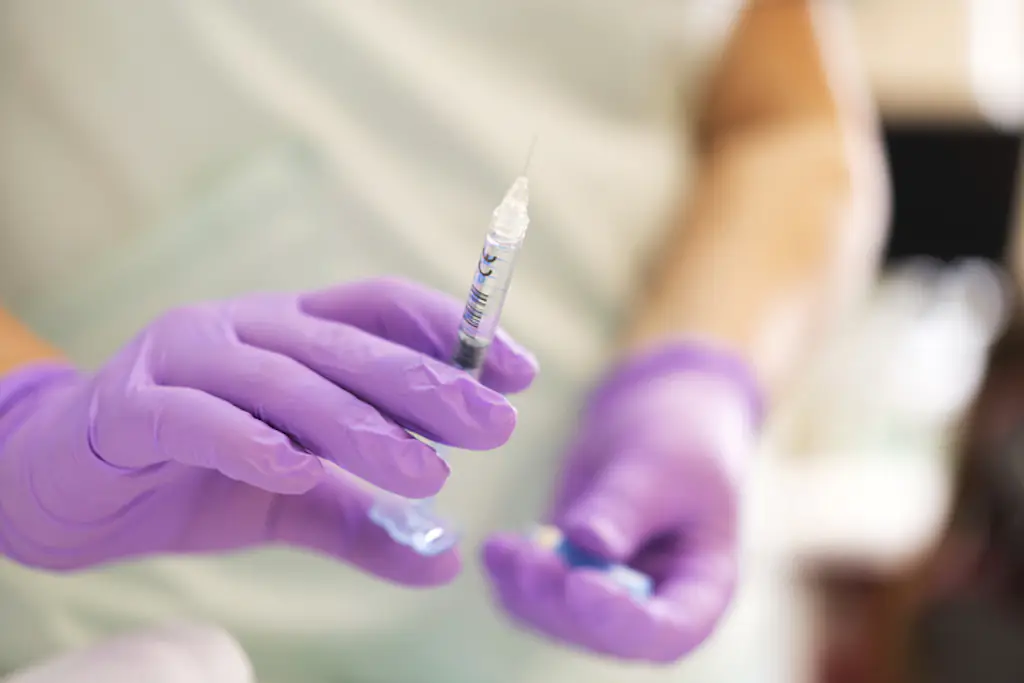
The product is made up of cadaveric fat - fat that has been harvested from a dead body - which has been cleaned of any genetic material and placed into a syringe.
These syringes can then be used to add fat to areas of another person's body where they would either like an increase in volume or to fill out any missing areas.
It can be used in any part of the body with approvals set to come soon for use in the face too.
"When it's injected into the body, the body's own fat cells sort of hug the cadaveric fat cells and about 75 to 100% of the cadaveric fat cells survive," she added.
AlloClae hit the US market last year but is not yet widely available, with Dr. Sachin M. Shridharani, who began offering the procedure at his Manhattan clinic, Luxurgery, in early 2025 as part of a small clinical trial testing the outcome for fixing "hip dips" told the New York Post: "I’d say less than probably 5% of board certified plastic surgeons have it.

"With the ones that do have it across the country, there’s tremendous amount of demand. There have been multiple times that we’ve actually run out of product," he revealed, noting that he has used the product over 50 times so far.
The sterile fat, which has been taken from donated cadavers who have consented for it to be used for aesthetic purposes, can generally be administered through minimally invasive, in-office injections by a qualified provider, without the need for the patient to undergo general anesthesia.
Caro Van Hove, president of Tiger Aesthetics, the company behind AlloClae, said in an interview with The Cut: "We ensure all our tissue is consented to for aesthetic use.
"The donor material is meticulously screened in accordance with regulated and high-quality tissue practices."
Dr. Stephen T. Greenberg, a New York plastic surgeon, explained on YouTube: "It actually helps the patient’s own collagen to grow in as well.
"It’s no different from situations where a patient needs additional cartilage but doesn’t want to undergo a rib graft … in those cases, we use cadaver cartilage grafts."
He explained: "This is great for somebody who doesn’t want to use their own fat or doesn’t have enough of their own fat in order to do a Brazilian butt lift or a buttock augmentation."
Dr. Shridharani revealed that there has been a surge in popularity of people wanting AlloClae in their buttocks, breasts, and hips at his practise, adding: "We are also getting a lot of patients coming to us that have had, unfortunately, poorly done liposuction with tons of contour regularities that need fat grafting back in because of grooves, contour irregularities over-resection."

Knowing that the fat being injected has come from a dead body can make some people squeamish, but Shridharani explained: "I think transparency is key. It’s tissue that’s been gifted in kind, and it’s no different from situations where a patient needs additional cartilage but doesn’t want to undergo a rib graft and the scarring that comes with harvesting their own tissue — in those cases, we use cadaver cartilage grafts.
"I think that pretty much alleviates most people’s concerns."
Shridharani says the treatments typically start at $10,000 but depending on how much volume and how many areas you wish to treat, the costs can go up significantly.
While it is still awaiting approval for use in the face, early evidence suggests the injections are safe and effective, as well as being highly biocompatible as they are made from processed human fat.
However, as with any procedure, it is not risk-free, as possible side-effects include temporary swelling, bruising, bleeding and pain at the injection site, as well as rarer complications such as small lumps, oil cysts, infections, and allergic reactions all possible.
.jpg_I4Ebof?tr=cr-0.338.2730.3068,f-webp,q-70,w-100)


.webp_vBqgAR?tr=cr-242.0.1293.1051,f-webp,q-70,w-100)





.webp_QQJmGo?tr=cr-345.0.1535.1190,f-webp,q-70,w-100)


.jpg_I4Ebof?tr=cr-0.338.2730.3068,f-webp,q-70,w-1024)

.webp_vBqgAR?tr=cr-242.0.1293.1051,f-webp,q-70,w-1024)


.webp_QQJmGo?tr=cr-345.0.1535.1190,f-webp,q-70,w-1024)