


Health4 min(s) read
Scientists may have cured one of the most deadly cancers in a huge medical breakthrough
.webp_lli6Ty?tr=cr-74.9.445.380,f-webp,q-70,w-100)
Spanish scientists may have made a major breakthrough in the search for a cure for one of the most deadly forms of cancer.
Pancreatic cancer is one of the deadliest forms of the disease, with the University of Utah reporting that only 8.5% of patients living for five years after their diagnosis.
According to the University, one of the main reasons it is so deadly is that it is usually diagnosed late as it does not exhibit many symptoms in its early stages, so it is often diagnosed once it has spread.
Surgery on the pancreas is also tricky as it is surrounded by several blood vessels as well as the main part of the gut, and pancreatic cancer has been notoriously resistant to treatment.
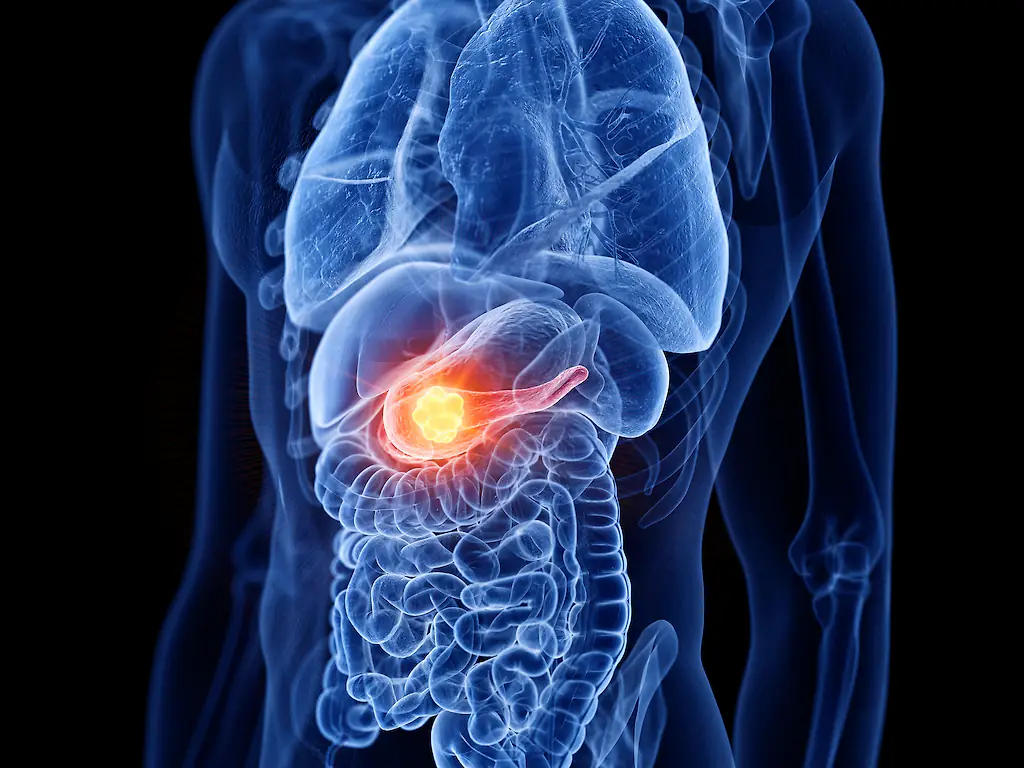
While the prognosis for pancreatic cancer is usually bleak, a Spanish research team say they have have now developed a treatment which could provide a cure.
They say it has eliminated the most aggressive form of pancreatic cancer in laboratory mice, raising hopes that it could have the same effect in humans.
The study, led by Mariano Barbacid at Spain’s Spanish National Cancer Research Centre, found that a new triple-drug therapy cleared the pancreatic tumors in the laboratory mice with no relapse after treatment.
Following six years of work, researchers reported that the mice showed minimal side-effects and no recurrence of the tumor, which is one of the most promising advancements seen in research into pancreatic cancer, as published in Proceedings of the National Academy of Sciences (PNAS).
Pancreatic cancer is notoriously difficult to treat, with single-target drugs often proving ineffective against the rapidly-adapting tumors.
Rather than targeting one pathway, the CNIO therapy combines three drugs to shut down multiple tumour survival mechanisms simultaneously.
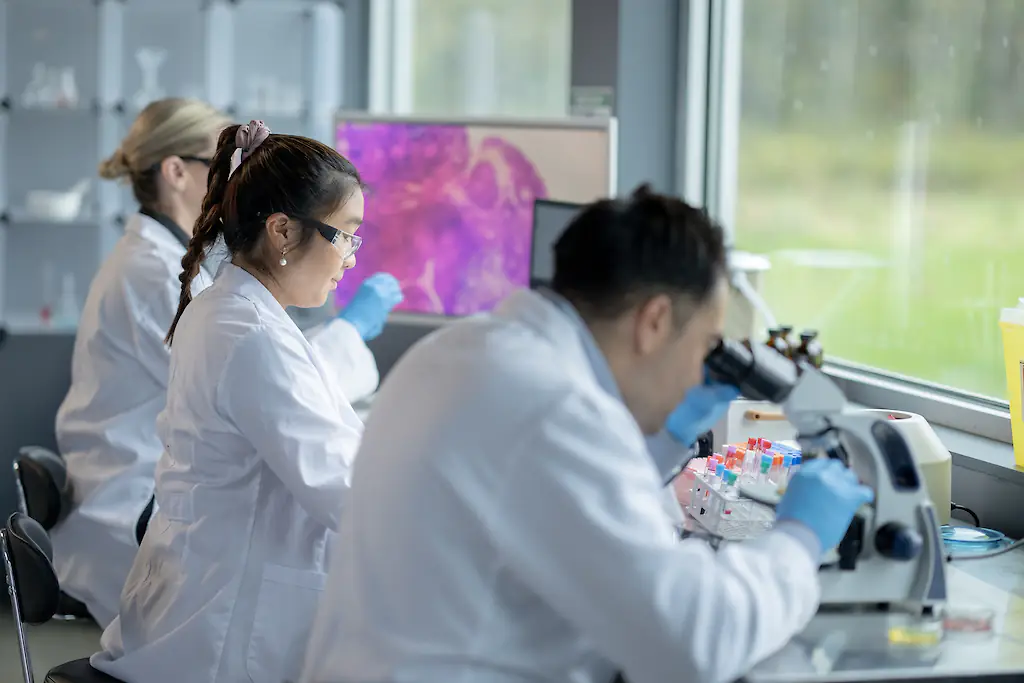
The researchers say this new protocol prevents the cancer cells from rewiring themselves, which has been a common reason why other treatments have failed.
In controlled lab tests, mice with advanced pancreatic tumors were seen to have their tumors completely eliminated by the triple-drug therapy, and no tumor regrowth was observed during an extended follow-up, which appears to show that the therapy could suppress the biological mechanisms that typically cause a relapse.
Reviewers for PNAS highlighted the positive response to the treatment as well as the unusually low toxicity observed in the treated animals, which shows promise for future human use.
Independent cancer researchers who were not part of the study also noted that the lack of relapse is also exceptionally rare in pancreatic cancer models, making this a significant breakthrough.
Mariano Barbacid, leader of this study, is one of Europe’s most influential cancer researchers, having helped to identify the first human oncogene in the early 1980s, fundamentally changing knowledge on modern cancer biology and the genetic basis of the disease.
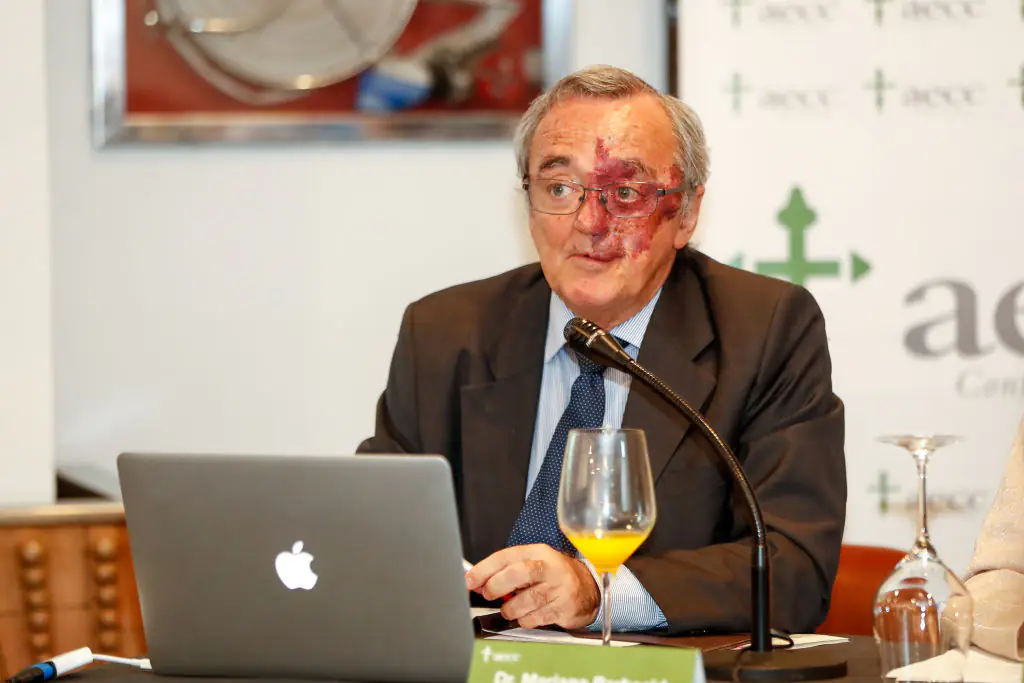
For the past four decades, he has focused on KRAS-driven tumors, which are present in around 90 percent of pancreatic cancers and are considered among the hardest to treat.
Now, the next phase in this research will involve further validation studies and safety testing, followed by early-stage human trials if funding and regulatory approval is secured.
While this breakthrough offers a beacon of hope for pancreatic cancer patients, usage in humans could still be years away, however, this research is one of the most promising indicators that the disease could one day be controlled or even cured by targeted combination therapies.