


Health3 min(s) read
Warning issued to Americans who sleep with the fan on all night
.webp_lli6Ty?tr=cr-74.9.445.380,f-webp,q-70,w-100)
Sleeping with a fan on is something most people do without a second thought when the weather heats up - but experts have issued a warning against doing so.
Trying to get to sleep during a heatwave can be a tough task - especially when temperatures get so high that you're still boiling even when you've kicked off all the sheets.
So, naturally, some people leave their fans on overnight to keep the air circulating and provide a little bit of relief.
Well, it turns out that can actually do you more harm than good, according to the experts.
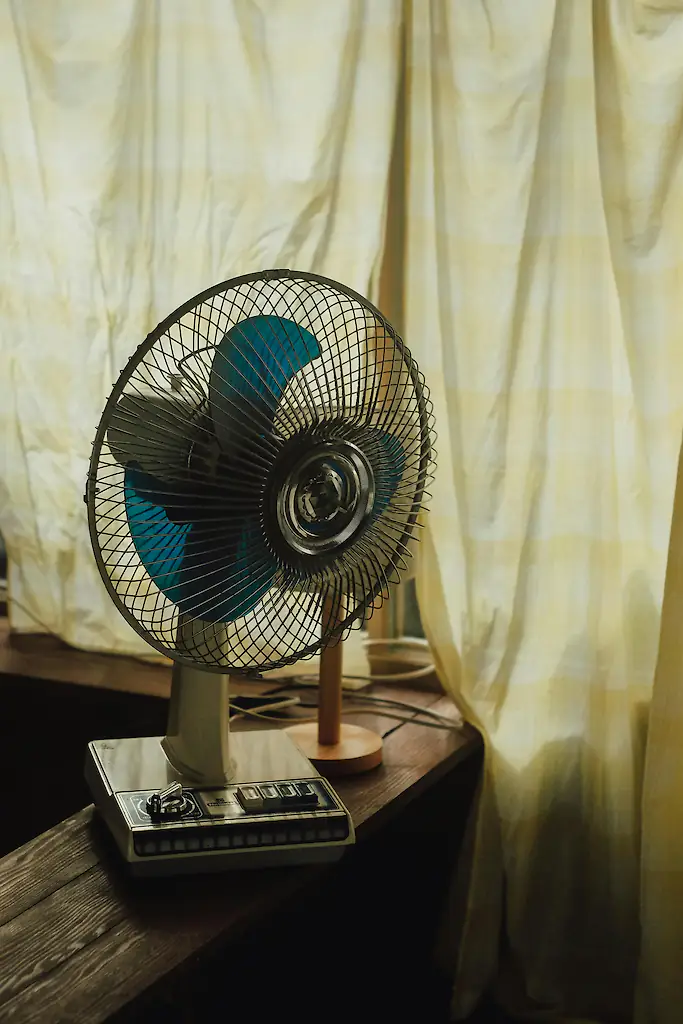
According to The Sleep Advisor, as a fan moves air around a room, it can also whip up tiny dust and pollen particles - especially if your fan has been stored away collecting dust for most of the year - which can irritate those with allergies or asthma.
As well as potentially sending dust flying, fans can also cause issues by drying out the air around you.
Dr. Kiran Dintyala told the outlet that breathing in dry air can irritate those with asthma, and can cause other side effects such as bronchitis, sinusitis, nosebleeds, and dehydration.
Dry air cam also dry out the eyes, and if you sleep with your mouth open, it can also lead to a sore throat, too.
Dr. Dintyala says some of these effects can be lessened by not having the fan blow air directly onto your face, and oscillating fans can help by moving the air around the room. Adding a humidifier to increase the moisture in the air also helps, too.
The doctor also warned: "You may experience some muscle aches if you’re exposed to cold air all night," as sleeping with cool air blowing on you can make your muscles and joints feel stiff and painful for a while.
This can be especially evident if a fan is blowing cold air on your head or face, as it can increase the likelihood of waking up with a sore neck.

However, as well as making the temperature a bit more bearable to sleep in, the white noise created by a fan can also aid sleep for some, and can even help drown out noisy neighbors or outdoor sounds.
As long as the fan isn't positioned too close to you or making you too cold in the night, the side-effects are generally not too severe for most.