Health3 min(s) read
Health3 min(s) read
health3 min(s) read
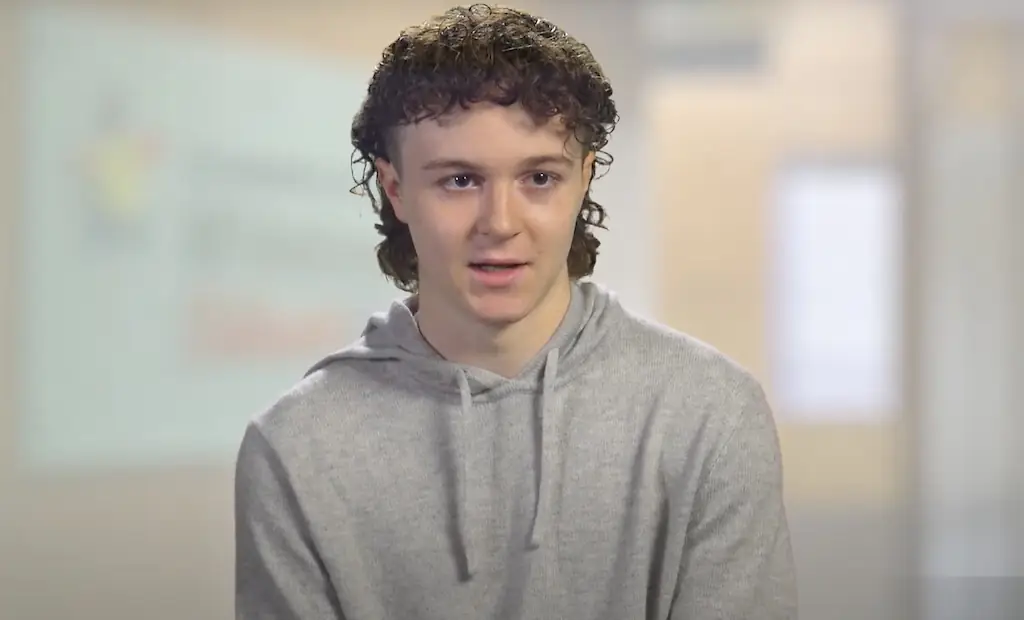
A teenager has opened up about being diagnosed with Stage three melanoma at 15 after "doctors dismissed symptoms as a sign of puberty."
Samuel Gee is reflecting on the life-altering moment that led to a shocking diagnosis: stage 3 melanoma. And it all started with a mole he’d had since childhood.
Gee told Today.com that the mole had always been there, sitting on his back.
But it wasn’t until he was 15 when a referee at one of his matches in 2020 spotted it and said he should “get it checked out” that he finally saw a dermatologist.
What followed was a biopsy - and the devastating discovery that the mole was cancerous.
“I was definitely surprised,” Gee, now 19, told the outlet. “I was in shock.”
The cancer diagnosis came with even more alarming context. Over the years, the mole had changed, something Gee hadn’t paid much attention to. He said the spot “looked like it was drying out” and “gradually [became] raised” - a red flag symptom of melanoma.
But it wasn’t the mole itself that initially had him concerned. It was swelling in his right leg that he believed was something else entirely.
“I thought it was an inguinal hernia,” he explained, referring to a condition where tissue protrudes through weak spots in the abdominal muscles.
A pediatric surgeon checked it out - but the conclusion, at the time, was far less serious.
“He was like, ‘It’s not a inguinal hernia, but likely [an] swollen lymph node,’” Gee said. “He’s like, ‘It’s just from puberty… Come back in a few weeks if it hasn’t gone away.’”
As it turns out, the swollen node was no puberty side effect. Doctors later discovered it was linked to the melanoma, which had already started spreading.
That diagnosis marked the beginning of a difficult treatment journey. Gee underwent immunotherapy, a powerful cancer treatment that he described as manageable.
“I would get fatigued a little bit. It would make me nauseous,” he said. “It was a very day-to-day thing. Some days I would feel fantastic. Some days I would feel like I needed to throw up or I was really tired.”
After initial rounds of immunotherapy, Gee went into surgery to remove both the melanoma and the affected lymph nodes.
He continued treatment post-op, and eventually got the words every cancer patient hopes to hear: he was officially declared “disease free.”
Now a college student studying engineering at Texas A&M, Gee is all about prevention.
“I’m all about the sunscreen now,” he told Today. “I hope people will start wearing their sunscreen. That’s really what I want to get across is wear sunscreen, don’t tan on purpose.”
The experience has also changed how he sees the world - and his health.
“It’s very important that we take care of ourselves, and I think a lot of young people neglect that,” he said. “I have a new perspective on life.”
health2 min(s) read
A woman with terminal melanoma has issued a stark warning to the public to ensure the same thing doesn't happen to others.
According to Buzzfeed, 27-year-old Kassidy Pierson first noticed a small mole growing on her inner at the age of just 18 - a mole that was itchy, dry, and bled intermittently.
Kassidy didn't have health insurance and was pregnant with her son at the time, and thus didn't think that the tiny spot was a big deal.
Two years later, at the age of 21, Kassidy finally got herself health insurance and decided to get the spot checked out. It was then that the doctor delivered her the fatal news: she had melanoma - a deadly form of skin cancer - and it was spreading.
Her cancer worsened to stage three; spreading to her lymph nodes, and then metastasized further into stage four, meaning that she was forced to undergo multiple surgeries, immunotherapy, and chemotherapy, among other treatments.
Sadly, after a six-year-long battle, doctors informed Kassidy that her cancer was now terminal and that she was going to be moved to a hospice to undergo palliative care.
Take a look at Kassidy's inspirational video right here:Despite the fact that she currently does not know how long she has left to live, whether the allotted span is measurable in days, weeks, months, or years, Kassidy recently uploaded a video urging other people to screen themselves to avoid her own fate.
The video, which has Kassidy showing her 217,000 followers the spot on her thigh that later lead to her illness, has clearly resonated with other TikTok users - racking up over 1.5 million views, at the time of writing.
Commenting on the motivation behind her content in a recent interview with Buzzfeed, Kassidy stated:
"I'm hoping my journey will help others and save people from making the mistake in waiting to go to the dermatologist to get their skin checked because they’ll have to pay.
"I hope they learn from me. The earlier you get checked, the better. It could save your life."
She added: "The newfound support from TikTok has been amazing. The similar stories, the kind acts of strangers gifting things, and saying the most positive and uplifting things to get me through the day, has been absolutely amazing."
health3 min(s) read
A "fit and healthy" woman is urging others to prioritize their health after being unexpectedly diagnosed with stage-four cancer.
Emma Johnson, 43, from Newcastle, UK, was left in complete shock when doctors told her in January that she had an estimated two years to live - despite feeling completely normal.
Johnson, who is a hairdresser and stepmom to two boys, first noticed a small lump in her breast in December. She had a doctor's appointment shortly after and was told that it was “more likely just going to be a funny tissue," Daily Mail reported.
"I couldn't get in for an ultrasound and a mammogram for four weeks because everywhere was busy and it was Christmas, so I didn't really worry about it," she told the outlet.
However, when she finally had an ultrasound, her worst fears were realized - the lump was suspected to be cancerous.
A biopsy confirmed that she had double-positive breast cancer, and further scans revealed likely cancerous spots on her liver.
What was initially believed to be stage-two cancer had now progressed to stage four.
The 43-year-old is now using her story to urge others to be proactive about their health.
"Everyone's getting diagnosed so much younger with this so if you feel like you've got something, you've got to push and you've got to get your results, and you've got to be on it and say, 'I'm not waiting a week or two weeks.'" she said.
'If I [had] left it or waited until the end of February for my next scan I could have been dead," she continued. "I honestly didn't think anything of it when I when I felt the lump so people just need to realise that cancer is more common now in younger people. Get the ultrasound, double check... triple check."
Johnson was initially told she would undergo surgery and chemotherapy. However, after an MRI and PET scan, her medical team informed her that surgery was no longer an option.
"They said there's no surgery, there's no chemo, and that I'll be given a hormone injection every 28 days and two pills to take a day. Oh, and they added that I've probably got about two years to live on them," she explained.
"I'm so fit and healthy, so it's weird being told I have cancer. I feel normal, I don’t feel sick at all—it’s just crazy to hear I have two years left," she added.
The hairdresser is determined to fight and has been researching alternative treatments. She connected women in Australia who have the same cancer and learned about a clinic in Cancun, Mexico, that has reportedly shown promising results.
She is now fundraising to travel there, hoping it could be the breakthrough she needs. "I don't know if this is 100 percent going to fix me, but somewhere in my gut, my heart, I just know that it's the right path," she said.
You can support Johnson's journey by donating to her fundraiser.
us3 min(s) read
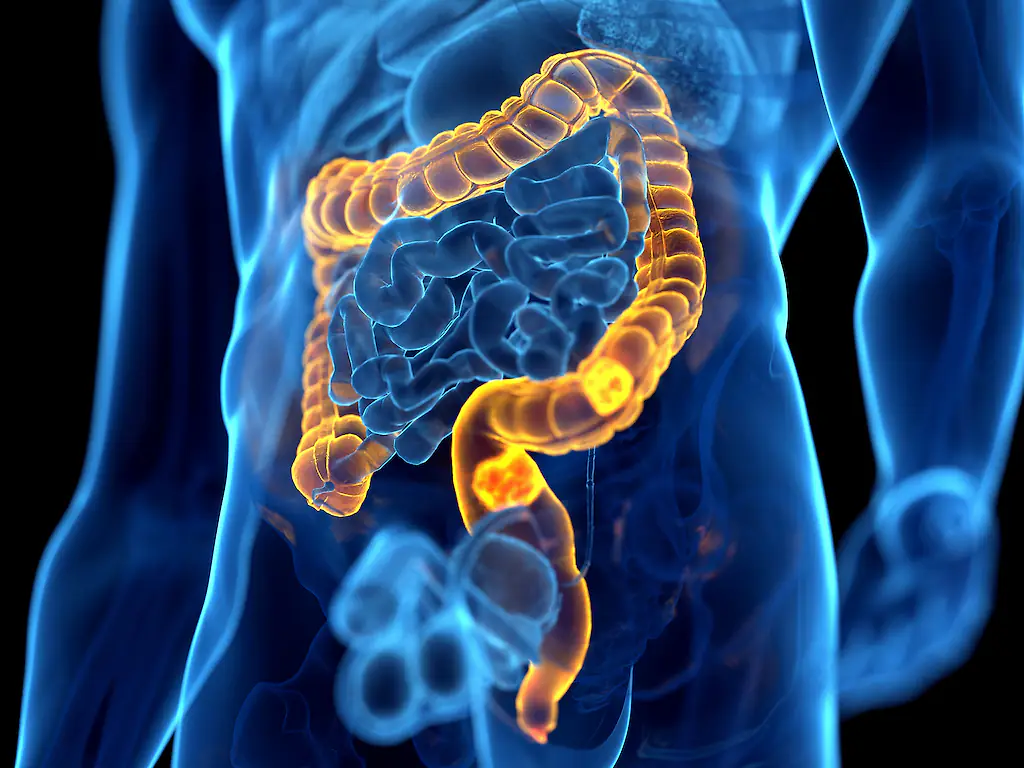
Susan Schmidt, a mother of two from Australia, is speaking out about the subtle symptoms she initially dismissed, only to later discover they were signs of stage 4 bowel cancer.
Susan, now 47, was diagnosed with the incurable illness in September 2023 at age 45, just four months after she began experiencing what she thought were minor health issues.
“The diagnosis is incurable,” she told The Daily Mail. “The goal now is to stay well for as long as I can. I’ll probably resume chemotherapy after my next overseas trip.”
A former physiotherapist, Susan is now using her experience to encourage open conversation about digestive health, especially when it comes to bowel habits, which she says are still too often considered taboo.
“I didn’t talk about my bowel habits, who does?” she said. “That’s part of the problem with bowel cancer. People don’t raise the alarm early enough.”
Despite her medical background, she said bowel cancer didn’t even cross her mind.
“I didn’t have blood in my stool or dramatic symptoms. Just fatigue, constipation, and two really intense episodes of pain.”
The first sign that something was wrong? A deep, unrelenting tiredness. In May 2023, she began feeling so fatigued that she had to pull over and nap during short drives.
“I’d drive my daughter 15 minutes to rowing, then have to stop on the way home and nap for 40 minutes,” she recalled. “That’s not normal. That was a warning sign, but I brushed it off.”
At the time, she assumed the fatigue was due to perimenopause or simply the exhaustion of a busy life.
Later, while vacationing in France for a friend’s wedding, she noticed another change: constipation, something she had never experienced before, per The Mirror.
“I just wasn’t going properly. I blamed the rich food, too much cheese, too much indulgence. I didn’t think much of it.”
But things took a serious turn when she returned home to Australia. She experienced excruciating abdominal pain, "worse than childbirth," she said, and sought medical help. Initial tests found nothing alarming.
“They weren’t looking for cancer,” Susan explained. “So I was told everything was fine.”
It wasn’t. Months later, she received the devastating diagnosis: stage 4 bowel cancer.
Now, Susan is urging others to pay attention to even minor changes in their health.
“I want people to know the signs. I want them to push for answers if something feels off,” she said. “Even if your blood work is normal, even if they say it’s stress, diet, or hormones, listen to your instincts.”
Determined to make a difference, Susan has since launched The Floozie Foundation, a charity dedicated to supporting bowel cancer patients and the nurses who care for them.
health4 min(s) read
A mother who was diagnosed with stage 3 cancer has shared the symptoms she started experiencing several years earlier that were dismissed by doctors.
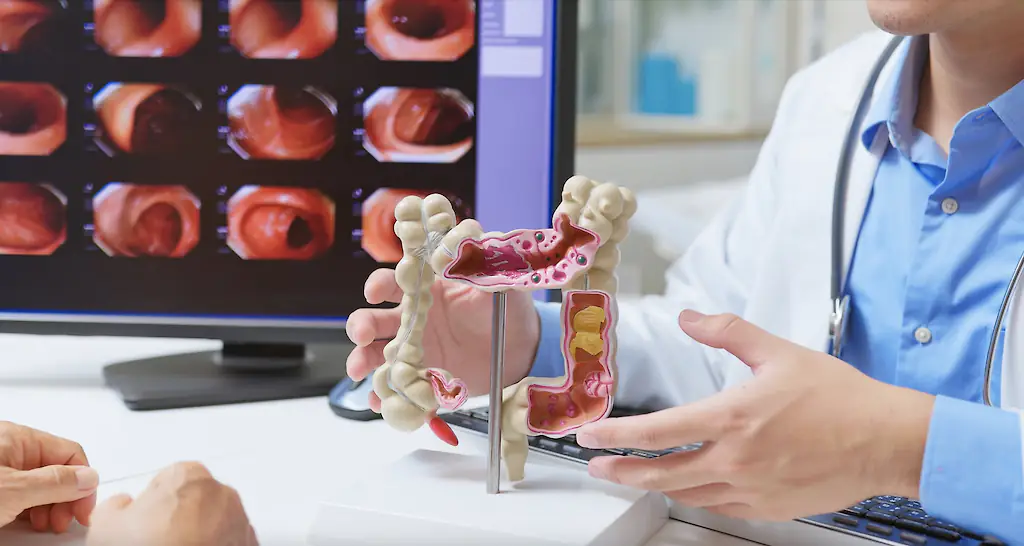
Marisa Peters, 44, from Los Angeles, opened up about the symptoms of colorectal cancer which doctors had initially chalked up to being a side-effect from childbirth.
The mom-of-three, who is a former Broadway vocalist, revealed that she first noticed bleeding when going to the bathroom after having her first son, but says doctors just put it down to changes in her body after pregnancy and birth.
She explained to Fox News Digital: "Symptoms intensified to where blood was filling the toilet … then I had increased urgency to go to the bathroom. The size, shape and texture of my stool also changed."
Marisa raised these concerns with with her primary care physician as well as other doctors but, being in her early 30s at the time, they believed she didn't fit the "typical" blueprint of a colorectal cancer (CRC) patient - though statistics show the disease has been rising in younger individuals.
She explained: "They didn’t realize the face of colorectal cancer had changed. It now looked like someone much younger.
"We’re seeing a rise in people, younger and younger, unfortunately, with late-stage diagnosis, which leads to pretty abysmal mortality rates."
Rather than taking the prospect of cancer seriously - with early detection and intervention key to a better prognosis - Marisa says she was told by her doctor that women's "bodies change when we have babies" and says her concerns were "ultimately dismissed".
Though she could "check every single box" for CRC symptoms, including being severely anemic, which she wasn't aware of at the time, it was set to take several more years before her cancer was discovered.
Over the following five years, Marisa's symptoms continued even as she had two more children.
She sought answers from a gastroenterologist as there was "always blood" in her stools, and found that this doctor was "stunned and shocked" to hear others had brushed off her symptoms for so long.
This doctor finally ran tests on her blood and stools, which came back positive for CRC, which was confirmed after an urgent colonoscopy.
Marisa was officially diagnosed with stage 3 colorectal cancer in June 2021 after a five-centimeter tumor was found at the top of her rectum, and she was given 11 months of chemotherapy and radiation, which shrunk the tumor to half its size.
She then had surgery to reconstruct her rectum and was fitted with a temporary ileostomy bag, which diverted waste away from the area for four months to allow it to heal.
Marisa then underwent another six more rounds of chemotherapy after which her ileostomy was reversed and her body was "essentially put back together".
Though her own cancer was "too far gone" for a colonoscopy to have made a difference in her diagnosis, she urged others to push for a screening if they have any concerns or are at high risk of CRC.
Following her diagnosis, Marisa's sister went for a colonoscopy despite not having any symptoms, and doctors found and removed pre-cancerous polyps. They later discovered that their parents had also both had pre-cancerous polyps removed.
Marisa founded BE SEEN, a colorectal cancer nonprofit advocating for earlier intervention and screening, to help raise awareness and encourage people to get screened to catch the disease in its early stages.
She added: "Colorectal cancer is an entirely preventable disease, even though it’s on the rise in people in their 20s, 30s and 40s for reasons we don’t know.
"I want people to be seen for their symptoms … I want them to be seen for their story. And I want them to be seen, ultimately, for their screenings, because we know they save lives.
"I lost so much time, and I’m still deeply questioning why I am here to talk about it when so many other people get a late-stage diagnosis and don’t have the complete response that I had.
"We’re losing people far too soon, and it’s just not okay. This is not something we should be settling for."
Colorectal cancer (CRC) is now the leading cause of cancer death in adults under 50 and the second leading cause of cancer death in the US, with adults under 65 making up 45% of all new cases.