Loading...
World2 min(s) read
sport2 min(s) read
sport1 min(s) read
sport3 min(s) read
uncategorised3 min(s) read
Published 22:03 05 Dec 2017 GMT
Published 12:29 03 Mar 2022 GMT
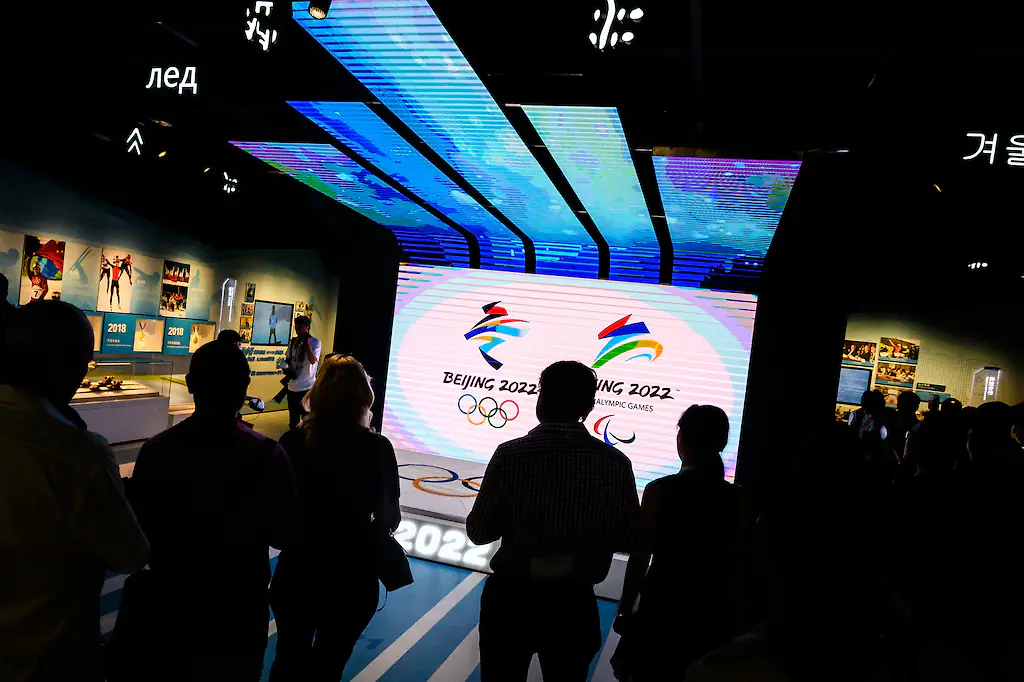
Athletes from Russia and Belarus have been banned from competing in the 2022 Winter Paralympic Games.
As reported by BBC News, the International Paralympic Committee has faced heavy criticism over their initial decision not to bar athletes from Russia and Belarus from taking part in the games, which will begin on Saturday in Beijing.
In a statement released on Thursday, IPC president Andrew Parsons announced that they had reversed their policy and that athletes from these two countries will no longer be able to compete as 'neutrals'.
Parsons expressed sympathy for the athletes, describing them as "victims of your government's actions" per BBC News.
"We are very firm believers that sport and politics should not mix," Parsons said. "However, by no fault of its own the war has now come to these Games and behind the scenes many governments are having an influence on our cherished event."
"Ensuring the safety and security of athletes is of paramount importance to us and the situation in the athlete villages is escalating and has now become untenable," he added.
Parsons went on to apologize to the 72 Russian competitors and 12 Belarusian competitors who were set to compete, saying: "To the Para-athletes from the impacted countries, we are very sorry that you are affected by the decisions your governments took last week in breaching the Olympic Truce."
"I hope and pray that we can get back to a situation when the talk and focus is fully on the power of sport to transform the lives of persons with disabilities, and the best of humanity," he concluded.
Governing bodies and political figures called out the IPC for not taking decisive action after Russia launched an aggressive military invasion of Ukraine last week.
Parsons said that there had been pressure from an "overwhelming number of members" to ban Russian and Belarusian athletes from competing.
This included the athletes of Ukraine, who released a joint statement with the Global Athlete group criticizing the committee. One Ukrainian Olympian - skeleton racer Vladyslav Heraskevych - hit out, saying: "They put Russia above the interest of other countries" and added that "anything less than a full ban is unacceptable."
If you would like to know how you can support the Ukrainian people at this time, click HERE to find a list of organizations and groups dedicated to helping those affected by this crisis.
Published 12:08 18 Apr 2022 GMT
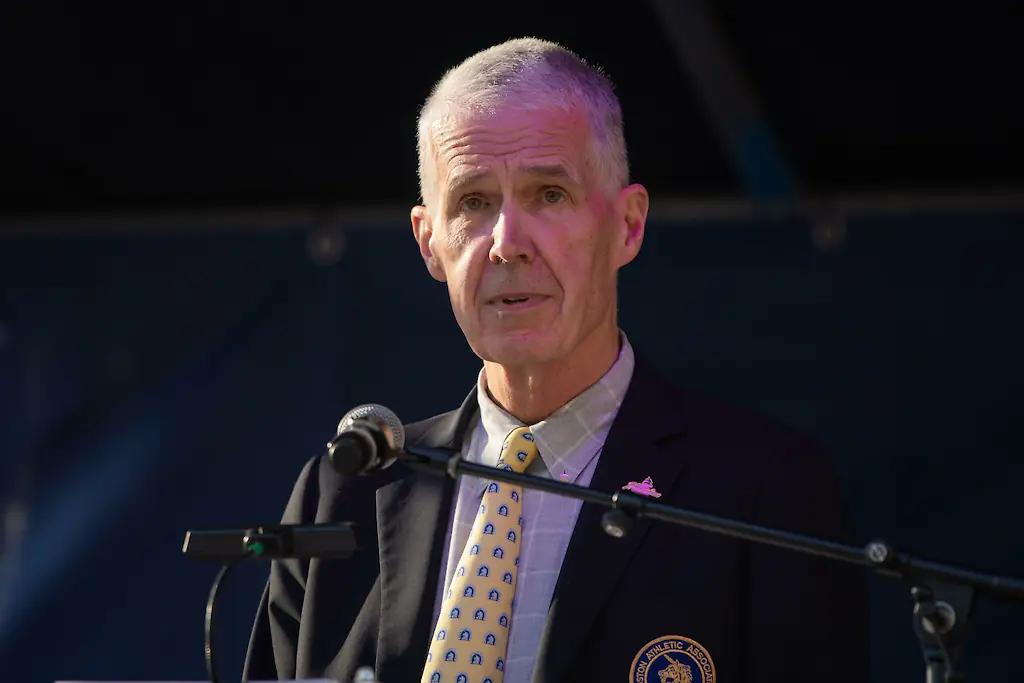
Russian and Belarusian citizens who reside in their home countries have been banned from competing in the Boston Marathon this year.
According to a report by Newsweek, racers from the countries are also no longer allowed to take part in the 5-kilometer race (which took place on April 16), two days before the 26.2-mile marathon later today.
The decision was announced by the Boston Athletic Association (BAA) on April 6 and marks yet another example of sanctions placed upon the nations since Russia launched its "special military operation" in Ukraine back in February 2022.
To this date, fighting in Ukraine has led to over a thousand civilian deaths, per the United Nations, forced millions of Ukrainian people to flee their homes, and decimated cities and infrastructure across the country.
However, not all Russian and Belarusian runners have been banned from the Boston Marathon and BAA 5K. Those who were accepted into the races as part of the open registration process but are not residents of either country will still be able to compete - just not under their nation's flags.
BAA President and CEO Tom Grilk spoke about the decision in a statement, where he said: "Like so many around the world, we are horrified and outraged by what we have seen and learned from the reporting in Ukraine."
"We believe that running is a global sport, and as such, we must do what we can to show our support to the people of Ukraine," Grilk added.
He went on to say that the BAA will make "reasonable attempts to refund Russian and Belarusian athletes no longer able to compete, "within the constraints as imposed by federal and international sanctions."
As for Ukrainian racers registered to compete in the marathon today, the BAA said that they would provide all those unable to attend with a refund or give them the option to participate in a later year.
The Boston Marathon was first run in 1897, and is, therefore, the world's oldest annual marathon event.
If you would like to know how you can support the Ukrainian people at this time, click HERE to find a list of organizations and groups dedicated to helping those affected by this crisis.
Published 11:13 09 Dec 2019 GMT
Russia has been banned from all global sporting events, including the 2020 Olympic Games and the 2022 football World Cup.
The ban has been issued by the World Anti-Doping Agency (WADA), which has imposed a four-year ban on the country from all global sporting events, as a result of persistent state-sponsored doping of its athletes.
Watch this news report about the ban below:
[[jwplayerwidget||https://content.jwplatform.com/videos/jB4Qw38l-Q0L14jDU.mp4||jB4Qw38l]]
According to a report by BBC News, the WADA made a unanimous decision after the organization's executive committee met last week in Lausanne, Switzerland.
Russia's Anti Doping Agency, which was found guilty of manipulating laboratory data earlier this year, now has 21 days to appeal against the ban by referring to the Court of Arbitration for Sport.
It was discovered that Moscow had been planting fake evidence and deleting files linked to positive doping tests which helped identify drug cheats. Sports Minister, Pavel Kolobkov, attributed the discrepancies in the laboratory data to technical issues.
Commenting on the move, WADA vice-president Linda Helleland stated: "I wanted sanctions that can not be watered down. We owe it to the clean athletes to implement the sanctions as strongly as possible."
[[twitterwidget||https://twitter.com/juliaioffe/status/1203987715840192512]]
More than 150 Russian athletes competed under a neutral flag at the 2018 Winter Olympics in Pyeongchang, after the country was banned from competing. This followed a major scandal during the 2014 Soch Olympics, where Russian athletes won 33 medals, after several members of the team were found to be using steroids.
However, Russia will be able to compete at Euro 2020 (hosted in St Petersburg) since European football's governing body UEFA is not defined as a ''major event organization'' according to the terms set by the WADA.
Published 15:19 22 Aug 2024 GMT
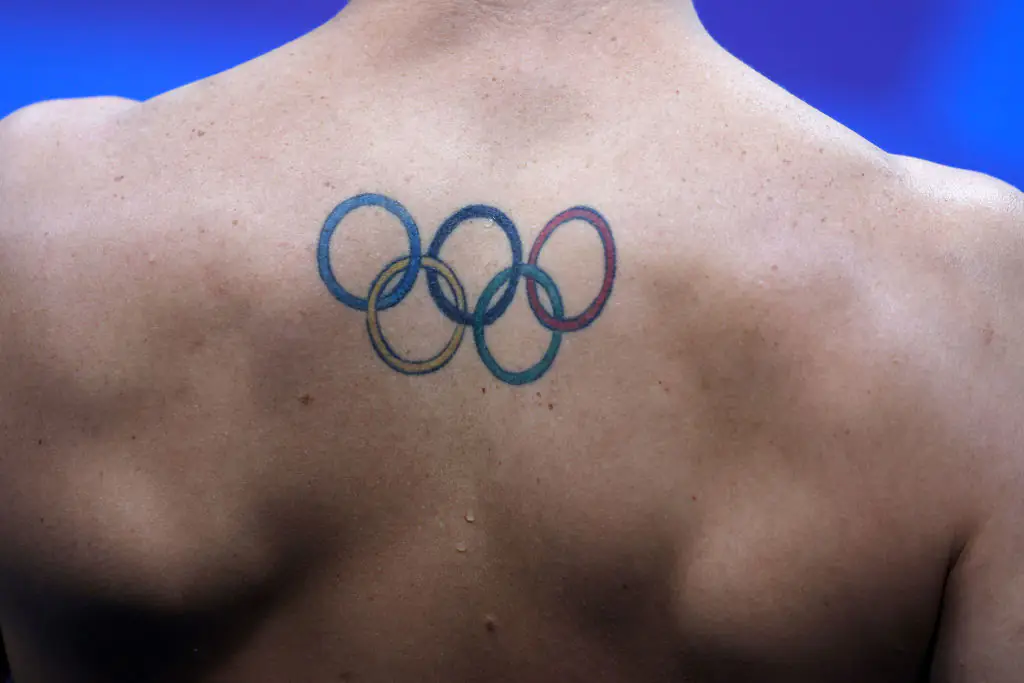
Paralympians who have the Olympic rings tattooed on themselves could find that they aren't allowed to compete due to a confusing rule.
The Olympics are now in our rearview mirror with Team USA topping the medals charts, but the summer of sport doesn't end there.
Kicking off on August 28, the Paralympics will get underway in France with the IPC saying that 4,400 athletes will take part.
Something that is often seen on athletes is the Olympic rings as a tattoo, which is completely understandable as they've earned the right to be there.
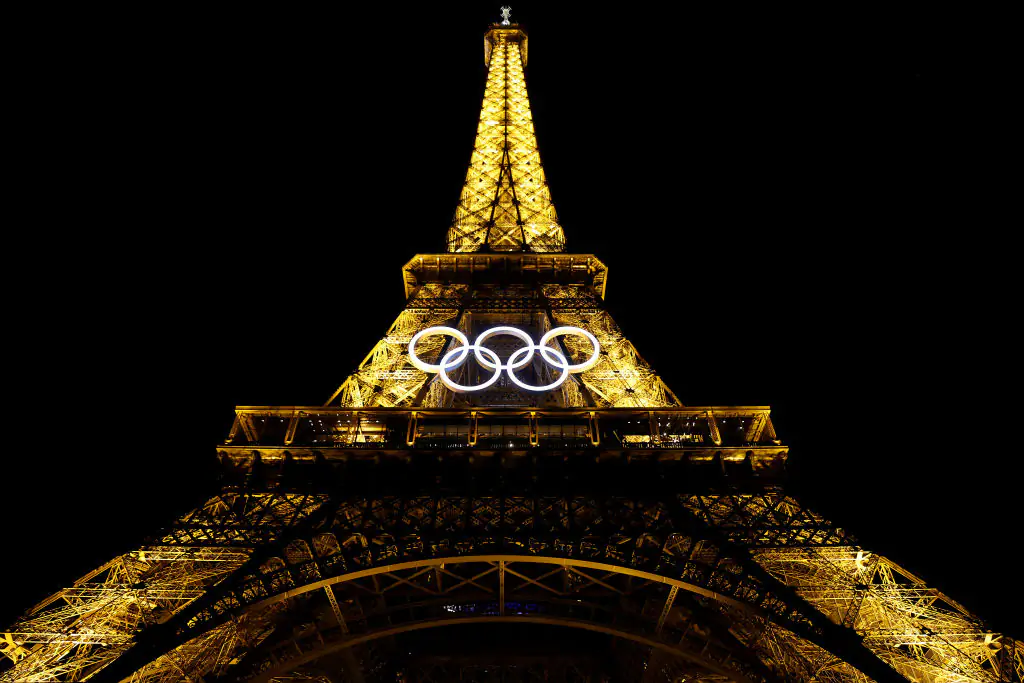
The symbol, created by Pierre de Coubertin, represents the unity of the five inhabited continents.
However, while the emblem is celebrated in the sporting world, it could pose a significant problem for athletes at the 2024 Paralympic Games.
Athletes sporting the Olympic ring tattoo could face disqualification from the Paralympics if officials spot the design on their skin during the competition - despite it not being an issue in the Olympics.
This rule, enforced by the International Paralympic Committee (IPC), falls under a regulation that prohibits "body advertising".
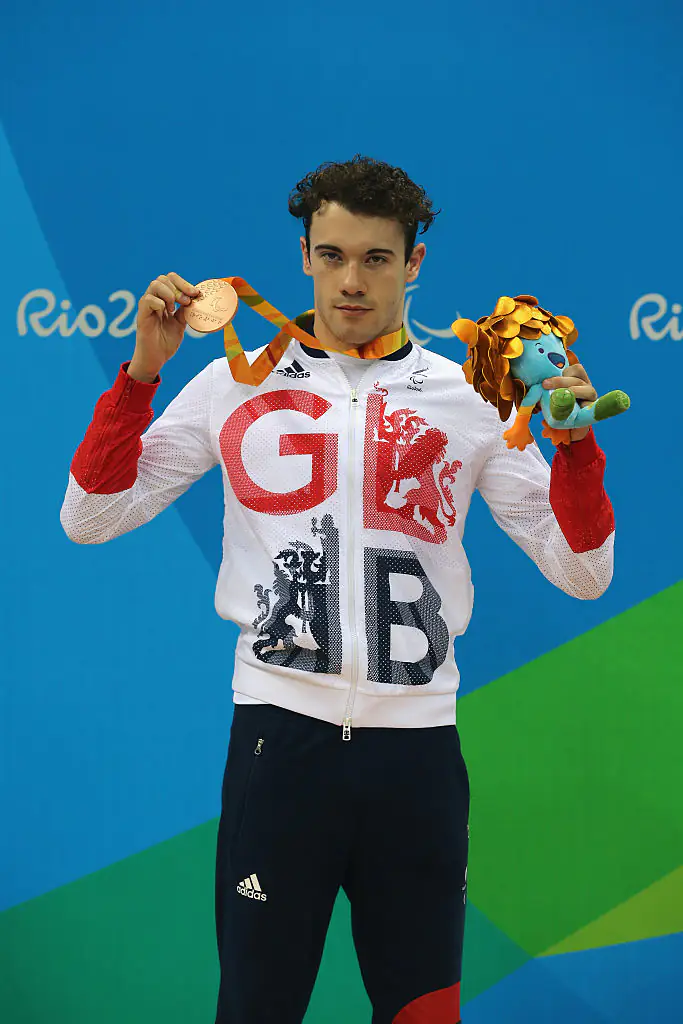
Retired British Paralympian Josef Craig learned this the hard way ahead of the 2016 Games in Rio.
Craig, a swimmer with cerebral palsy, was disqualified from the S8 100m freestyle heat at the IPC Swimming European Championships in Portugal despite winning his race, per the Daily Mail.
The reason was due to his Olympic rings tattoo, displayed prominently on the left side of his chest under a ParalympicsGB lion's head, which was visible during the competition.
"Body advertising is not allowed in any way whatsoever, and that includes the Olympic rings," an IPC spokesperson explained at the time.
"The athlete did not wear a cover and was therefore disqualified. All teams are informed of the advertising policy at a technical meeting prior to competition. It wasn’t as if they had not been reminded about the rules."
To comply with the strict regulations, Craig had previously covered his tattoo but opted for a more creative solution before competing in Rio.
He painted over the Olympic rings with a picture of the Union Jack, cleverly circumventing the rules while avoiding the impracticality of wearing a t-shirt in the pool.
The enforcement of this rule has sparked controversy, with critics arguing that it is excessively strict.
Despite the backlash, reports indicate that the IPC will uphold this regulation at the upcoming Paralympic Games in Paris.
So it seems as though any Paralympians with Olympic Ring tattoos need to find a way to cover them up.
Published 16:20 22 Aug 2024 GMT
A Paralympic athlete had spoken out after reports that his Olympic rings tattoo could see him banned from competing.
As previously reported, The Olympic rings, created by Pierre de Coubertin, symbolize the unity of the five inhabited continents.
Many athletes proudly wear this emblem as a tattoo, marking their achievements in the Olympic Games.
However, while this symbol is celebrated worldwide, it is not welcomed by the IPC.
The IPC’s rule against "body advertising" applies to the Olympic rings tattoo, which could lead to disqualification if visible during competition.
Retired British Paralympian Josef Craig experienced this firsthand when he was disqualified from the S8 100m freestyle heat at the IPC Swimming European Championships in Portugal, despite winning the race.
The reason for his disqualification was the visibility of his Olympic rings tattoo, prominently displayed on the left side of his chest under a ParalympicsGB lion's head.
"Body advertising is not allowed in any way whatsoever, and that includes the Olympic rings," an IPC spokesperson explained at the time.
"The athlete did not wear a cover and was therefore disqualified. All teams are informed of the advertising policy at a technical meeting prior to competition. It wasn’t as if they had not been reminded about the rules."
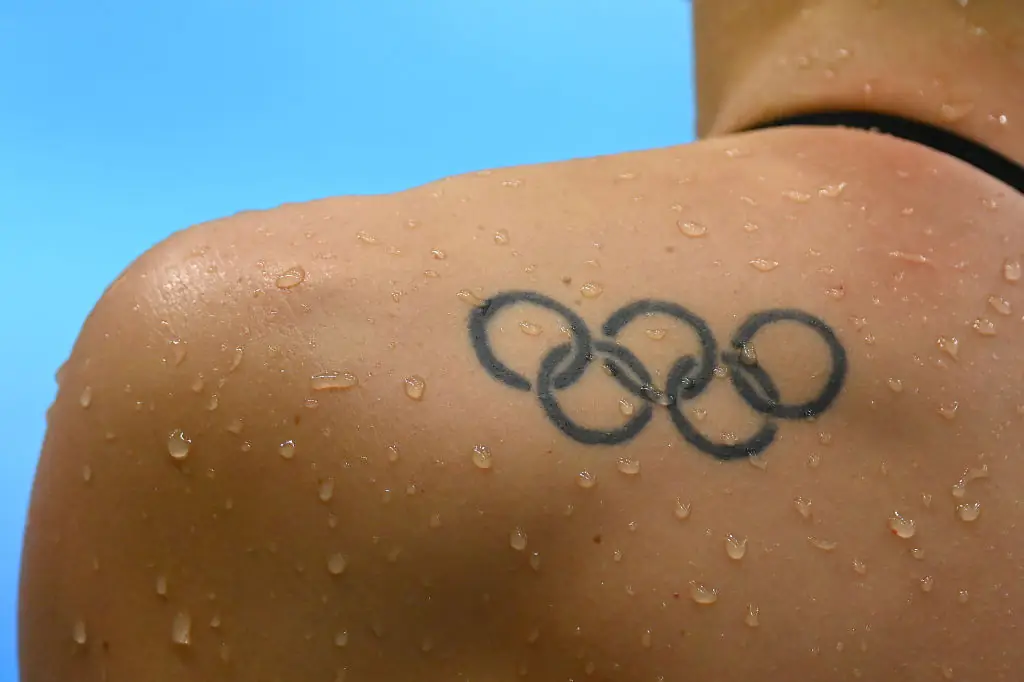
American Paralympian Rudy Garcia-Tolson, who has the Olympic rings tattooed on the back of his left shoulder, has also been impacted by this regulation.
After winning gold in the 200m individual medley swimming, Garcia-Tolson had the rings inked as a mark of his achievement.
However, when he competed in the London 2012 Paralympics, he was required to cover the tattoo due to the newly enforced rule.
He shared his experience with NBC Sports, explaining that he attempted to cover the tattoo with a marker, but the ink wore off by the time he entered the pool.
Despite this, he was not disqualified and was able to keep his silver medal.
Reflecting on the situation, Garcia-Tolson said: “That was kind of unintentional, but at the same time I feel like that’s who I am.”
As he prepared for the Rio 2016 Paralympics, Garcia-Tolson discussed the necessity of covering up his tattoo, despite his disagreement with the rule.
"I don’t really agree with it, but it’s the rules, so we’re just going to have to go with it,” he said. “I’m going to follow the rules. I don’t want to put all this hard work in and then get disqualified for something I have on my body.”
Garcia-Tolson also highlighted a tradition among Paralympians: those who earn a gold medal often reward themselves by getting the famous rings tattoo.
“We feel like we should be treated no differently than our Olympic teammates,” he said. “The title, the names, to me it’s just kind of unimportant. Who’s to say in 20 years we don’t have the same logo [as the Olympics].”