


UK4 min(s) read
Everything we know about Andrew's arrest so far

Here's everything we know about Andrew Mountbatten-Windsor's arrest so far.
As widely reported, the 66-year-old, who is formerly known as Prince Andrew, was apprehended at his Sandringham Estate in Norfolk on February 19.
Thames Valley Police have released an official statement regarding the investigation, revealing that Andrew was arrested on charges of misconduct in public office following his alleged involvement with Jeffrey Epstein.
.jpg_14Nfc7?tr=f-webp,q-70,w-1024)
Details of Andrew’s Arrest
According to the police, the former royal's arrest was part of a wider inquiry, and searches are being carried out at locations in both Berkshire and Norfolk.
The police statement, issued shortly after the arrest, clarified: “As part of the investigation, we have today (19/2) arrested a man in his sixties from Norfolk on suspicion of misconduct in public office and are carrying out searches at addresses in Berkshire and Norfolk. The man remains in police custody at this time.”
However, the department also emphasized that, per national guidance, they would not be naming the arrested individual at this stage due to the ongoing investigation.
Assistant Chief Constable Oliver Wright spoke about the case, saying: “Following a thorough assessment, we have now opened an investigation into this allegation of misconduct in public office.
"It is important that we protect the integrity and objectivity of our investigation as we work with our partners to investigate this alleged offence. We understand the significant public interest in this case, and we will provide updates at the appropriate time," he added.
What Is Andrew Charged With?
The charge of misconduct in public office relates to the "serious wilful abuse or neglect" of powers held by public officials.
As explained by legal commentator Joshua Rozenberg to Sky News, this offence is complicated.
It has not been legislated by parliament, but instead, it has developed through common law, meaning there is no set maximum penalty.
"For that reason, there isn't actually a maximum penalty at all. It's life imprisonment because parliament has never actually set a maximum," Rozenberg explained.
This offence usually involves the misuse of authority, such as when an individual in a position of public trust intentionally acts in a way that undermines that trust or neglects their duties.
The potential for an overhaul of how misconduct in public office is defined is currently being debated, with the Public Office (Accountability) Bill making its way through Parliament.
This proposed law aims to clarify and redefine what constitutes misconduct for public officials.
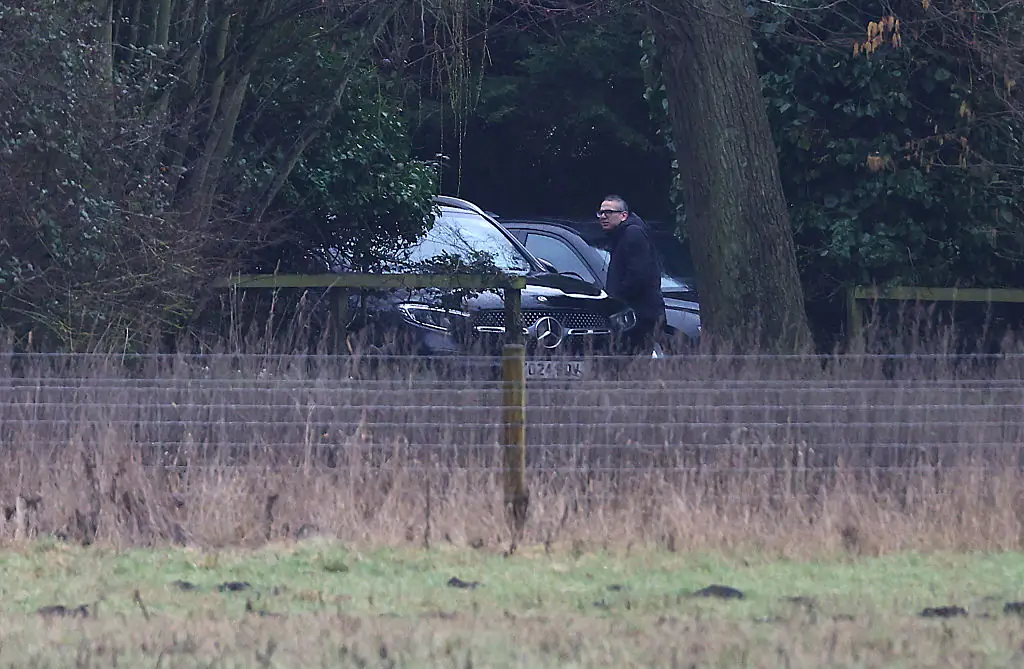
Arrest Allows for Search of Andrew’s Properties
Following his arrest, Andrew's homes and possessions may be subject to detailed searches.
Dal Babu, former Chief Superintendent of the Metropolitan Police, told BBC News that by arresting King Charles' brother, police will be able "to access computer equipment, files, photographs, any other evidence".
He also says officers "can carry out searches of any premises he owns or occupies, or any other premises he controls, so there may well be searches in other areas as well".
How Long Can Police Hold Andrew?
According to policing commentator Danny Shaw, the maximum time Andrew can be held in custody is 96 hours, although this would require extensions from senior police officers and a Magistrate’s Court.
Shaw noted that it’s more typical for suspects to be held for 12 to 24 hours before either being charged or released pending further investigation.
Andrew will reportedly be placed in "a cell in a custody suite" with just "a bed and a toilet", where he will wait until his police interview.
There is no indication that he will receive any special treatment during his detention.
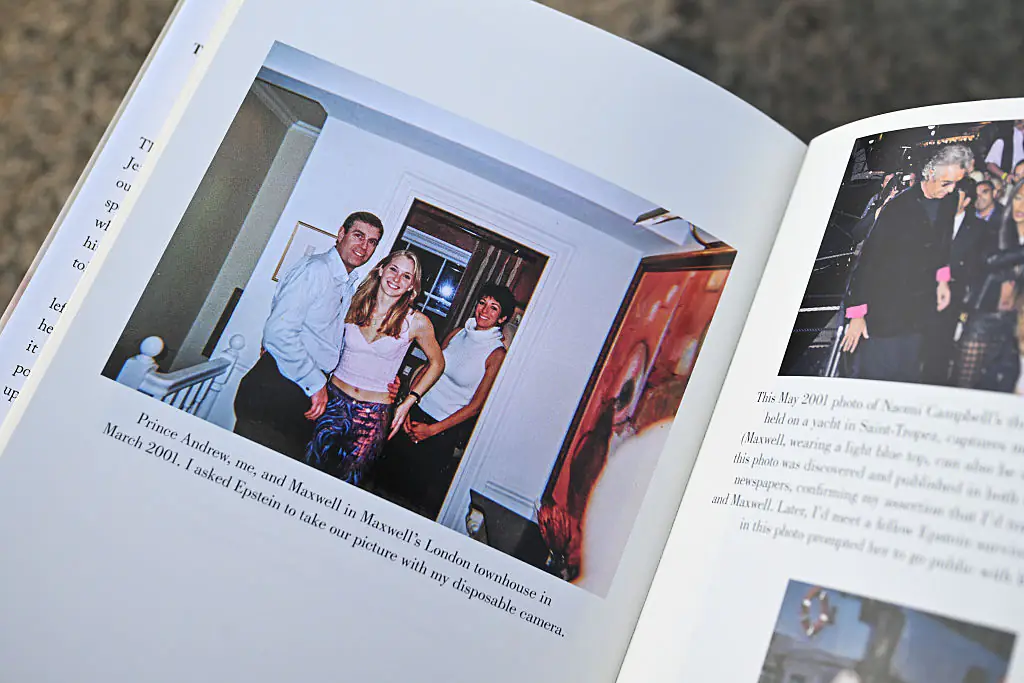
What We Don’t Know About Andrew’s Arrest
Despite the release of official statements, there remain many unanswered questions about Andrew’s arrest.
Some key details still being investigated include the specifics of the allegations:
- What exactly are the accusations that led to the investigation and subsequent arrest of Andrew?
- What evidence or information led Thames Valley Police to take action against the former royal?
- Where is Andrew currently being held?
- Has he been interviewed? As of now, it’s unclear whether Andrew has been formally questioned by police as part of the investigation.
Andrew has strongly denied any wrongdoing. This is the first time he has been arrested.