


US3 min(s) read
5 jobs that will be exempt from draft as automatic military draft registration starts this year

Despite Wednesday's announcement of a ceasefire between the U.S. and Iran, apprehensions around a potential global war remain firmly intact, with attention turning to who would actually be called up if a military draft were introduced, and crucially, who might avoid it.
With automatic draft registration set to roll out in the US by 2026, the conversation is no longer hypothetical. Under the new system, eligible men will be signed up automatically using government data, a move officials say “transfers responsibility for registration from individual men to SSS through integration with federal data sources.”
But history shows that not everyone would be sent to fight. During previous wars, entire industries were protected to keep countries functioning.
Which occupations could avoid being drafted should a war break out?
Roles in healthcare, for example, have always been considered essential. Doctors, nurses and medical staff are needed both on the battlefield and at home, meaning they are far more likely to be kept in their positions.
The same applies to those working in food production. Farmers, agricultural workers and even bakers have historically been exempt to ensure a stable food supply during times of crisis.
Meanwhile, engineers and technicians would also be critical. From maintaining infrastructure to developing military systems, their expertise would be vital to both defence efforts and civilian life.

Utility workers, including electricians and water engineers — would likely be protected too, given their role in keeping essential services running.
Trump's comments prompt conscription questions
Prior to the declaration of a ceasefire between the two nations, Donald Trump recently issued a stark warning over Iran, saying: “A whole civilization will die tonight, never to be brought back again. I don’t want that to happen, but it probably will.”
He also warned of overwhelming military action if agreements were broken, stating: “If for any reason it is not... the ‘Shootin’ Starts,’ bigger, and better, and stronger than anyone has ever seen before.”
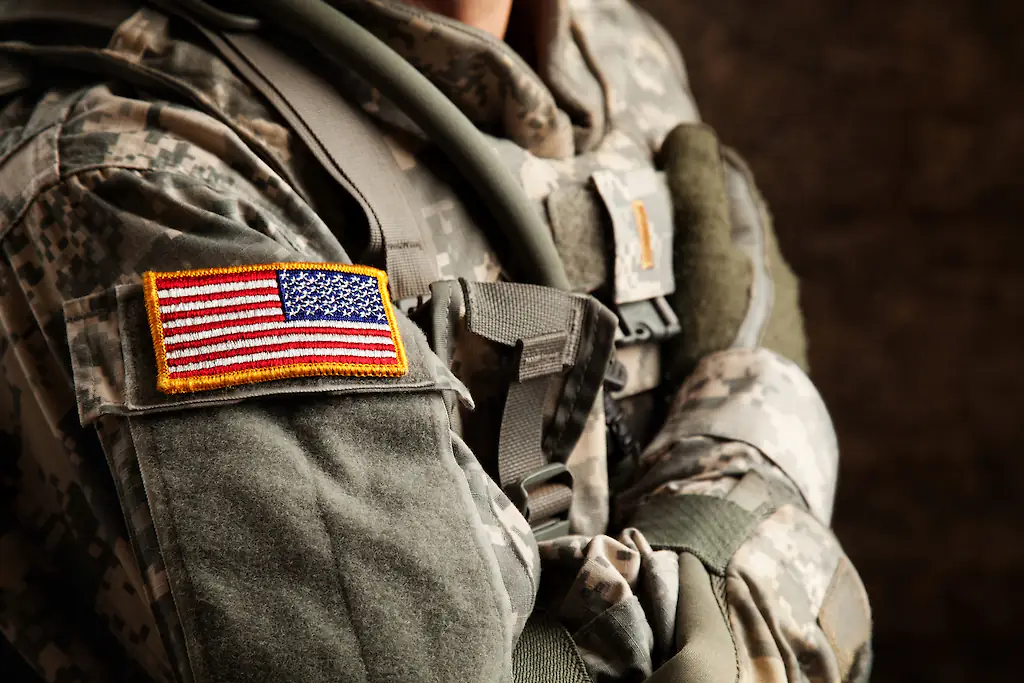
At the same time, political figures have acknowledged that conscription could become a reality under extreme circumstances.
Mike Martin said: “If we get involved in a general war with Russia, we’ll be conscripting the population - there’s no question about that.”
However, he stressed that military strength is intended to prevent conflict, adding: “Being prepared generates deterrence, which decreases the likelihood of war.”
For now, a draft remains a worst-case scenario. But with automatic registration on the horizon and geopolitical tensions simmering, the question of who would and wouldn’t be called up is becoming increasingly real.