Loading...
Published 10:03 19 Feb 2023 GMT
A woman has admitted to the 2019 homicide of her best friend after being offered a staggering sum of money to carry out the slaying.
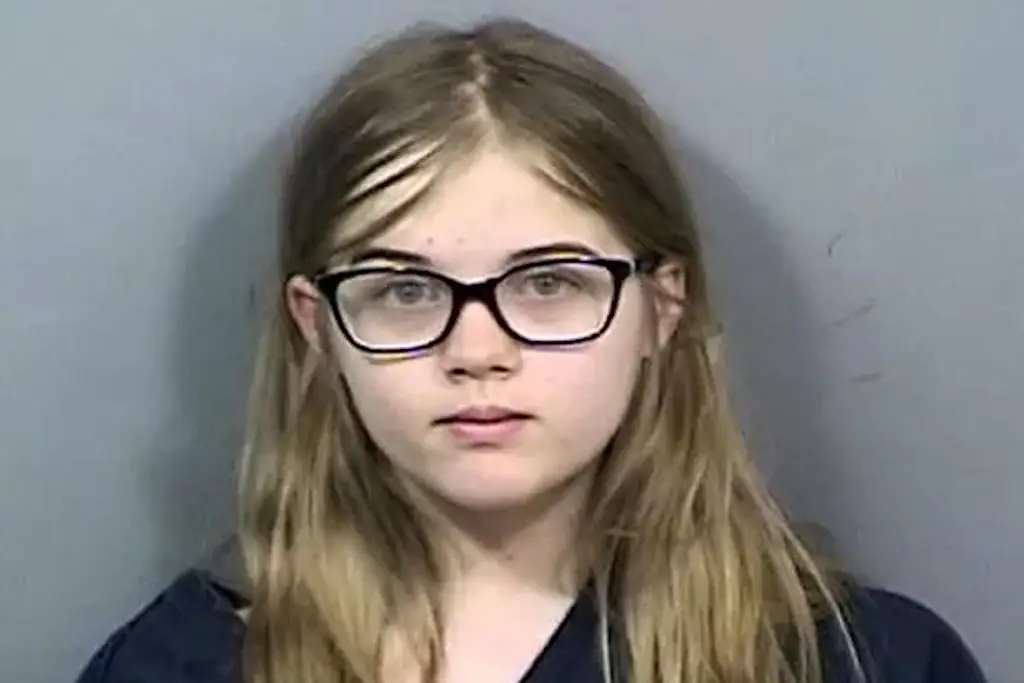
Denali Brehmer, 22, pleaded guilty to the first-degree murder of Cynthia Hoffman, 19, on Wednesday, the Alaska Department of Law said.
She murdered her friend after a man who was apparently catfishing her offered Brehmer $9 million to kill someone and send footage of it.
In agreeing to the plea, the Alaska native had the five other charges against her dropped, KTUU reports.
"She was charged with conspiracy to commit murder in the first degree, solicitation to commit murder in the first degree, two different theories of murder in the second degree, and tampering with evidence," State Prosecutor Patrick McKay said, per KTUU.
The charges arose from June 2019, when Hoffman - who had developmental disabilities - vanished during a hike with Brehmer and a different friend at Thunderbird Falls in Chugiak, Alaska.
Two days later, she was found dead on the banks of the Eklutna River, having been tied up using duct tape and shot in the back of the head.
Law enforcement discovered during the investigation into the homicide that Brehmer had begun a romance online with a man who introduced himself as "Tyler" and claimed he was a millionaire from Kansas, per charging documents.
According to reports, he offered her the staggering sum of $9 million to end someone's life and send him photos and footage of the killing.
It is stated in the charging documents that Brehmer, who was then 18 and Kayden McIntosh, then 16, drove Hoffman to Thunderbird Falls.
Documents further state that they duct taped Hoffman and took photos of her before McIntosh shot her in the back of the head, police said.
McIntosh and Brehmer were both charged with a count each of murder and one count of tampering with evidence, online court records state.
Two minors - a boy and girl whose names have not been shared publicly by authorities because of their age - "were involved in the planning of this homicide with Brehmer and McIntosh," according to the police report.
Caleb Leyland, who was 19 at the time of the killing, was also arrested for one count of murder, one count of conspiracy to commit murder and multiple counts of sexual assault with a minor.
Leyland is believed to have told law enforcement he helped plot Hoffman's murder and lent his SUV to Brehmer so the crime could come to fruition, per charging documents obtained by local outlet The Alaska Star.
The Alaska Department of Law said in a press release on the case: "The court will determine Brehmer’s sentence at a hearing. There is no agreement between the parties regarding a specific term of imprisonment. Judge Peterson may sentence Brehmer to a term of imprisonment of no less than 30 years and no more than 99 years.
"Sentencing is scheduled to begin Aug. 22, in front of Judge Peterson in Anchorage and is anticipated to last three days.
"The charges of conspiracy to commit murder in the first degree, solicitation of murder in the first degree, tampering with physical evidence and two charges of murder in the second degree were dismissed."
Published 16:51 10 Jan 2025 GMT
Published 10:21 03 Jul 2025 GMT
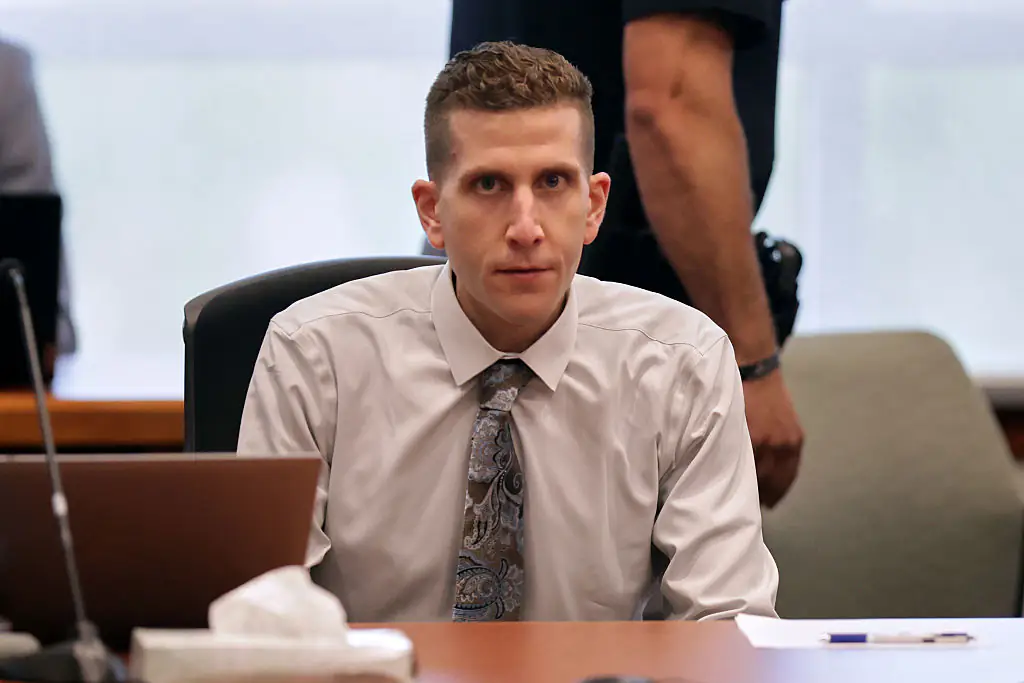
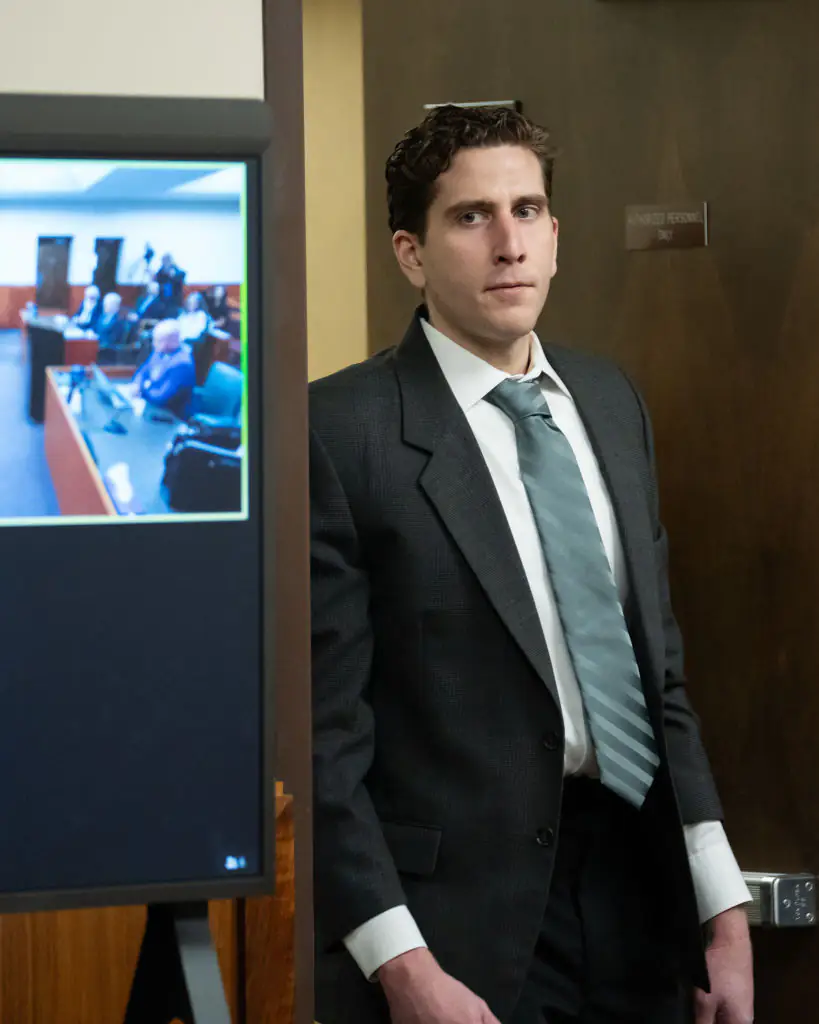
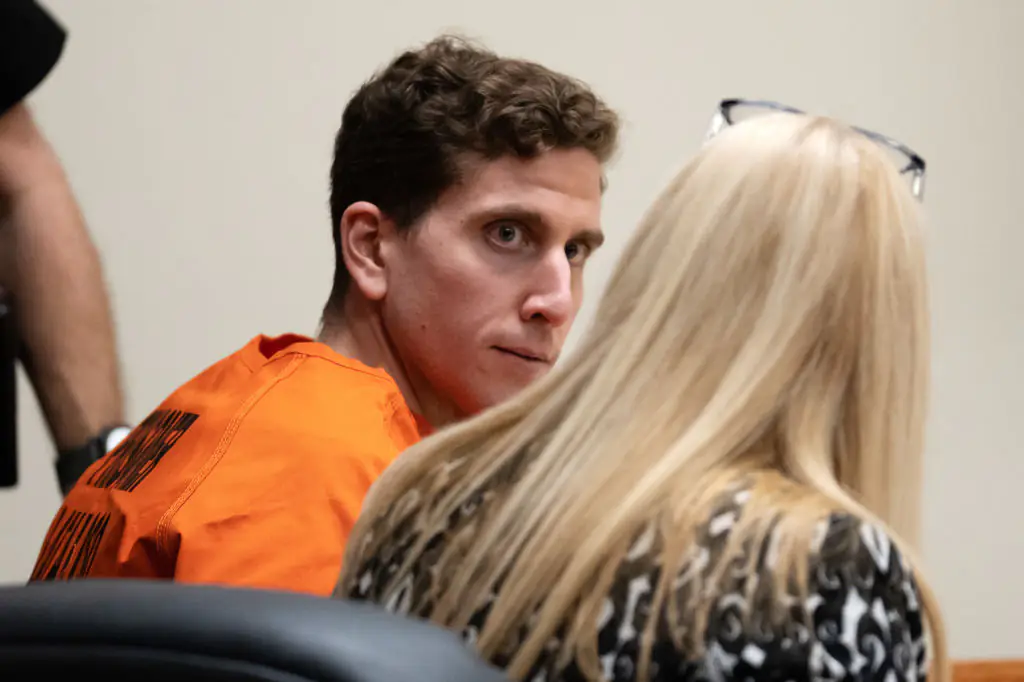
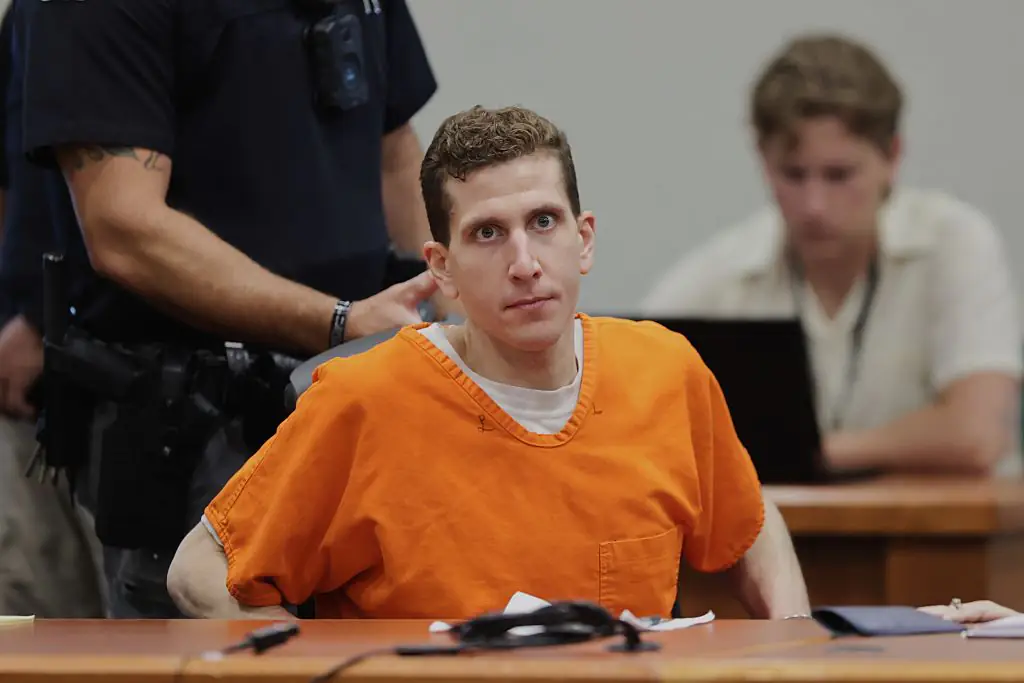
Bryan Kohberger, who pleaded guilty to the murders of four University of Idaho students, reportedly went back to the scene of the crime to take a chilling photo.
Kohberger, now 31, confessed in a Boise courtroom to the murders of Kaylee Goncalves, 21; Madison Mogen, 21; Xana Kernodle, 20; and Ethan Chapin, 20, crimes that took place on November 13, 2022, in Moscow, Idaho.
Judge Steven Hippler called on Latah County Prosecutor Bill Thompson to lay out the case details following the guilty plea.
Thompson shared many previously known details, including video footage of a car similar to Kohberger's near the scene on the night of the murders and Kohberger’s purchase of the same weapon used in the killings on Amazon.
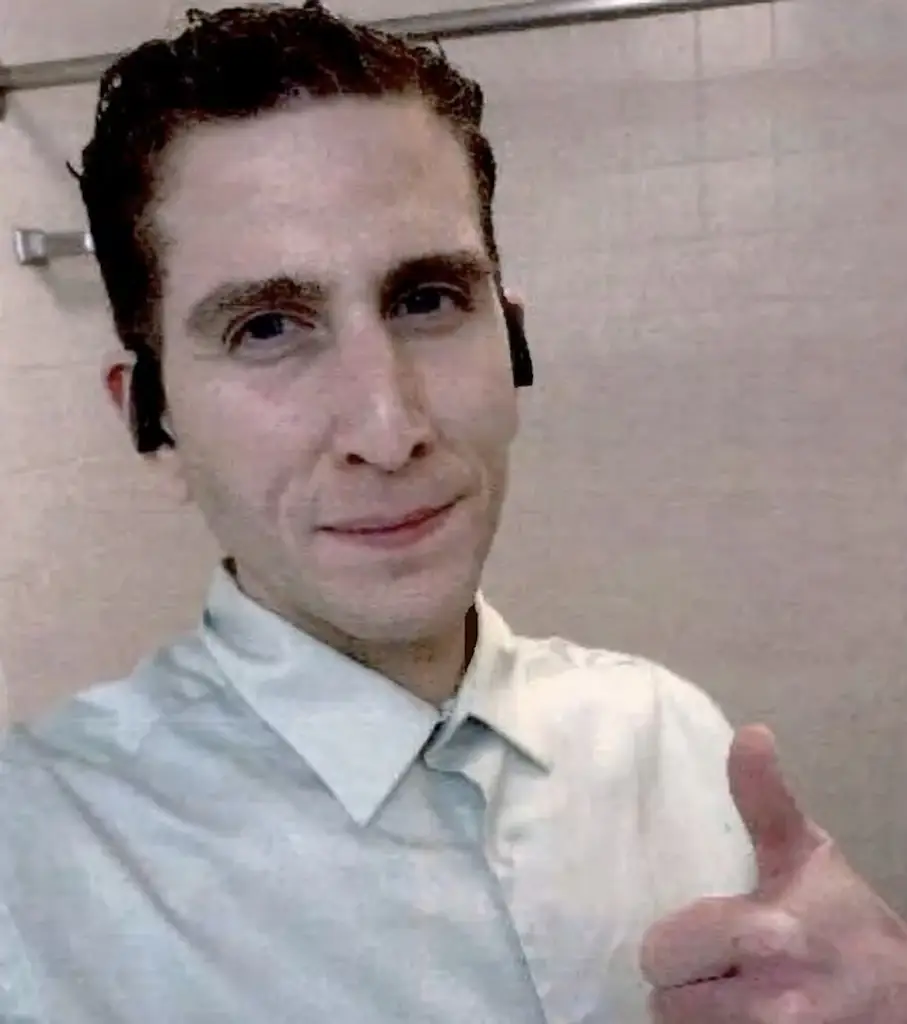
A chilling detail was also revealed: Kohberger returned to the murder scene a few hours after the killings, before the victims’ bodies were discovered, per PEOPLE.
According to Thompson, Kohberger’s phone was tracked to the residence at around 9:00AM and stayed for about 10 minutes before he returned to his Washington State University dorm.
Once back, Kohberger took a selfie grinning with a thumbs-up gesture.
The confession came just two days after Kohberger struck a deal with prosecutors, where he pleaded guilty to four counts of first-degree murder and one count of burglary.
In exchange, the prosecution agreed not to seek the death penalty and instead recommended four consecutive life sentences plus up to 10 years on the burglary charge. Kohberger also waived his right to file an appeal and to a jury trial, per ABC News.
In July 2025, Kohberger pleaded guilty to four counts of first-degree murder and one count of felony burglary and was sentenced to four consecutive life sentences in prison without parole, as well as another ten years for burglary. He was also ordered to pay a combined fine of $250,000 and $20,000 combined in restitution.
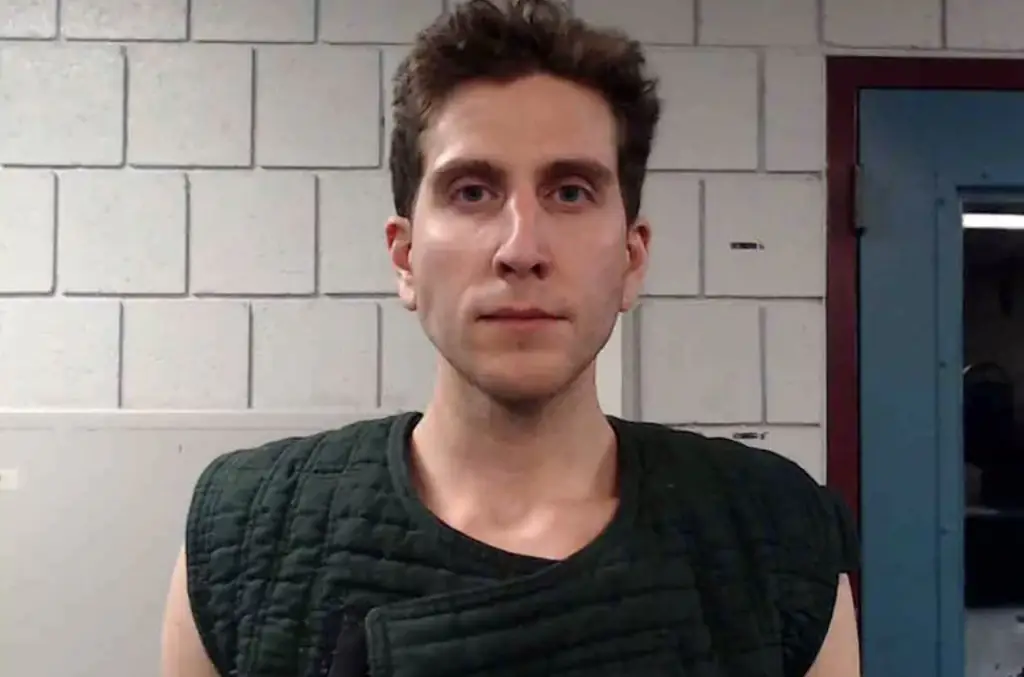
Kohberger, a PhD criminology student at Washington State University, was arrested in December 2022 at his parents’ home in Pennsylvania.
Police linked him to the murders using DNA found on a leather knife sheath left at the scene and cellphone pings that placed him near the home multiple times before the attack.
A white Hyundai Elantra connected to Kohberger was also recorded near the crime scene that night.
Court documents revealed police recovered a knife, a Glock pistol, black gloves, a black hat, and a black face mask during a search of Kohberger’s family home. Kohberger was indicted by a grand jury in May 2023.
His defense team questioned the DNA evidence’s accuracy and moved the trial location, arguing Kohberger would not receive a fair trial locally.
They cited Kohberger’s autism diagnosis while attempting, unsuccessfully, to have the death penalty removed as a sentencing option.
The plea deal has divided the victims’ families. The Mogen and Chapin families supported the deal, while the Kernodle and Goncalves families expressed disappointment, wanting the case to go to trial.
The Goncalves family confirmed the plea agreement on Facebook, writing: “It’s true! We are beyond furious at the State of Idaho. They have failed us.”
Moscow Prosecuting Attorney Bill Thompson acknowledged the family’s pain, stating in a letter: “We cannot fathom the toll that this case has taken on your family. This resolution is our sincere attempt to seek justice for your family.
"This agreement ensures that the defendant will be convicted, will spend the rest of his life in prison, and will not be able to put you and the other families through the uncertainty of decades of post-conviction appeals.”
Aubrie Goncalves, Kaylee’s sister, wrote on Facebook, cited by the New York Post: “The introduction of this plea deal, just weeks before the scheduled trial, is both shocking and cruel.”
Published 10:30 03 Jul 2025 GMT
Published 11:01 27 Jun 2023 GMT
Prosecutors have confirmed that they will be seeking the death penalty against Bryan Kohberger, who is accused of murdering four university students in Moscow, Idaho.
Kohberger, 28, is currently facing four counts of first-degree murder and one count of felony burglary after four students were killed at their home off-campus last November.
Kaylee Goncalves and Madison Mogen, both 21, and Xana Kernodle and Ethan Chapin, both 20, were stabbed to death in the late-night attack on November 13, while two others in the home were unharmed.
Following a six-week manhunt, Kohberger was arrested on suspicion of the murders, but a judge entered a "not guilty" plea on his behalf in May after he chose to "stand silent" in court.
In a new court filing, prosecutors wrote: "Considering all evidence currently known to the State, the State is compelled to file this notice of intent to seek the death penalty."
Top prosecutor Bill Thompson added that the case met the standard for the death penalty as the acts were "especially heinous, atrocious or cruel" and "exhibited utter disregard for human life".
The statement read: "The State gives this notice based on the fact that it has not identified or been provided with any mitigating circumstances sufficient to prohibit the triers of fact from considering all penalties authorized by the Idaho legislature including the possibility of a capital sentence.
"Consequently, considering all evidence currently known to the State, the State is compelled to file this notice of intent to seek the death penalty."
Investigators revealed that DNA had been found on a "leather knife sheath" at the scene and documents which were unsealed in January showed that police collected a knife, Glock pistol, black gloves, a black hat, and a black face mask while searching Kohberger's home.
Police also seized his white 2015 Hyundai Elantra, which eyewitnesses had claimed to see in the area around the time, and dismantled the vehicle.
Kohberger's attorney has criticized the prosecution for relying on investigative genetic genealogy - which is when DNA from crime scenes is used to identify suspects through other genetic DNA profiles or matches - calling it a "bizarrely complex DNA tree experiment".
According to the prosecution, the FBI went to public DNA sites to match the results found on the knife sheath, allowing them to hone in on Kohberger as the main suspect.
Kohberger had been studying for a PhD in criminology at Washington State University, just eight miles across the Idaho/Washington border from Moscow, where the murders took place.
Following the news that the death penalty would be sought, Goncalves' family said they were "grateful" for the decision, adding in a statement: "We continue to pray for all the victims families and appreciate all the support we have received."
Kohberger's trial is due to begin on October 2.
Published 10:12 01 Aug 2025 GMT
New details have emerged in the University of Idaho homicide case, shedding light on why Bryan Kohberger may have left one of two surviving roommates alive during his deadly attack.
Kohberger, a former criminology PhD student, was sentenced on July 23 to four consecutive life terms without the possibility of parole for the murders of Kaylee Goncalves, 21, Madison Mogen, 21, Xana Kernodle, 20, and Ethan Chapin, 20.
John Judge Hippler also imposed a $50,000 fine and a $5,000 civil penalty to be paid to each of the victims' families for every count of first-degree murder.
Additionally, Kohberger received a 10-year sentence and a $50,000 fine for burglary.
Still, one chilling question lingered even as the verdict was handed down: why did Kohberger spare two roommates, Dylan Mortensen and Bethany Funke, who survived the attack, including one who came face-to-face with the killer?
Moscow Police officer Mitch Nunes noted in a newly released report that Mortensen, who lived on the same floor as Kernodle and Chapin, witnessed the masked intruder leaving through the second-floor patio area.
“She peeked out of her bedroom,” Nunes wrote, per E! News, “and observed a male described as approximately 6-feet tall, slim build, with a black ski mask.”
Prosecutor Bill Thompson now believes that Kohberger saw Mortensen, too. “From what Dylan described,” he told the Idaho Statesman, “I have a hard time imagining that the killer did not see Dylan.”
As for why Kohberger didn’t attack her, Thompson suggested he may have panicked.
“At that point, he’d been in the house probably longer than he planned, and he had killed more people than he planned,” he said. “It wouldn’t surprise us that the killer was scared at that point and decided they had to leave, not knowing if law enforcement already had been called.”
Mortensen detailed the long-lasting trauma she’s endured since the murders during her victim impact statement.
“What he did shattered me in places I didn’t know could break,” she said. “I couldn’t be alone. I had to sleep in my mom’s bed because I was too terrified to close my eyes. Terrified that if I blinked, someone might be there.
“It’s far beyond anxiety,” she continued. “It’s my body reliving everything over and over again. My nervous system never got the message that it is over, and it won’t let me forget what he did to them.”
In a separate statement cited by US Weekly, Mortensen referred to Kohberger as “less than human” and “a hollow vessel,” saying: “I believe he is a body without empathy, without remorse. He tried to take everything from me - my friends, my safety, their lives. He will stay here, empty, forgotten, and powerless.”
Funke, the second surviving roommate, did not appear in court but issued a statement via a spokesperson, calling November 13 “the worst day” of her life and outlining the profound personal impact the killings have had on her.
Kohberger showed no visible emotion during the victim impact statements. As part of his plea deal to avoid the death penalty, he admitted guilt under oath.
When Judge Hippler asked whether he had killed each victim “willingly, unlawfully, deliberately and with premeditation and malice aforethought,” Kohberger answered with a firm “Yes” for each.
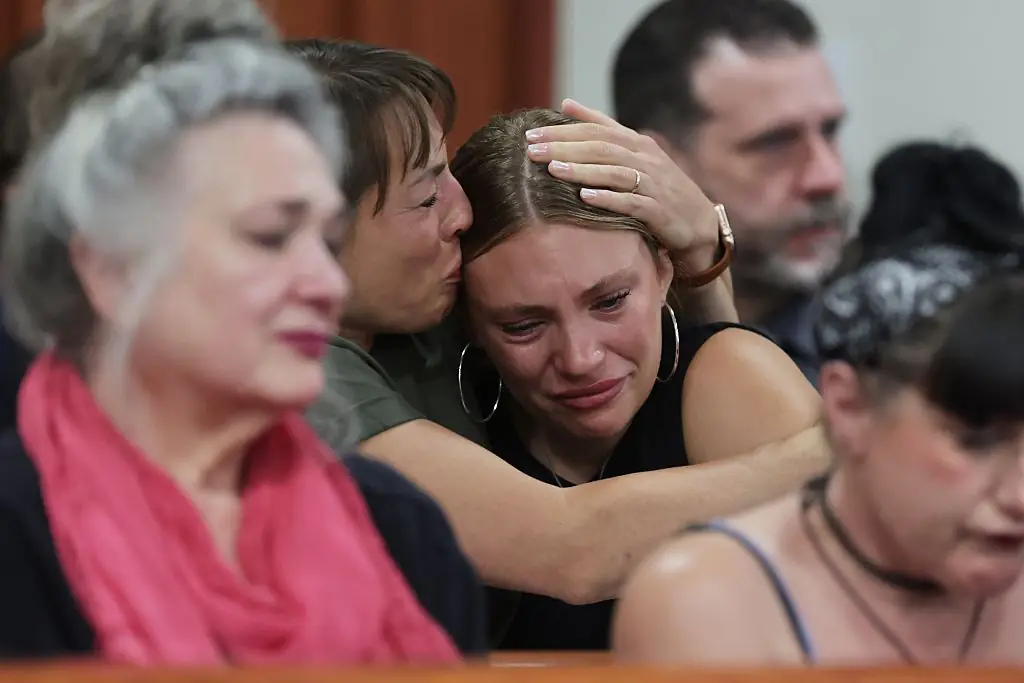
Reactions to the plea deal were divided as Madison Mogen’s grandmother, Kim Cheeley, supported the agreement, telling the court: “It punishes the perpetrator of this horrendous crime, protects the public from further harm and allows all of us who knew and loved these kids the time to grieve without the anxiety of the long and gruesome trial, the years of appeals and potential for mistrials along the way."
She shared personal memories of her granddaughter, describing her as her first grandchild who affectionately called her “Deedle,” and detailed the emotional weight of her grief.
"I now have a stack of books on grief," she said. "I've attended grief classes at hospice. I've tried EMDR, a technique that helps replace disturbing visions with something more comforting. My son, Ben, his two sisters, Maddie's aunts, and I have all experienced depression and anxiety. And sleep disturbance, requiring medical intervention at times. We've all sought counseling off and on."
Ethan Chapin’s parents chose not to attend the sentencing. Meanwhile, the Goncalves family has been critical of the plea deal and previously called for the death penalty, even suggesting a firing squad as a method of execution.