


US3 min(s) read
Body language expert reveals 'very uncomfortable moment' where Nick Reiner got 'angry' at interview question

As the shocking case of Rob Reiner and his wife Michele continues to unfold, renewed attention is being paid to past interviews with their son, Nick Reiner, that may now offer unsettling insight into his emotional state years before his arrest on suspicion of their murder.
A body language expert has revisited one particularly tense exchange between Nick and his father, legendary filmmaker Rob Reiner, highlighting what he describes as a moment of visible anger and discomfort when a sensitive question was raised on camera.
Nick Reiner, 32, has openly spoken about struggling with addiction since his teenage years. According to a source close to the family, those challenges were allegedly compounded by what they described as a sense of entitlement that created long-term strain at home.
“Nick wanted to live a life that didn’t exist,” the source told PEOPLE. “He didn’t want to do any work but expected to be loved the way the rest of his family was.”
On Sunday, December 14, Rob Reiner, 78, and his wife Michele, 70, were found dead inside their Los Angeles home. Nick was arrested later that evening and has since been charged with two counts of first-degree murder. He appeared briefly in court on December 17, where his attorney, Alan Jackson, declined to enter a plea. His arraignment is scheduled to continue on January 7.
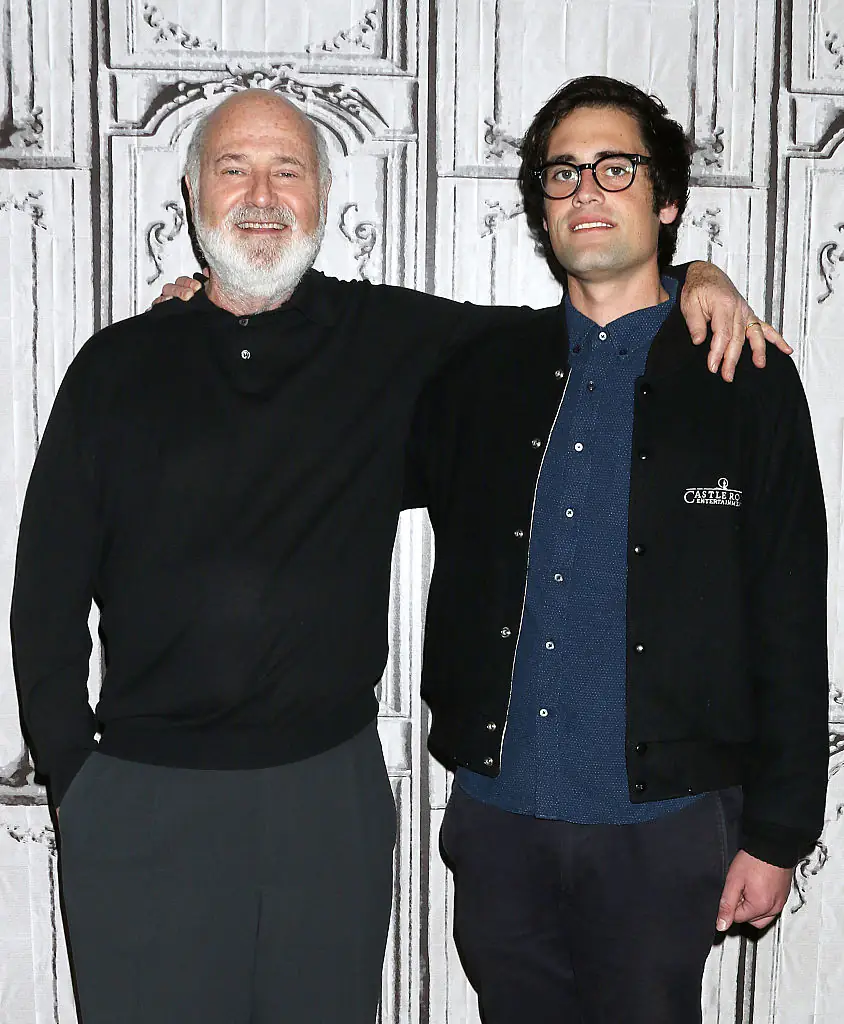
Viewers are examining Rob Reiner and Nick Reiner's past interviews. Credit: Laura Cavanaugh/Getty Images.
Parents’ Guilt and Desperate Attempts to Help
Those close to the family claim Rob and Michele carried deep guilt over their inability to help Nick fully overcome his struggles. “They felt enormous guilt for so long that they couldn’t help Nick get his life together,” the source said.
In an effort to support him, Rob directed Being Charlie (2015), a film co-written by Nick and loosely inspired by his experiences with addiction. The hope, according to the source, was that the project would help Nick gain confidence both personally and professionally.
During promotional interviews for the film, Nick spoke candidly about his “dark years,” while Rob publicly shared how “desperate” he felt trying to help his son through addiction.
Body Language Expert Breaks Down the Interview
Years later, body language analyst Dr. G Explains revisited one of those interviews in a YouTube video, focusing on the dynamic between father and son. He noted that Rob appeared to work deliberately to ease the tension by giving Nick space to speak and stepping in only when needed to keep the conversation flowing.
“He’s doing his best to let Nick talk,” Dr. G explained, adding that Rob’s relaxed posture and expressive movements helped minimize Nick’s visible awkwardness.

‘This Is Anger’: The Moment Things Shift
According to the expert, the tone noticeably changed when Rob began recounting a scene from Being Charlie that was based on a real-life experience Nick had while in rehab. As Rob described the moment as humorous, Nick’s reaction told a different story.
“Now here’s a very uncomfortable moment,” Dr. G said. “Watch Nick Reiner’s mouth. We’re getting a sneer. This is anger.”
The expert explained that Nick appeared unable to mask his emotions, suggesting the topic triggered unresolved feelings. “He does not like talking about this,” Dr. G added. “Something about this is making him feel angry, actually.”
A Haunting Rewatch
What was once seen as an awkward press moment now feels far more unsettling in light of recent events. As the legal case moves forward, these resurfaced interviews are being viewed through a very different lens – one that highlights just how deeply complicated the Reiner family dynamic may have been long before tragedy struck.