


US5 min(s) read
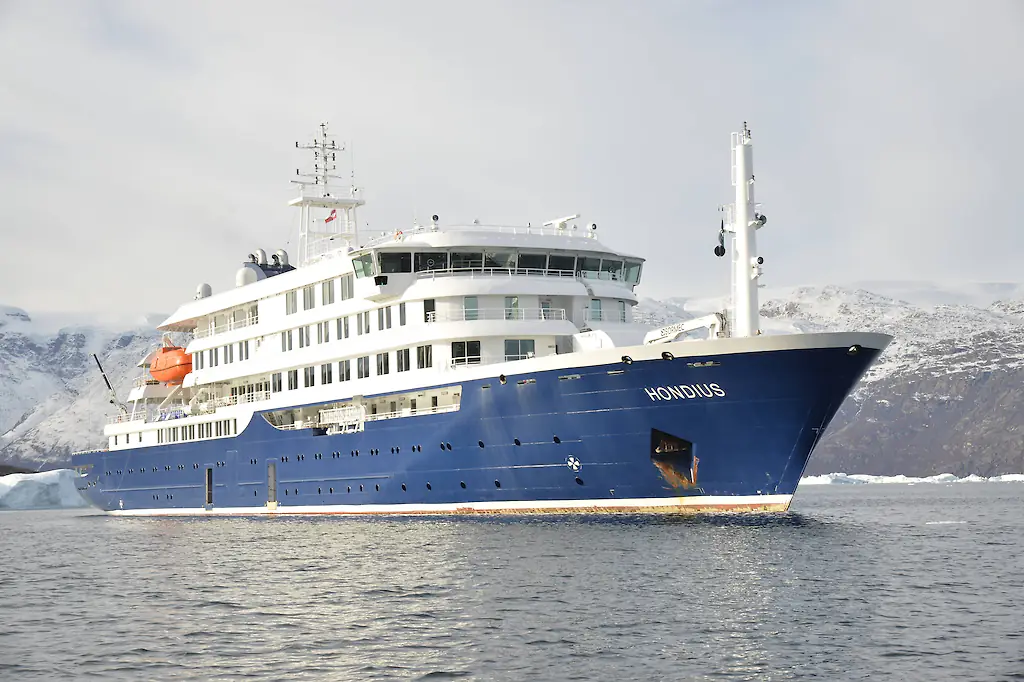
CDC issues statement to American public as 3 people left dead following MV Hondius cruise hantavirus outbreak

CDC has issued a statement to the American public after three people died from a hantavirus outbreak on the MV Hondius cruise.
The World Health Organisation reported earlier this week that the first confirmed death was a 70-year-old Dutch man who died on April 11. His 69-year-old wife passed away on April 26, followed by a German woman who died on May 2.
Eight other cases are currently known, including a man in Switzerland who left the boat some weeks ago.
Authorities also disclosed that passengers aboard the Dutch-flagged ship tested positive for the Andes virus, a strain found in South America that can cause a dangerous lung disease known as hantavirus pulmonary syndrome.
CDC Issues A Statement
According to The New York Times, American passengers connected to the cruise were being monitored in three US states, although no illnesses had been reported.
"Hantavirus is not spread by people without symptoms, transmission requires close contact, and the risk to the American public is very low," the US Centers for Disease Control (CDC) director Dr Jay Bhattachary said in a post shared on X.
Bhattacharya said officials began "coordinating with domestic and international partners as soon as we were notified of a hantavirus situation".
"We understand that people are concerned and looking for information and that is why we provided clear, written health guidance to the American passengers through the State Department. The safety and health of the affected American travelers is our number one goal," he said.
"CDC has the world’s leading experts on hantavirus and is lending its technical expertise when coordinating with interagency partners, state health offices, and international authorities on response and repatriation planning."
"We will be monitoring the health status and preparing medical support for all of the American passengers on the cruise," he added.
Officials Investigating Where Passengers Caught The Virus
The MV Hondius departed from Ushuaia, Argentina on April 1 for an Antarctic expedition.
Because the virus can take between one and eight weeks to show symptoms, health officials say it is difficult to know whether passengers became infected before boarding, during the trip, or while visiting a remote South Atlantic island stop.
According to WHO, the Dutch couple spent time sightseeing in Ushuaia and also travelled through Argentina and Chile before joining the cruise.
Two Argentine investigators said the government’s leading theory is that they may have caught the virus during a bird-watching trip in Ushuaia.
Authorities are also tracing the couple’s movements through Patagonia, where hantavirus cases have increased.
The province of Tierra del Fuego, where the ship had docked before leaving, has never previously reported a hantavirus case.
Experts Say Climate Change May Be Helping Virus Spread
The Argentine Health Ministry reported 101 hantavirus infections since June 2025, around double the number recorded during the same period the previous year, per The Independent.
The ministry said the disease killed nearly a third of infected people last year, compared with an average mortality rate of 15 per cent over the previous five years.
Experts believe changing weather patterns may be helping infected rodent populations spread into new areas.
Hugo Pizzi, an Argentine infectious disease specialist, stated: "Argentina has become more tropical because of climate change, and that has brought disruptions, like dengue and yellow fever, but also new tropical plants that produce seeds for mice to proliferate. There is no doubt that as time goes by, the hantavirus is spreading more and more."
Researchers say droughts and heavy rainfall can both push rodents closer to human populations.
"When precipitation increases, food availability increases, rodent populations grow, and if there are infected rodents, the chance of transmission between rodents – and eventually to humans – also increases," Raul González Ittig, genetics professor at the National University of Córdoba and researcher at CONICET, added.
Officials also confirmed that 83 per cent of Argentina’s hantavirus cases are now found in the country’s far north, even though infections were once mostly limited to Patagonia.
"With the climate changing, the epidemiological picture has completely changed," said Pizzi. "The ship may be an isolated case. But this virus isn’t going anywhere."

What Is Hantavirus?
Hantavirus is mainly spread through contact with infected rodents or their urine, saliva, or droppings.
UK Health Security Agency warned that people are often exposed while cleaning enclosed spaces such as cabins, sheds, or storage areas where rodents have been present.
Symptoms can initially feel similar to the flu and may include fever, chills, headaches, and muscle aches.
"Early in the illness, you really may not be able to tell the difference between hantavirus and having the flu," Dr Sonja Bartolome of UT Southwestern Medical Centre in Dallas said, per ABC.
As the illness becomes more serious, fluid can build up in the lungs, causing severe breathing problems that require hospital care and respiratory support.
The CDC says hantavirus pulmonary syndrome is fatal in nearly 40 per cent of infected patients.