


US4 min(s) read
CIA whistleblower reveals chilling truth about Bin Laden before 9/11

A former CIA officer turned whistleblower has revealed what he calls a haunting truth about the intelligence community’s knowledge of Osama bin Laden before the September 11 attacks.
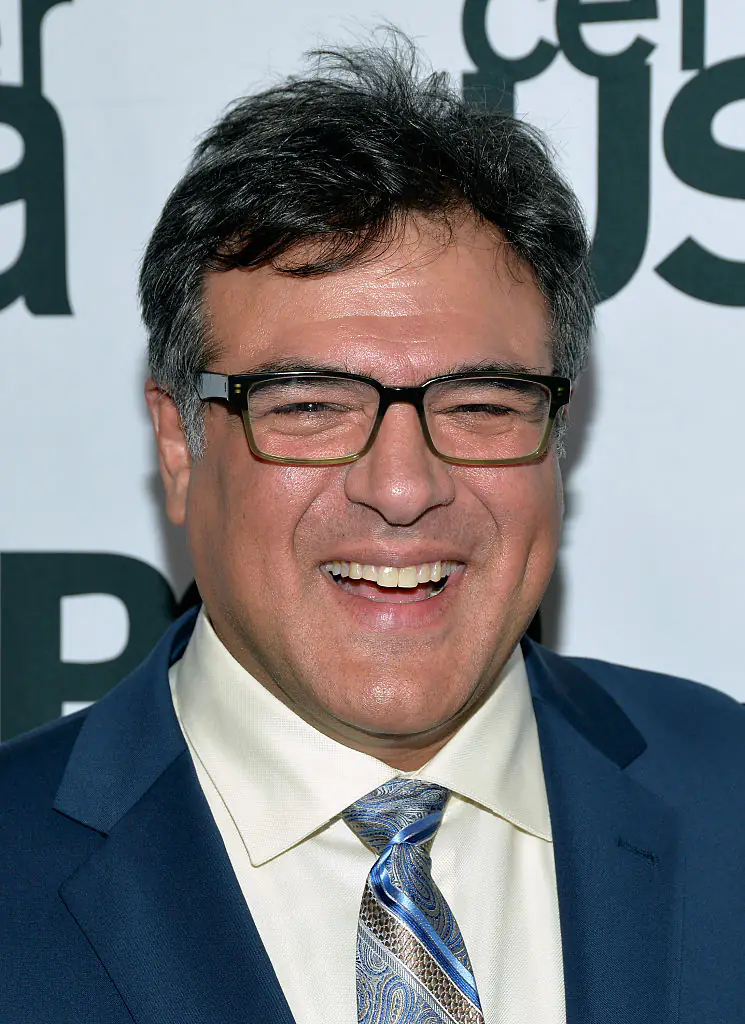
John Kiriakou, 61, served as a CIA agent between 1990 and 2004, working in multiple countries around the world.
After 9/11, he became the CIA's Chief of Counterterrorist Operations in Pakistan, where he was tasked with capturing al-Qaeda personnel.
But speaking recently on the MAD THAT podcast, Kiriakou said that before the attacks, the agency’s understanding of al-Qaeda was shockingly limited.
CIA Knew Very Little About Al-Qaeda Leading Up To 9/11
Kiriakou revealed to the hosts that the CIA had created 'this thing called the high-value targets division'.
"We had not yet captured a high-value target, and we didn’t know a whole lot about al-Qaeda," he added.
While the agency was aware of key figures, its broader intelligence picture was incomplete.
"We knew that it was founded and headed by Osama bin Laden.
"The Number two was Ayman al-Zawahiri, who had been the founder of Egyptian Islamic Jihad...
"Number three had been Muhammad Atif, but we killed Muhammad Atif in a bombing in Tora Bora in October of 2001," he said.
Beyond that, he said, the agency was largely in the dark.
"We didn't know anything else about al-Qaeda. We had no idea what the structure of it looked like. We had no idea where the cells were located," he shared.
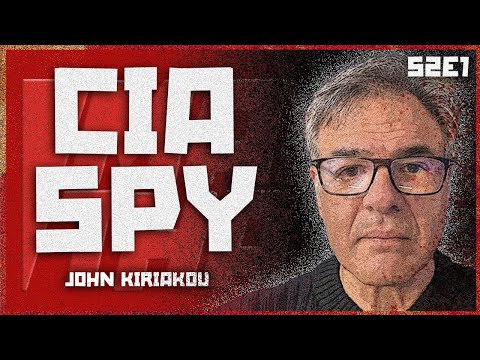
How 9/11 'Changed' The CIA
According to Kiriakou, the attacks fundamentally changed the agency’s mission.
"It went from an organization whose mission was to recruit spies to steal secrets to a paramilitary organization whose job it was to travel around the world and to kill as many people as they could kill,” he said.
After leaving the CIA, Kiriakou became one of its most notable whistleblowers, exposing the agency’s enhanced interrogation program and the use of torture techniques such as waterboarding.
In 2012, he was convicted of passing classified information to the media and sentenced to 30 months in prison.
He served time at the Federal Correctional Institution in Pennsylvania between February 2013 and February 2015, followed by three months of house arrest.
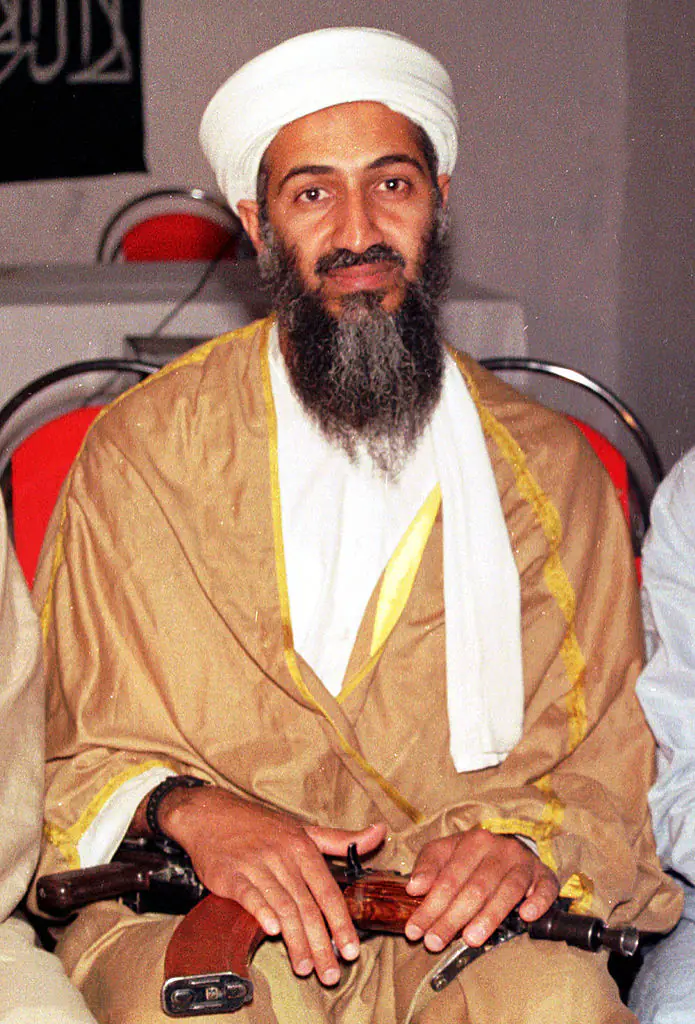
Inside The CIA’s Torture Program
During the podcast, Kiriakou detailed interrogation methods he said were used in the years following 9/11.
He described some techniques as 'essentially harmless,' such as when you 'grab a suspect by the shirt, and they say, 'answer my question''.
Another, known as the belly slap, involved slapping a detainee’s bare stomach.
"It makes a cracking sound. It leaves a handprint. It's a little bit embarrassing," he remarked.
However, he said three methods were particularly severe, including waterboarding and a practice known as the "cold cell."
In the 'cold cell,' he explained: "The prisoner is stripped naked, chained to an eyebolt in the ceiling, so he can't sit or lay or kneel or get comfortable in any way."
"The cell is chilled to 50° Fahrenheit. And then every hour a CIA officer goes in and throws a bucket of ice water on him," he said, adding that agents 'killed prisoners with that technique. They died of hypothermia.'
Sleep deprivation was another tactic.
"Around day nine, their organs begin to fail, and they begin to die. But the CIA was allowed, the CIA was authorized to keep people awake for as long as 12 days," he said.
Kiriakou has long said he opposed the torture program, which ultimately led to his whistleblowing.
'We’re Not As Smart As We Think We Are'
In a separate interview with Steven Bartlett on the Diary of a CEO podcast, Kiriakou offered a more comprehensive critique of the intelligence community.
Referencing the CIA’s reputation, he said: "We're not as smart as we think we are. We're not as worldly as we think we are.
"We've pretty much missed every major global development since 1947."
He also shared that intelligence agencies spend billions of dollars on 'spying on Americans. Whether it's NSA, CIA, FBI, or intelligence community contractors, nothing is secret. Nothing'.
He added: "So if they decide they want you, they don't like your politics, they can get your metadata, they can go through that metadata, find crimes that they can charge you with and ruin your life.
"And there's nothing you can do to protect yourself."