


US3 min(s) read
Congress views Epstein’s redacted files revealing new shocking revelations

Warning: This article may contain some distressing information.
New, shocking information has been revealed from the Epstein files, following ongoing scrutiny over the redactions that initially covered key details.
Last month, the U.S. Department of Justice (DOJ) released a new batch of Epstein-related documents under the Epstein Files Transparency Act (EFTA), which was part of a push for greater transparency in the wake of the disgraced financier's criminal activities.
However, the files, totaling approximately 3.5 million pages, were met with criticism as large portions were covered, and many crucial names and details were hidden from the public.
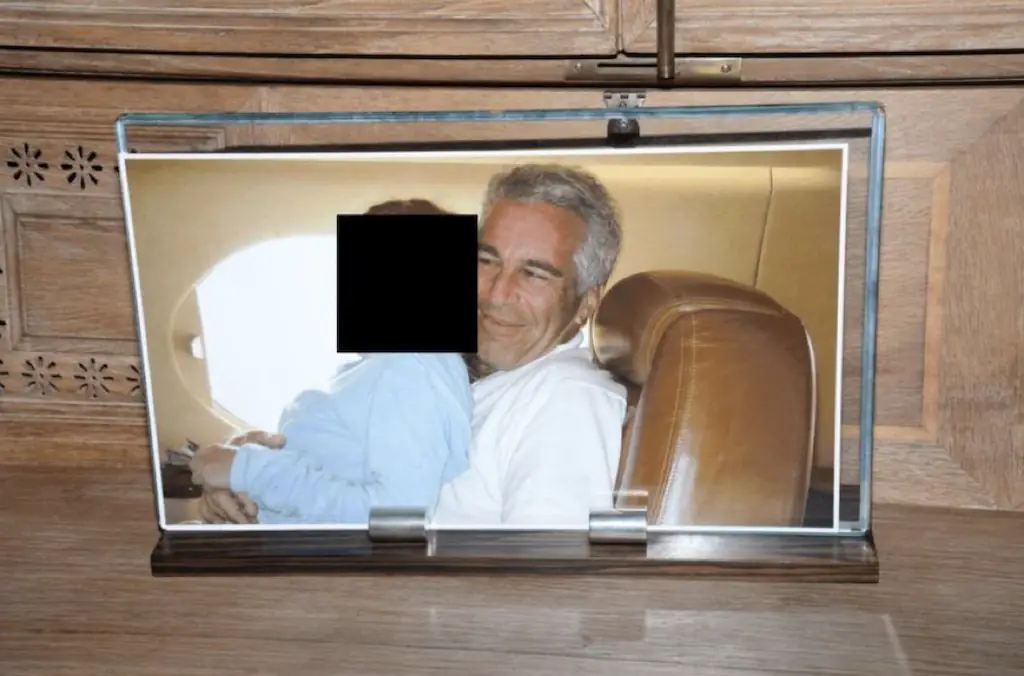
In response to the controversy, Republican Representative Thomas Massie of Kentucky and Democratic Representative Ro Khanna of California held a bipartisan press conference on Monday (February 9) to demand an explanation from the DOJ.
The two lawmakers, co-sponsors of the law that ordered the release of the files, urged the department to "correct their mistakes" regarding the redactions.
Per The Telegraph, Massie revealed that six men, one of whom is reportedly a high-ranking foreign government official, are "likely incriminated by their inclusion in these files," and shared examples of the redacted files on X to emphasize the lack of transparency.
Khanna joined him and expressed frustration about why certain names were hidden. “There’s no explanation why those people were redacted," he said, adding that one of the men “is a pretty prominent individual."
Congress Views Unredacted Files: New Revelations Emerge
The commotion surrounding the redactions heightened when several members of Congress were finally allowed to review the unedited files.
Representative Jamie Raskin, a Democrat from Maryland, shared his shock after going through the documents, revealing that some previously unreported victims, some as young as nine years old, were named.
"You read through these files, and you read about 15-year-old girls, 14-year-old girls, 10-year-old girls. I saw a mention of a 9-year-old girl today. I mean, this is just preposterous and scandalous," Raskin said, per The Independent.
The Controversy Over the Redactions
While the DOJ initially covered information to protect victims, minors, and witnesses, many lawmakers argue that some of these redactions were not justified by the law.
Under the EFTA, Congress explicitly stated that no documents should be withheld or redacted based on "embarrassment, reputational harm, or political sensitivity."
Khanna highlighted concerns over redactions made by the FBI before the documents were handed over to the DOJ. According to him, the FBI's actions in March of the previous year were inconsistent with the transparency required by the law.
"Trump's FBI scrubbed these files in March," Khanna said, per BBC News. "They need to unscrub the FBI files so we know who the rich and powerful men are who raped underage girls."
Massie echoed these concerns, noting that many of the files were censored before reaching the DOJ. He shared examples, including one document showing an email exchange discussing a "torture video" and travel between China and the US.
The lawmaker asserted that "a Sultan seems to have sent this" and called for the hidden identity to be exposed. In response, Blanche quoted Massie’s post on X, clarifying that the blacked-out text was an email address.
"The law requires redactions for personally identifiable information, including if in an email address. And you know that the Sultan's name is available unredacted in the files," he said. "Stop grandstanding."