ADVERT
US2 min(s) read
Published 13:27 07 Oct 2021 GMT
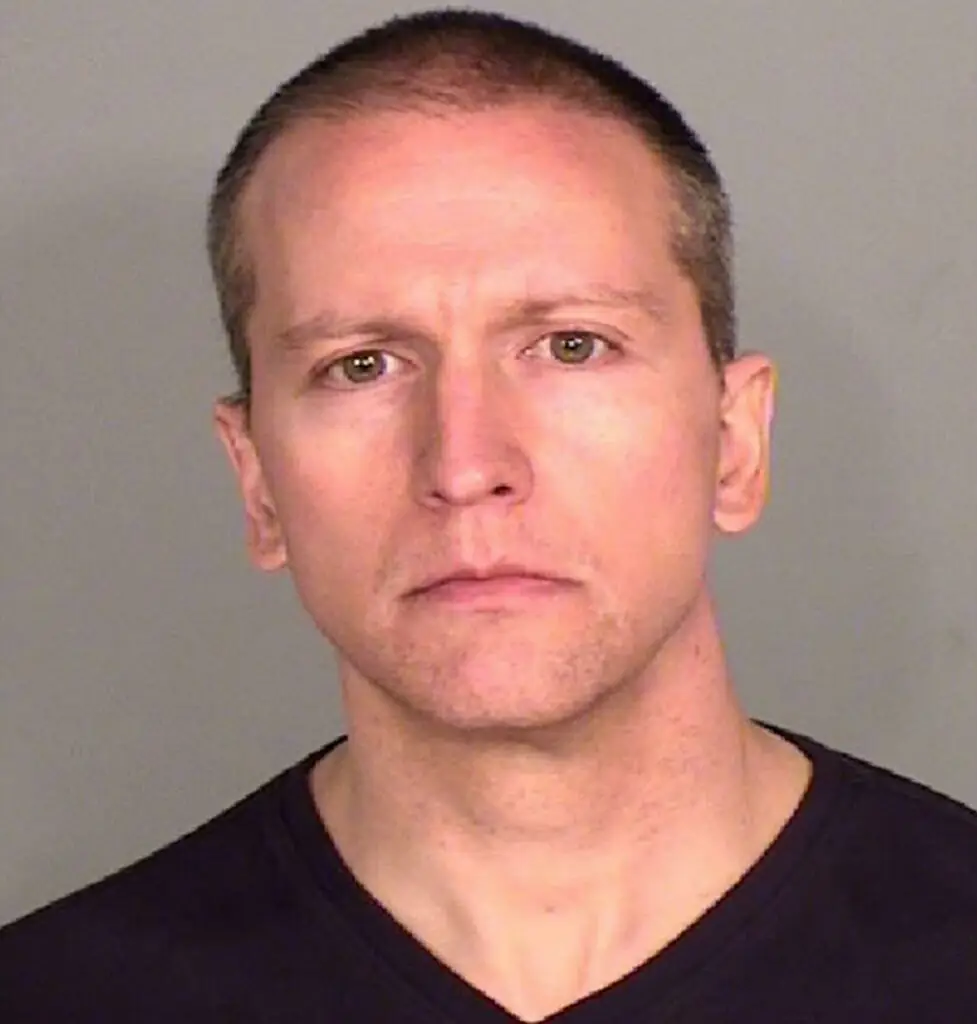
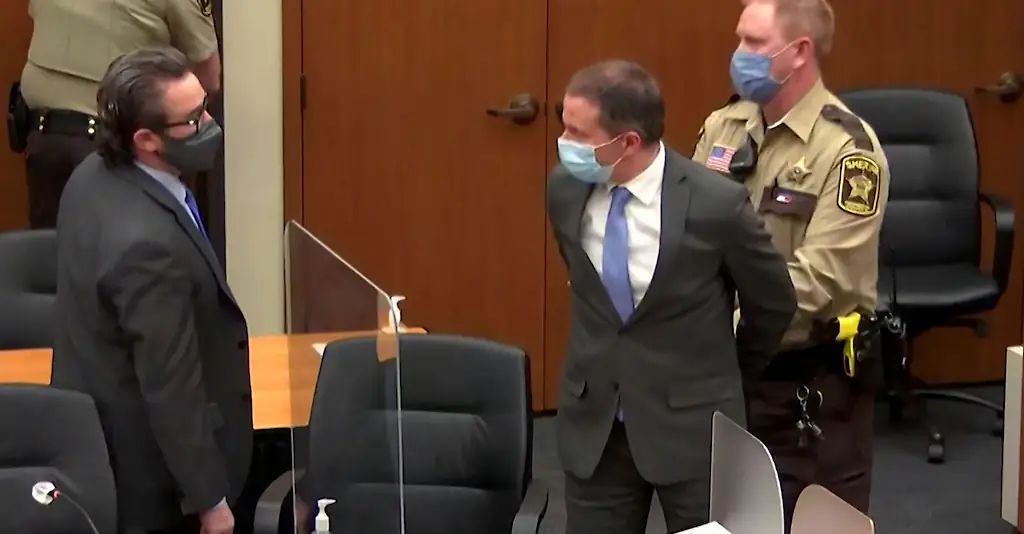
Derek Chauvin's request to have a public defender represent him in his bid to appeal his murder conviction was denied on Wednesday, October 6.
Per NBC News, the Minnesota Supreme Court deemed the Minneapolis police officer ineligible for the request and the state's high court confirmed that the 45-year-old is yet to establish that he is entitled to a public defender.
The justices came to this decision after reviewing data about Chauvin's debts and assets and also took into account the Office of the Minnesota Appellate Public Defender's previous finding that Chauvin was ineligible, Chief Justice Lorie Gildea wrote.
Chauvin is, however, able to seek out the service of a public defender in the future if he proves not to be capable of covering his legal costs on his own, the Supreme Court said.
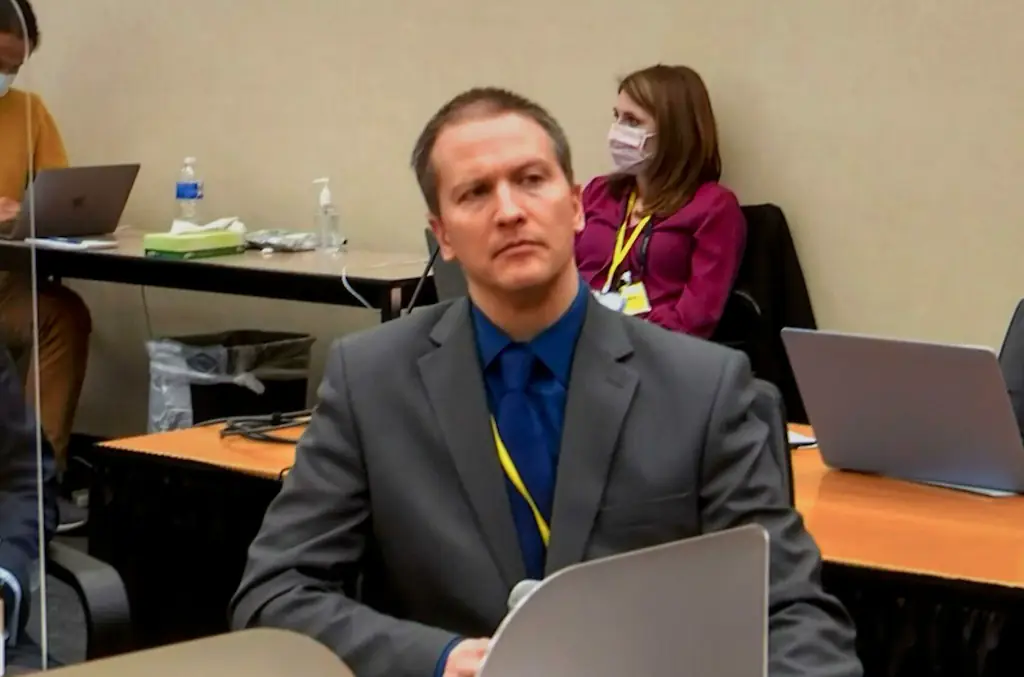
He filed court documents in September, stating his intention to appeal his conviction and sentence on 14 grounds. One of the grounds is that his trial should have been re-located from Hennepin County and the jurors should have been sequestered.
Chauvin also filed an affidavit stating that he does not have an attorney in the appeals process and has no income - with the exception of nominal prison wages.
The Minnesota Police and Peace Officers Association's legal defense fund paid for his previous court case.
Chauvin wrote: "I have been informed that their obligation to pay for my representation terminated upon my conviction and sentencing."
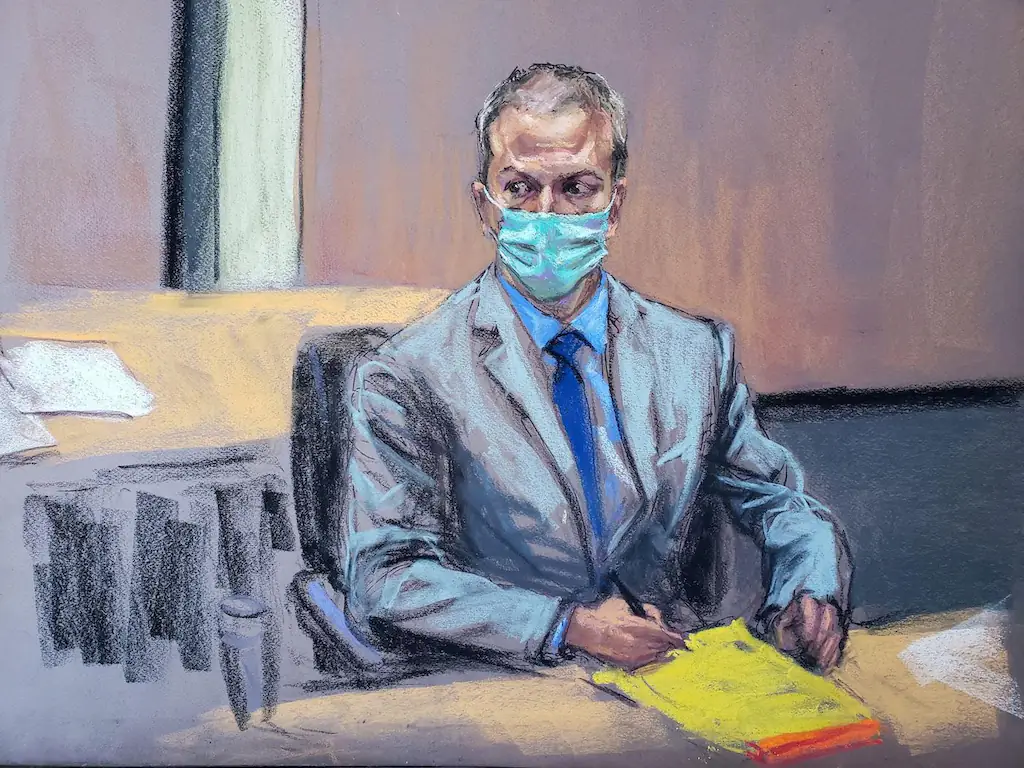
The ex-cop was found guilty on April 20 on state charges of second-degree unintentional murder, third-degree murder, and second-degree manslaughter in Floyd's death in May 2020. He was given a sentence of 22 and a half years behind bars.
Last year, Chauvin detained the unarmed man, who was arrested after a shop assistant called the police claiming he had used a counterfeit $20 bill for a packet of cigarettes.
Chauvin was charged with violating Floyd's civil rights when he knelt on his neck for more than nine minutes as Floyd repeatedly told the cop that he could not breathe. Chauvin pleaded not guilty to the charges.
us2 min(s) read
Published 11:12 24 Sep 2021 GMT
us3 min(s) read
us2 min(s) read
Published 14:42 27 Apr 2022 GMT
us2 min(s) read
us3 min(s) read
Published 20:04 25 Jun 2021 GMT
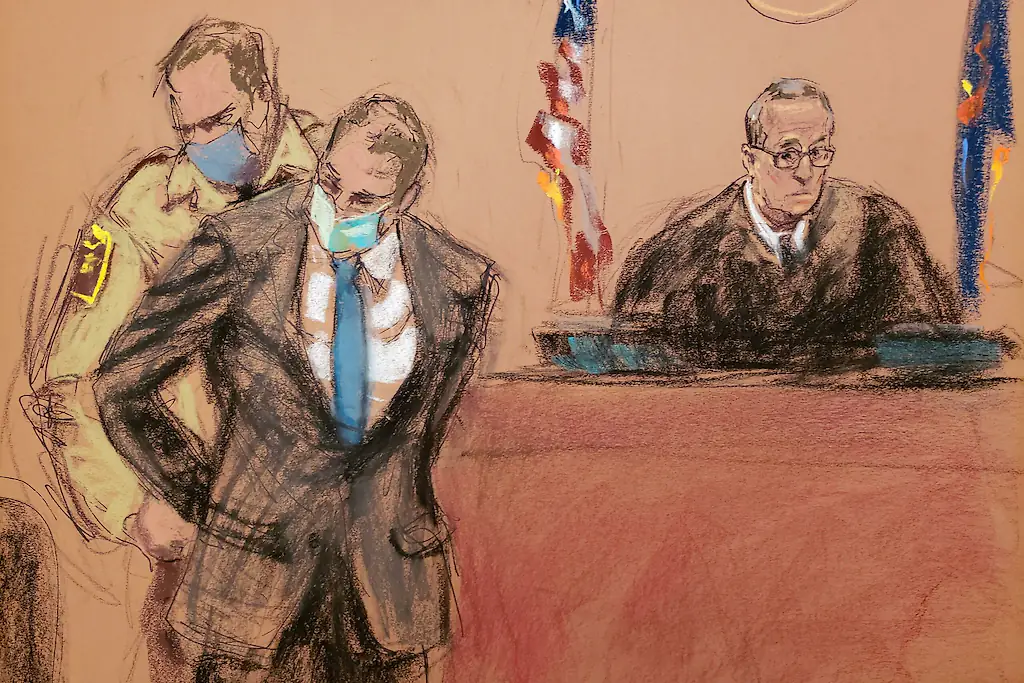
Derek Chauvin, who was earlier this year jailed for the murder of George Floyd, has appealed against his conviction, BBC News reports.
The former Minneapolis police officer was sentenced in June to 22 and a half years after kneeling on Floyd's neck.
Cops arrested Floyd after the proprietor accused him of using a counterfeit banknote to pay for his purchases.
Floyd was then handcuffed lying face down in the street, while Chauvin pressed his knee on the back of his neck for a total of nine minutes - fatally asphyxiating him.
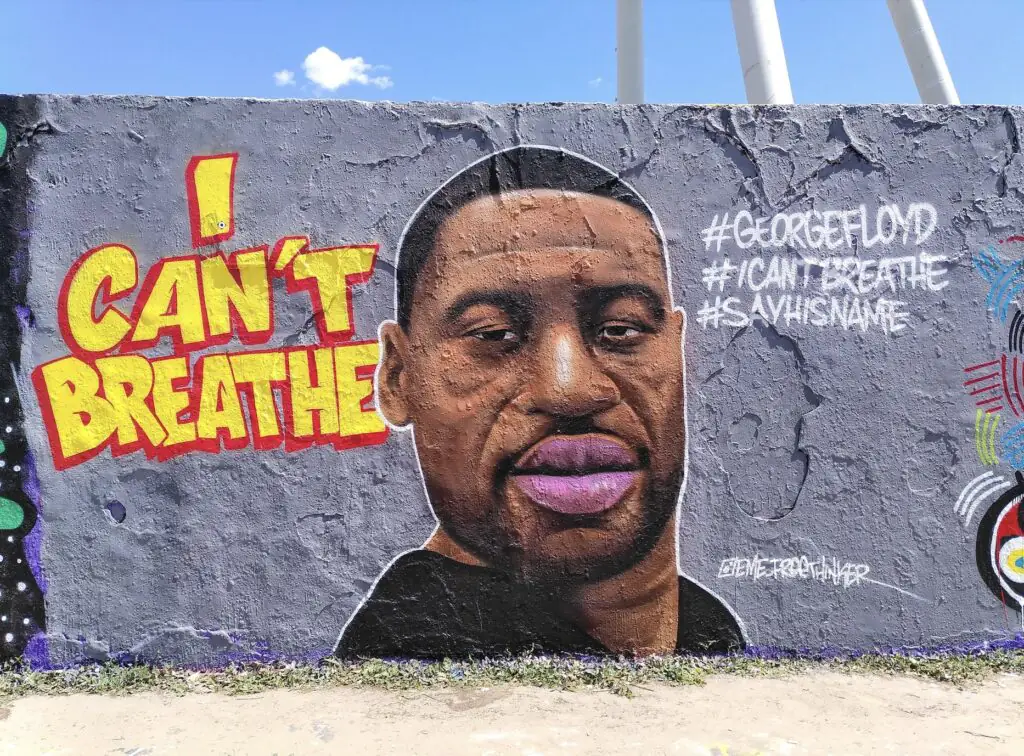
Cell phone footage recorded by teenage bystander Darnella Frazier showed that Floyd repeatedly asked for help and pled for leniency from ground level, even stating audibly "I can't breathe" more than 20 times.
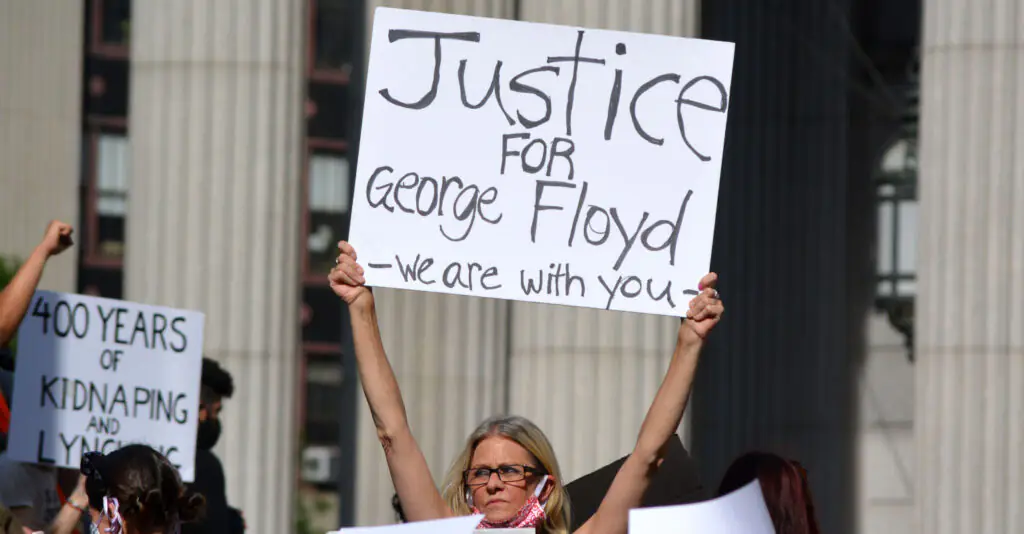
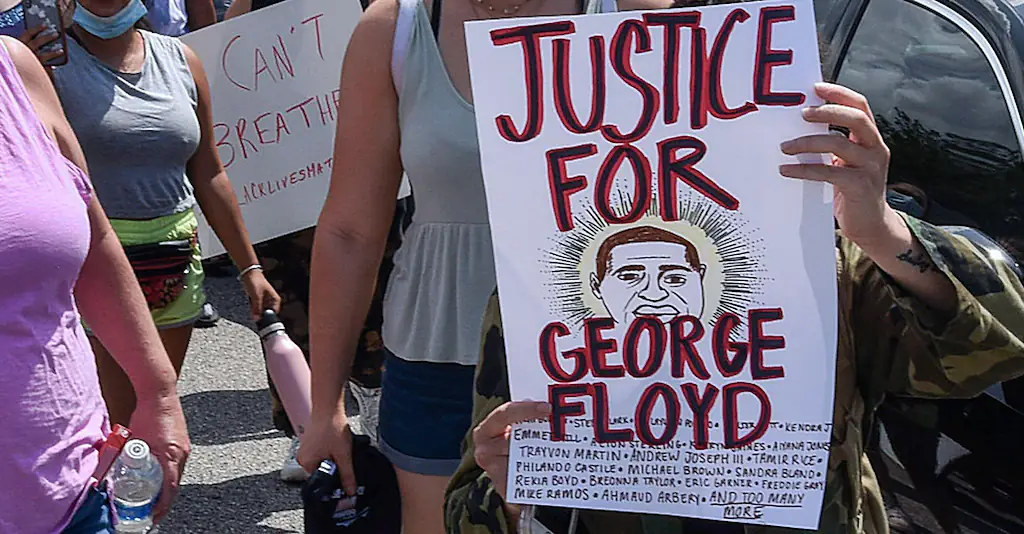
Floyd's death sparked mass global protests against racism and police brutality in the US.
And now, after having 90 days to lodge an appeal from the date of sentencing, Chauvin has filed court documents on Thursday, September 23.
Per Chauvin alleges that the trial judge abused his discretion at several key points of the case, including denying a request to postpone or move the hearing from Minneapolis due to pre-trial publicity.
The former officer said he had no legal representative for the appeal process as the Minnesota police department's "obligation to pay for my representation terminated upon my conviction and sentencing", the Associated Press news agency reports.
He has asked the Supreme Court to review an earlier decision to deny him a publicly-financed lawyer.
Chauvin was given 90 days from the date of his sentencing on 25 June to appeal against his conviction.
He was found guilty of second-degree murder and other charges, was barred from owning firearms for life, and was also told to register as a predatory offender.
Chauvin is the first white police officer in Minnesota to be convicted of killing a black man.
Per Sky News, the maximum sentence for second-degree unintentional murder is 40 years in prison under Minnesotan law.
However, Chauvin's lack of previous convictions meant that his sentence was expected to have been lighter.
Published 11:46 16 Dec 2021 GMT
Derek Chauvin's guilty plea in federal court may spare him from a life in prison, a legal expert has told The Sun.
In June, the former Minneapolis police officer was sentenced to 22 and a half years for the murder of George Floyd.
Chauvin changed his plea to guilty in the federal civil rights case against him on Wednesday, December 15.
The federal case against him also includes a separate incident from 2017, when he did nearly the same thing to a teenager, but the victim in that case survived.
By pleading guilty, Chauvin admitted to killing Floyd for the first time when he knelt on his neck while unarmed Floyd was cuffed and not resisting.
As part of the plea agreement, Chauvin faces a sentence of between 20 and 25 years in prison.
US District Judge Paul Magnuson has ordered a presentence investigation, and must still formally accept the guilty plea. Magnuson will then sentence Chauvin at a date that's yet to be scheduled.
With the guilty plea, Chauvin avoids the possibility of a life sentence, Independent reports.
The plea agreement says it's expected that the federal and state sentences would be served at the same time - not one after the other.
Chauvin's request to have a public defender represent him in his bid to appeal his murder conviction was denied on Wednesday, October 6.
Per NBC News, the Minnesota Supreme Court deemed the Minneapolis police officer ineligible for the request and the state's high court confirmed that he is yet to establish that he is entitled to a public defender.
The justices came to this decision after reviewing data about Chauvin's debts and assets and also took into account the Office of the Minnesota Appellate Public Defender's previous finding that Chauvin was ineligible, Chief Justice Lorie Gildea wrote.
Chauvin is, however, able to seek out the service of a public defender in the future if he proves not to be capable of covering his legal costs on his own, the Supreme Court said.
He filed court documents in September, stating his intention to appeal his conviction and sentence on 14 grounds. One of the grounds is that his trial should have been re-located from Hennepin County and the jurors should have been sequestered.
Chauvin also filed an affidavit stating that he does not have an attorney in the appeals process and has no income - with the exception of nominal prison wages.
The Minnesota Police and Peace Officers Association's legal defense fund paid for his previous court case.
Derek Chauvin, the former Minneapolis officer convicted of George Floyd's murder, is seeking a new trial.
As per the New York Post, Chauvin's attorney, William Mohrman, argued in an 82-page brief that Chauvin couldn't get a fair trial in Minneapolis because of the climate surrounding the proceedings and pre-trial publicity outside the courtroom.
According to his attorney, the media coverage "glorified" Floyd and "demonized" Chauvin. He also claims that the jurors were concerned for their safety and the possible consequences that could've occurred if his client was acquitted.
The appeal filing says that if the conviction is upheld, then the court should reduce Chauvin's sentence within the state's sentencing guidelines.
Floyd's final moments were captured by bystanders and body cameras. Chauvin knelt on Floyd's neck for more than nine minutes. The late 46-year-old could be heard repeatedly saying, "I can't breathe" to the officers.
Nationwide protests against police brutality and racial injustice were ignited after Floyd's death.
The brief from Chauvin's legal team states: “Juror No. 87 stated that she was ‘nervous’ because this was a high profile case and Minneapolis ‘blew up after the incident.'”
It continued: “Juror 28 stated 'the decision the jury makes has maybe broader implications, reactions from the general public,’ and ‘knowing that the people, general public, is paying attention to the decision and more pressure, I guess, to get it right.'”
Chauvin's lawyers also argued that the trial should've been moved outside Hennepin County, saying the court proceedings were "so pervaded by error, misconduct, and prejudice that they were structurally defective."
The 46-year-old ex-cop was convicted in April 2021 for second-degree unintentional murder, third-degree murder, and second-degree manslaughter. Chauvin was then sentenced to 22.5 years in prison.
The other three former Minneapolis officers accused of culpability in Floyd's death - Tou Thao, Thomas Lane, and J. Alexander Kueng - are scheduled to stand trial.
In February, Thao, Lane and Kueng were convicted of violating Floyd's civil rights in a separate trial in federal court.
At the time of Chauvin's sentencing, Judge Peter Cahill wrote in a 22-page memorandum that two aggravating factors warranted a harsher sentence.
Firstly, the ex-officer "abused his position of trust and authority" and treated Floyd with "particular cruelty" and "without respect and denied him the dignity owed to all human beings."
Published 11:07 05 May 2021 GMT
Derek Chauvin is requesting a new trial citing "misconduct" by the jury and prosecutors.
The 45-year-old former Minneapolis police officer, who knelt on George Floyd's neck for more than nine minutes, faces up to 40 years in prison after being found guilty on all charges last month.
Chauvin's lawyer has filed court documents obtained by NPR claiming that the publicity surrounding the three-week trial resulted in the defendant not receiving a fair trial.
As per the court documents filed in Hennepin County District Court on Tuesday, the convicted ex-cop's attorney Eric Nelson wrote:
"The publicity here was so pervasive and so prejudicial before and during this trial that it amounted to a structural defect in the proceedings."
The filing alleges that there was "race-based pressure" on the jurors and that errors had been made by the judge.
According to Nelson, Judge Peter Cahill denied his client of a fair trial when he dismissed the request to move the trial to another county.
The court papers state: "The Court abused its discretion when it denied Defendant's motion for a change of venue… in violation of Mr. Chauvin's constitutional rights to a due process and a fair trial."
Per NPR, Chauvin's lawyer states that Judge Cahill should have isolated the jury for the trial or told them to avoid consuming any media coverage. Nelson also took issue with his refusal to allow the individual who was with Floyd at the time of his arrest to testify.
The filing comes as one juror's impartiality has been called into question after images began circulating of him at a racial justice protest.
Brandon Mitchell, 31, was one of the two jurors who have gone public since Chauvin's conviction on April 20.
Per the BBC, he was pictured wearing a shirt with a photo of the late Martin Luther King Jr on it, as well as the words "Get Your Knee Off Our Necks" and the letters "BLM".
But as part of a pre-trial questionnaire, potential jurors were asked if they had taken part in any anti-police brutality protests following Floyd's death on May 25, 2020 – Mitchell answered "no" to that question.
He later told the Minneapolis Star Tribune that he went to the rally to commemorate the civil rights movement and did not consider it to be an anti-police brutality gathering.
He said: "The opportunity to be around thousands and thousands of black people, I just thought it was a good opportunity to be a part of something."
Hennepin County Judge Peter Cahill sentenced Chauvin, the first white police officer in Minnesota to ever be convicted of killing a Black man, to 22 and a half years in prison on second-degree murder charges.
The former police officer spoke briefly before he was sentenced and offered his "condolences to the Floyd family", CNN reports, however, he could not say more because of impending legal matters.
Sky News reports that the maximum sentence for second-degree unintentional murder is 40 years in prison under Minnesotan law.
However, Chauvin's lack of previous convictions meant that his sentence was expected to have been lighter.
George Floyd, a former security guard who lost his job as a result of the COVID-19 pandemic, died on May 25, 2020, after Chauvin and three other police officers were summoned to a grocery store in Powderhorn Park in Minneapolis.
The cops arrested Floyd after the proprietor accused him of using a counterfeit banknote to pay for his purchases.
Floyd was then handcuffed lying face down in the street, while Chauvin pressed his knee on the back of his neck for a total of nine minutes - fatally asphyxiating him.
Cell phone footage recorded by teenage bystander Darnella Frazier showed that Floyd repeatedly asked for help and pled for leniency from ground level, even stating audibly "I can't breathe" more than 20 times.
When this incriminating video emerged online, Floyd's death sparked a wave of protests across America and the rest of the world over the issues of police brutality and racial profiling.
Meanwhile, the 45-year-old ex-cop was found guilty by a jury of three counts of second-degree unintentional murder, third-degree murder, and second-degree manslaughter back in April.
According to Minnesota district court documents, the former police officer's attorney, Eric Nelson, filed a motion on Wednesday, June 2, arguing that his sentence should be limited to include time already served in custody.
Nelson further argued that his client should be spared jail, owing to his reduced life expectancy as a former police officer with a pre-existing heart condition.
The lawyer wrote: "Mr. Chauvin's offense is best described as an error made in good faith reliance his own experience as a police officer and the training he had received – not [the] intentional commission of an illegal act."
However, Judge Cahill ruled that there were a number of aggravating factors to consider in the case, pointing to Chauvin's abuse of authority, the children present at the time of Floyd's death, and fact that Chauvin incited a group crime that involved at least three other fellow police officers.