


US4 min(s) read
Bizarre development after The White House confirmed the disturbing reason El Paso airspace was completely shut down
.webp_QQJmGo?tr=cr-345.0.1535.1190,f-webp,q-70,w-100)
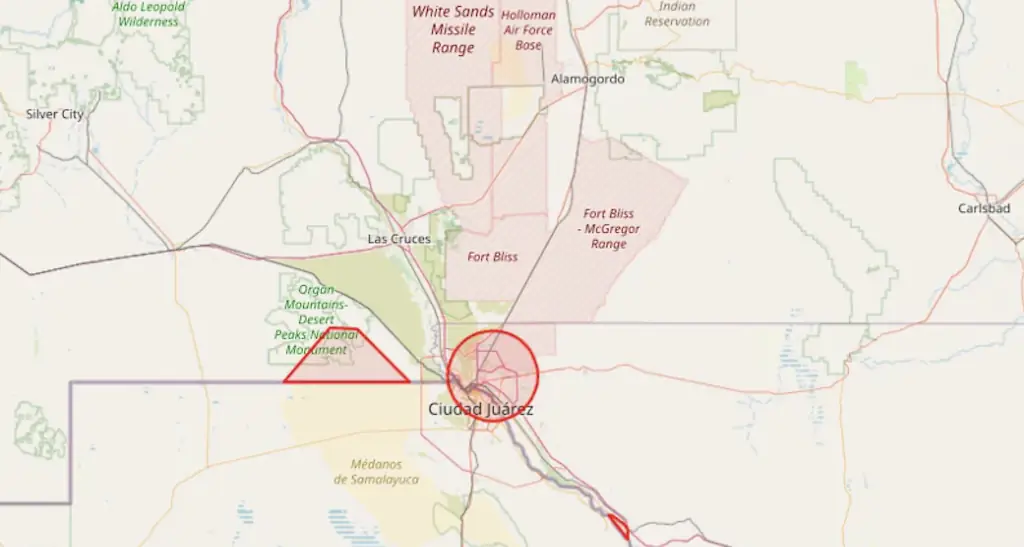
In an unexpected turn of events, the airspace over El Paso, Texas, was abruptly closed for 10 days, causing chaos in the city.
The closure was attributed to U.S. military operations against drones, including those allegedly operated by Mexican cartels.
However, the situation quickly became more complicated, with confusion and misinformation.
The closure lasted only hours after the initial announcement on Tuesday, but the fallout, both in terms of logistics and public reaction, lasted much longer.
The Official Narrative: Military Action Against Cartel Drones
The U.S. Department of Defense stated that the airspace closure was due to efforts to disable drones used by Mexican cartels, per BBC News.
These drones are increasingly being used along the U.S.-Mexico border for surveillance and, in some cases, to support human smuggling operations.
A Trump administration official confirmed this, saying: "Mexican cartel drones breached U.S. airspace. The Department of War took action to disable the drones."
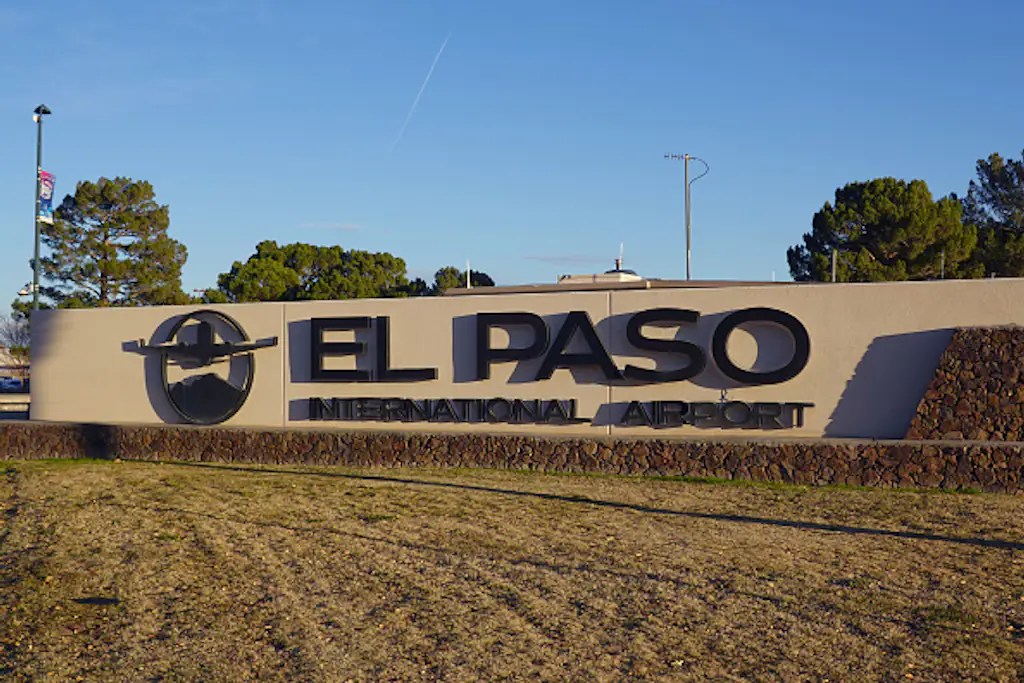
Reports from CBS News added another layer to the story, revealing that the military had been conducting a test of new counter-drone technology, specifically a high-energy laser, near a military base next to El Paso International Airport.
However, safety discussions with the Federal Aviation Administration (FAA) had been scheduled, and the military’s desire to test the technology earlier than planned led to an abrupt flight ban.
Transportation Secretary Sean Duffy later tweeted that the FAA and the Pentagon were responding to a cartel drone incursion, but the airspace restrictions were lifted soon after.
The Balloon That Caused a Stir
The confusion deepened when reports emerged that the object initially targeted by the U.S. military, which was believed to be a drone, was actually a party balloon.
Fox News reported that the object had raised concerns of a potential drone near the southern border, prompting military action.
However, the object was later determined to be harmless, a simple balloon. This misidentification led to questions about the handling of the situation and the rapid shutdown of airspace, especially given the collateral damage to civilian flights and medical evacuation operations.
El Paso Mayor Renard Johnson expressed his frustration, noting that the city was not informed in advance about the closure.
“What they were doing caused complete chaos,” he said. “People were confused. They didn’t know what to do.”
He also pointed out that the airspace shutdown disrupted critical medical flights, with evacuations rerouted to Las Cruces, New Mexico, and some surgical equipment deliveries failing to arrive in the city.
A Breakdown in Communication and the Fallout
The abrupt nature of the airspace restrictions left many questioning the U.S. government’s handling of the situation.
El Paso International Airport stated that it was given little warning about the closure. City officials and air traffic controllers were caught off guard, and some passengers were told by airlines that their flights were still scheduled to depart, even as the FAA had announced a halt to air travel.
"This was a major and unnecessary disruption, one that has not occurred since 9/11," Mayor Johnson emphasized.
He expressed concern that residents feared a military conflict could be on the horizon, pointing out that the disruption felt similar to the days following the 9/11 attacks, when airspace across the country was shut down.
“A drone does not rise to the level of 9/11,” he added, expressing his dissatisfaction with the prolonged closure.
Speculation and Diplomacy Amid Tensions
While the FAA later lifted the restriction, the confusion around the situation sparked widespread speculation, particularly regarding the potential for escalating tensions between the U.S. and Mexico.
Some theorized that the government’s actions might have been a signal of increased military action against Mexican drug cartels.
However, Mexican President Claudia Sheinbaum quickly denied that her government had any information indicating drone activity in Mexican airspace during the airstrike.
"If the FAA or any U.S. government agency has relevant information, they can ask directly the Government of Mexico," Sheinbaum stated.
The situation led to some conspiracy theories on social media, with some speculating about a broader military conflict between the two nations.
"It is significant that the U.S. shut down a major airport," said Mick Mulroy, a former U.S. Marine and CIA officer.
"If the purpose was for counter-drone activity related to cartel drones, it makes sense as the primary means to do so is through electronic warfare (EW). EW poses a real risk to civilian aviation. Therefore it was prudent to do so."