


US3 min(s) read
Instructions Trump has left in case Iran ever tries to assassinate him
.webp_SmgFsc?tr=cr-292.0.1244.952,f-webp,q-70,w-100)
In February 2025 - a whole year before Iran's Supreme Leader Ayatollah Ali Khamenei was killed - President Donald Trump made a stark statement regarding potential threats to his life from Iran.
Per CBS 42, at the time, Trump had signed an executive order aimed at applying maximum pressure on Tehran, a step designed to provide the U.S. with all necessary tools for engaging with the Iranian government.
Alongside this action, Trump expressed hopes that such measures would not have to be used extensively, adding that he desired a peaceful resolution where all parties could "live together."
However, in the event of an assassination attempt on his life, Trump made it clear that Iran would face severe repercussions. His words, now resurfacing following recent events, suggest that Iran would be completely destroyed should the country target him.
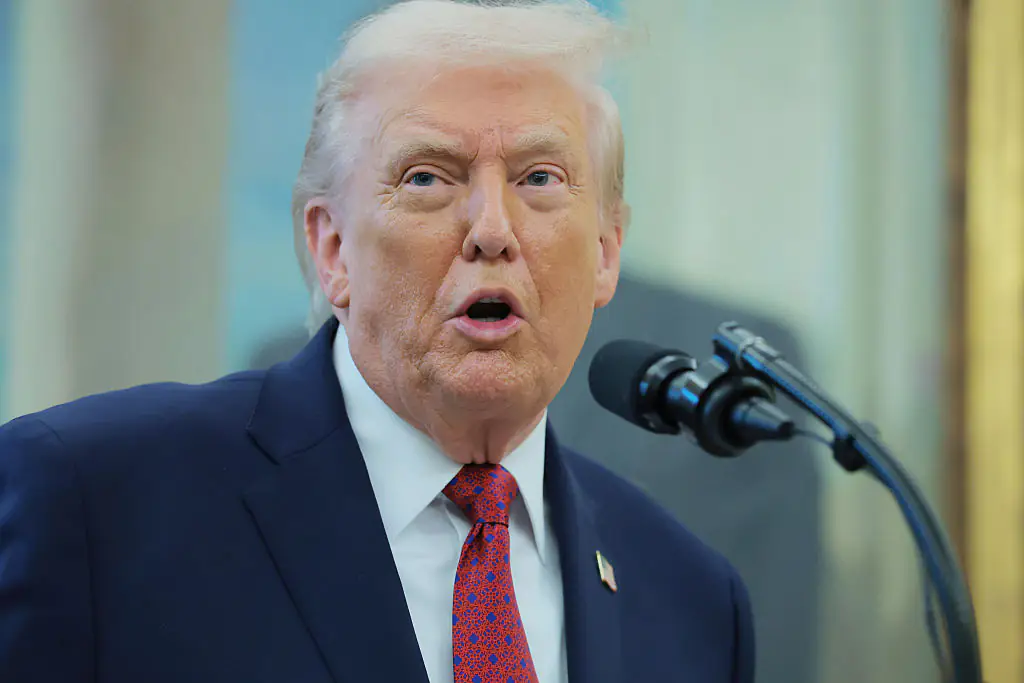
The remark has gained significant attention following the killing of Ayatollah Ali Khamenei on February 28, 2026, during a large-scale U.S. and Israeli airstrike campaign on Iran.
Trump’s 2025 statement on retaliation
In February 2025, during a discussion about Iran’s growing threats, Trump vowed that any attempt on his life by the Iranian government would lead to total annihilation. “They haven’t done that, and that would be a terrible thing for them to do. Not because of me - if they did that, they would be obliterated. That would be the end. I’ve left instructions; if they do it, they get obliterated, there won’t be anything left. And, they shouldn’t be able to do it,” Trump said.
His comments were made in the context of his broader strategy to apply "maximum pressure" on Iran, a strategy that aimed to force Tehran into negotiations. When asked why former President Joe Biden did not issue similar threats, Trump criticized Biden's approach, suggesting that the lack of such a declaration stemmed from "a lack of intelligence."
Ayatollah Khamenei’s death and its aftermath
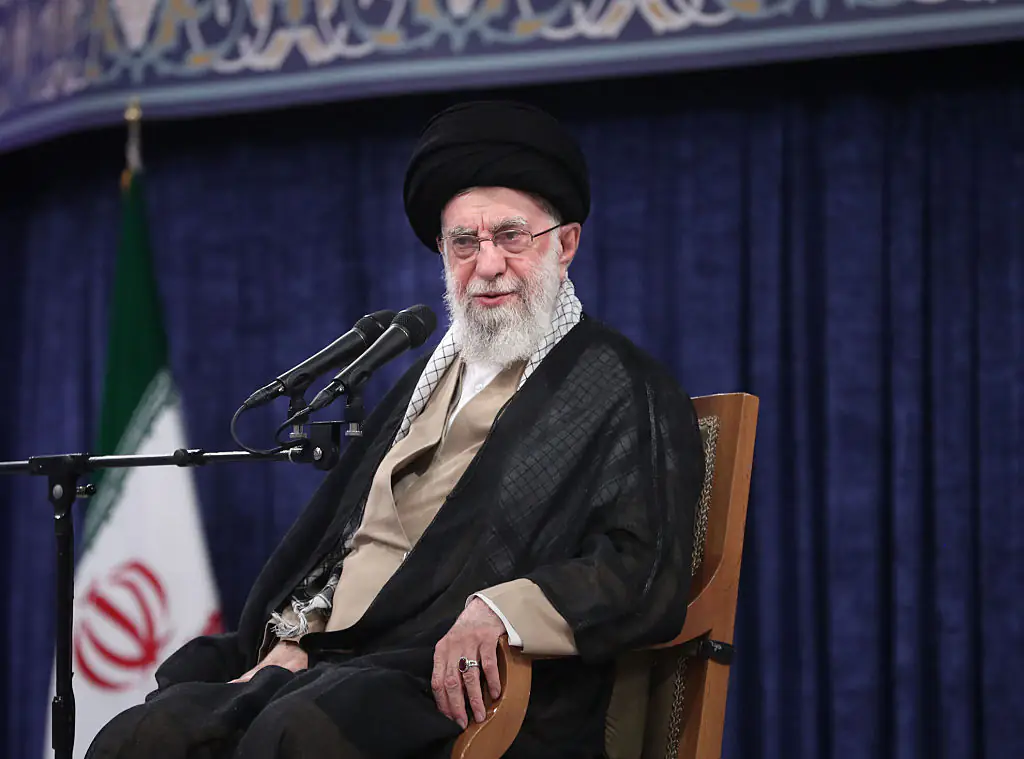
On February 28, 2026, Ayatollah Ali Khamenei, Iran’s supreme leader for over three decades, was killed in a violent strike on the first day of massive U.S. and Israeli air raids.
Khamenei, 86, had served as one of the longest-ruling leaders in the world and was central to the power structure in Iran. He had significant control over both domestic and foreign policy and was seen as the head of state and commander-in-chief of the Iranian military, including the elite Revolutionary Guards.
The sudden death of Khamenei, who had been a fixture of Iranian political life since the 1979 Islamic Revolution, marks a dramatic shift for the nation.
His death signals a period of uncertainty, both within Iran and in the broader Middle East. Khamenei’s influence had been felt throughout the country, with his image widely displayed in public spaces and his decisions deeply intertwined with the nation's political and military trajectory.