


US4 min(s) read
Iran begins new war tactic that could have devastating impact on world amid WW3 fears

Concerns are growing that the global economy could face serious disruption after intelligence reports suggested Iran may be using a new tactic in its ongoing conflict with the United States.
Tensions escalated between the nations after Donald Trump ordered a strike against Iran last month that reportedly killed Ali Khamenei, the country’s Supreme Leader.
Since then, both sides have exchanged a series of retaliatory attacks. Drone strikes targeted airports, U.S. embassies and major hotels across the Middle East, forcing flights to be cancelled and leaving thousands of travellers and U.S. nationals stranded in the region.
What is Iran's new tactic?
Despite Trump claiming the conflict is effectively over following a call with Vladimir Putin, new intelligence reports suggest Iran may be laying naval mines in a key global shipping route. Trump previously told CBS News that Iran had been severely weakened, saying the country had “no navy, no communications” and “nothing left in a military sense.”
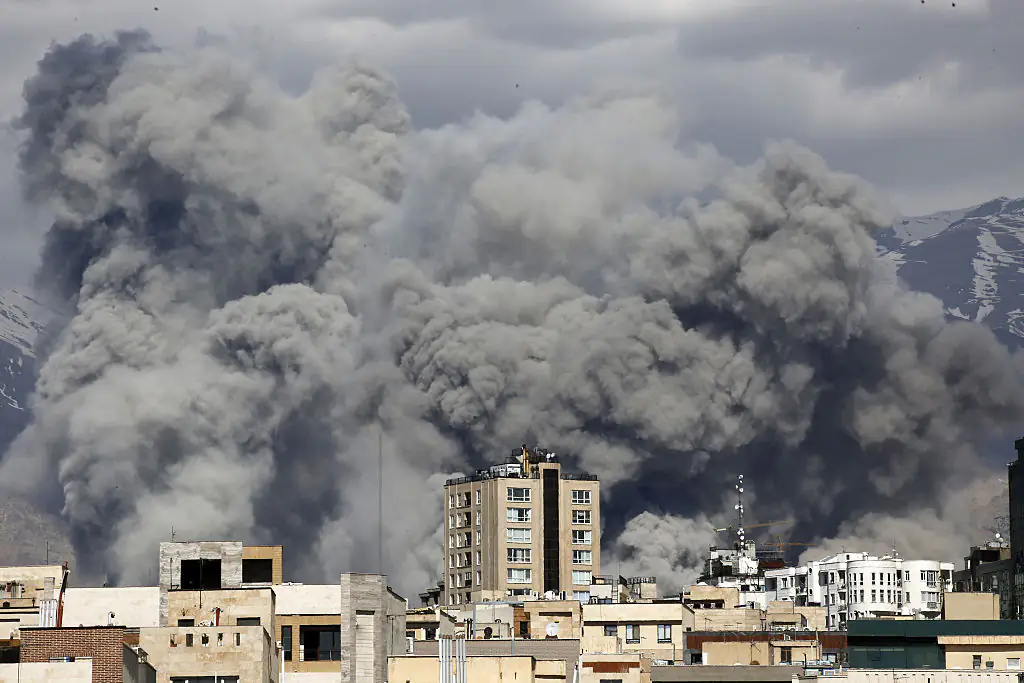
However, reports from CNN and The Guardian say the U.S. military destroyed 16 Iranian vessels believed to be laying mines near the Strait of Hormuz, a narrow waterway between Iran and Oman that is crucial to the global oil trade.
Intelligence officials reportedly believe Iran has already placed several dozen mines in the area and could deploy hundreds more. The threat has already alarmed commercial shipping companies, with some vessels reportedly avoiding the route. According to the BBC, two foreign oil tankers were damaged by explosions in the region on Thursday.
The Strait of Hormuz is one of the most fundamental energy routes in the world, with around 20 percent of global oil supplies passing through the channel. As tensions increased, oil prices surged to around $120 per barrel, according to analysts cited by Chatham House, with warnings that prices could climb as high as $150 the longer the fighting wages on.
How could it affect the energy market?
The ramifications could stretch far beyond the energy market. According to CNBC, roughly one-third of the world’s fertiliser trade also travels through the strait. That means food prices could rise globally if shipping is interrupted. Reports from Euronews suggest staple foods such as wheat, corn, bread, pasta and potatoes could become more expensive. Higher fertiliser and animal feed costs would also put pressure on the farming sector.
Other industries could feel the effects as well. Experts warn that petrochemicals transported through the strait are essential for producing pharmaceuticals and plastics. Menelaos Ydreos of the International Gas Union said the disruption could be much broader than simply oil and gas shortages.
Manufacturing supply chains could also suffer. Craig Geskey from logistics firm Traffix said materials including rubber, electronics, batteries and even sugar could face delays or shortages if the shipping route becomes unsafe.
The fashion industry may also be affected. Andrei Quinn-Barabanov from Moody’s warned that Asian clothing manufacturers rely heavily on petrochemicals transported through the strait to make synthetic fabrics, meaning clothing production could be disrupted.
Experts say the economic impact may begin to show relatively quickly. Geskey explained that shipping delays could become noticeable within 10 to 14 days, while more severe supply chain pressure might appear within two to five weeks if the waterway remains disrupted.
Trump has responded to the reports on his Truth Social account, saying that if Iran has placed mines in the Strait of Hormuz, they must be removed immediately. Shortly afterwards, U.S. Central Command released footage showing American forces destroying several vessels believed to be capable of laying mines in the area.
Attention has also turned to Kharg Island, which sits northwest of the strait and handles the vast majority of Iran’s oil exports, much of which goes to China. According to reports in The Independent, U.S. officials have discussed the possibility of seizing the island to block Iran’s oil exports entirely.
Military leaders have warned that the U.S. would respond forcefully if Iran attempts to disrupt shipping through the strait. Senior officials have suggested the U.S. Navy could be deployed to escort commercial vessels through the waterway if necessary.
Defense Secretary Pete Hegseth warned that if Iran tries to stop the flow of oil through the Strait of Hormuz, the United States would respond with substantially greater force than it has so far, adding that the U.S. would not allow the crucial shipping route to be held “hostage.”