Loading...
US3 min(s) read
celebrity4 min(s) read
us news4 min(s) read
Published 11:13 16 Aug 2024 GMT
us3 min(s) read
Published 10:12 19 Aug 2025 GMT
The woman known as the "ketamine queen," who became a central figure in the tragic death of actor Matthew Perry, had a haunting nickname for him before his passing.
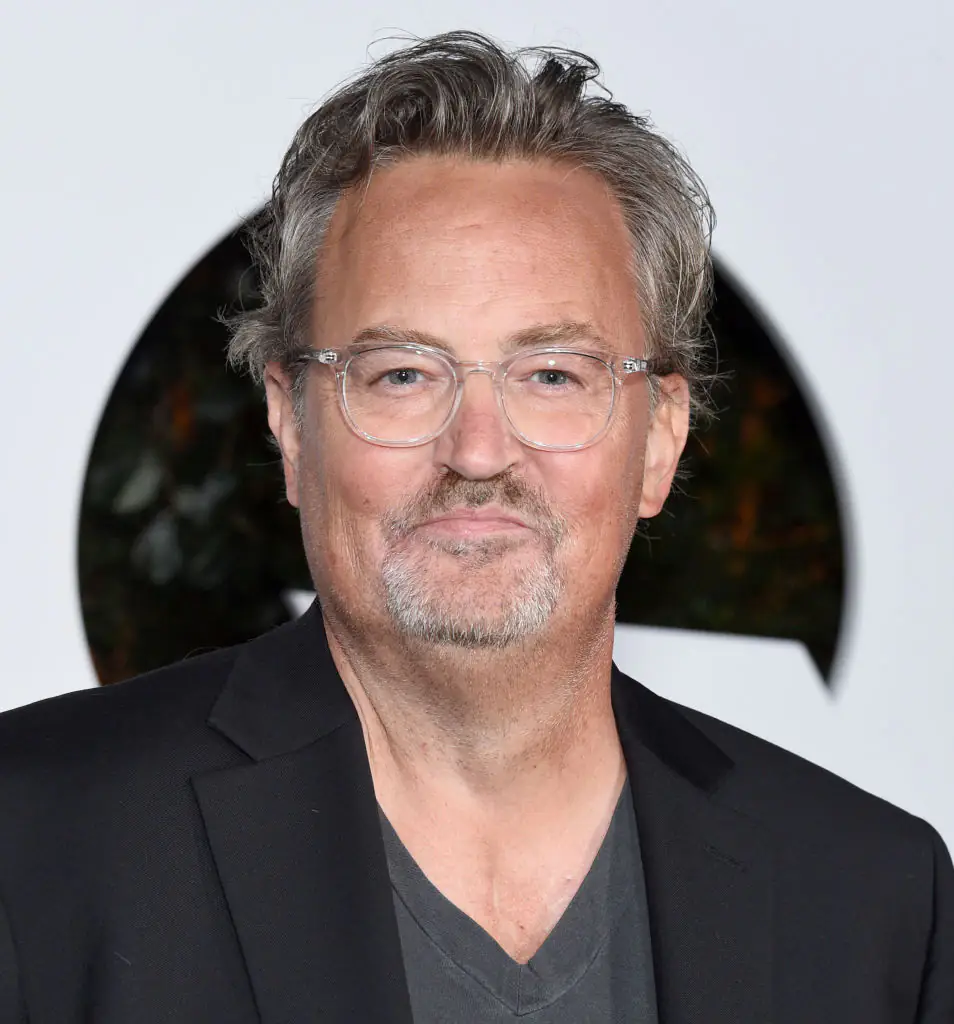
Perry passed away in October 2023 at the age of 54. He was found in the hot tub of his $6 million mansion in Pacific Palisades, Los Angeles, where his death was later attributed to the acute effects of ketamine - a powerful dissociative anesthetic with hallucinogenic effects.
Federal investigators allege that Jasveen Sangha, 41, was one of five individuals involved in providing the drug to Perry, who had struggled with addiction for years.
Sangha has been charged with conspiracy to distribute ketamine, maintaining a drug-involved premises, and multiple counts of distribution, including one charge for the distribution of ketamine resulting in Perry's death.
According to The Mirror, federal documents from the investigation reveal that Sangha referred to Perry using the name of his Friends character, Chandler Bing, in coded drug-related communications.
This startling detail emerged during the prosecution of Erik Fleming, an acquaintance of Perry’s, who pleaded guilty to charges related to the distribution of ketamine resulting in death.
The chilling connection underscores the exploitative nature of the relationship between Perry and his alleged suppliers.

Sangha is accused of running a "drug-selling emporium" from her home in North Hollywood, where authorities found more than 80 vials of ketamine and thousands of other pills, including methamphetamine, cocaine, and Xanax, during a raid in March 2024, per BBC News.
She is believed to have been supplying drugs to high-profile individuals, including celebrities, and operating within an underground Hollywood ketamine network.
The 17 Again actor had reportedly spent large sums of money, including handing over approximately $55,000 in cash to doctors and dealers, before his death.
The investigation also led to the indictment of several others, including medical professionals Dr. Salvador Plasencia and Dr. Mark Chavez, who allegedly sold ketamine to Perry. Kenneth Iwamasa, Perry’s live-in assistant, also faces charges for helping administer the drug.
All five individuals have agreed to plead guilty to various charges, with Sangha expected to face up to 65 years in prison.
Federal authorities have condemned the actions of those involved in Perry’s death, highlighting how his addiction was exploited for profit.
U.S. Attorney Martin Estrada remarked: “These defendants cared more about profiting off of Mr. Perry than caring for his well-being.”
"Matthew Perry's journey began with unscrupulous doctors who abused their position of trust because they saw him as a payday, to street dealers who gave him ketamine in unmarked vials," he added.
Sangha's social media presence painted a picture of an extravagant lifestyle, where she had lavish parties and mingled with celebrities at high-profile events like the Golden Globes and the Oscars, despite the dark reality of her alleged criminal activities.
As part of her plea agreement, Sangha has admitted to selling ketamine to other individuals, including one man, Cody McLaury, who tragically died in 2019 from a ketamine overdose.
The widespread availability of ketamine has raised significant concerns among authorities. Initially used only by medical professionals, it has found its way into the hands of recreational users and celebrities, contributing to the growing number of overdoses.
As Perry’s death reveals, the drug’s use is often unchecked, with devastating consequences.
Sangha is expected to formally enter her guilty plea in federal court in the coming weeks, marking another step in the ongoing legal reckoning for those responsible for the late Friends' star untimely death.
Published 10:40 16 Dec 2023 GMT
A year before his untimely death, Matthew Perry opened up about the severe effect ketamine had on him.
On October 28, devastating news broke that the Hollywood star - widely recognized for his role as Chandler Bing in the hit sitcom Friends - tragically passed away at age 54.
First responders arrived at Perry's Los Angeles home around 4:00PM, and discovered him unresponsive in a hot tub before he was later declared dead, The Los Angeles Times reported.
In their statement to People, the late actor's family shared their heartbreak, saying: "We are heartbroken by the tragic loss of our beloved son and brother. Matthew brought so much joy to the world, both as an actor and a friend. You all meant so much to him, and we appreciate the tremendous outpouring of love."
At the time of his passing, law enforcement informed the LA Times that no drugs were discovered at the scene, and stated that no foul play was involved in the star's untimely passing.
The 17 Again actor's official cause of death has now been confirmed, as reported by TMZ.
According to the toxicology report from the Los Angeles County Medical Examiner’s Office, Perry died from "the acute effects of ketamine," a substance that is used to treat depression and is also used as a recreational drug.
The report revealed that Perry had been undergoing ketamine infusion therapy before he died, reportedly for depression and anxiety. The exact method of intake has not been determined.
The toxicology report goes on to state: "At the high levels of ketamine found in his postmortem blood specimens, the main lethal effects would be from both cardiovascular overstimulation and respiratory depression."
In addition to this, contributory factors in Perry's death also included drowning, coronary artery disease, and buprenorphine effects - which is an opioid medication used to treat pain and opioid addiction.
The manner of death was ruled an accident.
The Whole Nine Yards star candidly spoke about his use of ketamine in his 2022 memoir, Friends, Lovers, and the Big Terrible Thing, and revealed that he'd begun ketamine therapy in a rehab clinic in Switzerland during the COVID-19 pandemic.
"Ketamine was a very popular street drug in the 1980s. There is a synthetic form of it now, and it’s used for two reasons: to ease pain and help with depression. Has my name written all over it — they might as well have called it ‘Matty,'" he wrote.
Perry explained the effects of the drug, penning: "Ketamine felt like a giant exhale. They’d bring me into a room, sit me down, put headphones on me so I could listen to music, blindfold me, and put an IV in."
He wrote about how he’d "dissociate" on ketamine and that he "often thought that I was dying during that hour," adding: "Oh, I thought, this is what happens when you die. Yet I would continually sign up for this s**t because it was something different, and anything different is good."
"Taking K is like being hit in the head with a giant happy shovel. But the hangover was rough and outweighed the shovel. Ketamine was not for me," he concluded.
The toxicology report stated that the half-life for ketamine is only "3 to 4 hours or less", this could most likely mean that Perry had taken the drug very recently, and "could not be from that infusion therapy".
Published 11:42 17 Dec 2023 GMT
An ex-girlfriend of Matthew Perry has called for his doctors to be investigated after a toxicology report revealed the actor took ketamine before his death.
Nearly two months ago, the beloved actor - widely recognized for his role as Chandler Bing in the popular sitcom Friends - tragically passed away at age 54 after he was found unresponsive in a hot tub at his Los Angeles home by first responders.
At the time of his passing, law enforcement informed the Los Angeles Times that no drugs were discovered at the scene, and stated that no foul play was involved in the star's untimely passing.
However, this past week, Perry's official cause of death was confirmed, and it was disclosed in a toxicology report from the Los Angeles County Medical Examiner’s Office that he died from "the acute effects of ketamine".
Ketamine is used as an anesthetic by medical doctors and veterinarians and is also used illegally as a recreational drug.
The Alcohol and Drug Foundation (ADF) defined it as a "dissociative drug," which means it causes people to feel "separated or detached" from their bodies or physical surroundings.
The toxicology report revealed that the 17 Again actor had been undergoing ketamine infusion therapy before he died, reportedly for depression and anxiety. The exact method of intake has not been determined.
The report goes on to state: "At the high levels of ketamine found in his postmortem blood specimens, the main lethal effects would be from both cardiovascular overstimulation and respiratory depression."
In addition to this, contributory factors in Perry's death also included drowning, coronary artery disease, and buprenorphine effects - which is an opioid medication used to treat pain and opioid addiction.
The manner of death was ruled an accident.
Even though ketamine works quickly, the effects wane after a few days or weeks.
This could most likely mean the drugs used for The Fool's Gold actor's therapy were unlikely the cause of his passing as the half-life of the drug in the system is around three to four hours or less, the report said.
Perry's ex-girlfriend Kayti Edwards - who worked as his assistant in 2011 at the height of his drug addiction - has said she had lots of unanswered questions about the toxicology report.
Edwards, who was in a relationship with the actor in 2006, said that she did not believe he bought ketamine from the street.
"I'm pretty sure that in Matthew's brain, ketamine infusions at a doctor's would count as still being sober," she told The US Sun. "In his brain, it's not the same as going on the street to buy crack or heroin."
The former assistant said she felt that the treatment would have pushed him back to doing drugs beyond the doctor's office, saying: "That probably was the stepping stone for him to go back to doing drugs."
"I think the doctors who had been working with Matthew should be investigated," she criticized. "I'm pretty sure he would have had an in with a doctor. It's very hard to get ketamine on the street but it is very easy for a doctor or a nurse to get."
The actor's final post on Instagram - which was uploaded just five days before he died - was an eerie picture of him in a hot tub with headphones on. He captioned the image: "Oh, so warm water swirling around makes you feel good? I'm Mattman."
The mom-of-four, who last spoke with the star last year after he published his 2022 memoir Friends, Lovers, And The Big Terrible Thing, revealed that she was not surprised that he was found dead in the hot tub.
"I wasn't surprised when the medical examiner's report dropped," she told the publication. "I already knew what it was, so it wasn't shocking to me."
"I wasn't there so I don't know exactly what happened but I do know Matthew as a person and a friend and I know the patterns that led up to this. I could see it from a mile away, he didn't seem right during the last couple weeks of his life."
"The sober people who knew him have never hung out with him when he was getting high so they wouldn't know the signs," she added.
Published 15:32 16 Dec 2023 GMT
Nearly two months ago, the world of entertainment was left in shock after it was reported that the beloved Matthew Perry tragically passed away at age 54.
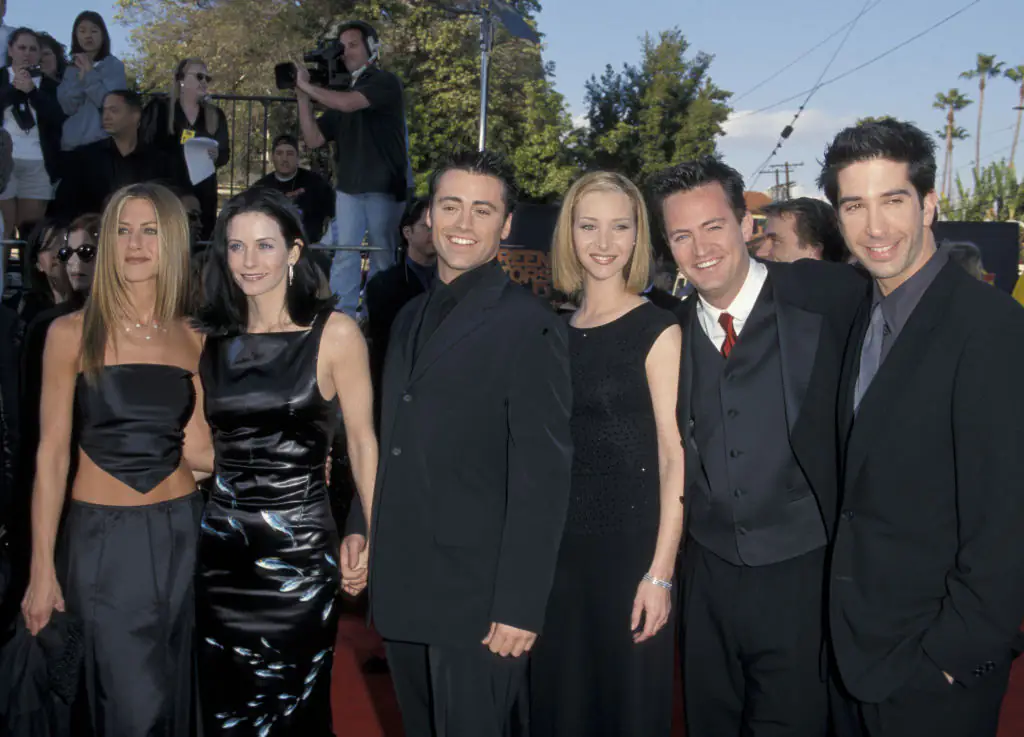
The Hollywood star was widely recognized for his role as Chandler Bing in the popular sitcom Friends, which featured a star-studded cast including Lisa Kudrow, Courteney Cox, David Schwimmer, Matt Le Blanc, and Jennifer Aniston.
The Los Angeles Times reported that on Saturday, October 28, Perry was found unresponsive in a hot tub at his Los Angeles home by first responders.
His heartbroken family issued a brief but poignant statement, writing: "Matthew brought so much joy to the world, both as an actor and a friend. You all meant so much to him, and we appreciate the tremendous outpouring of love."
Perry died in October at the age of 54. Credit: Alex B. Huckle/GettyThe 17 Again actor's official cause of death was revealed this week, as reported by TMZ.
A toxicology report from the Los Angeles County Medical Examiner’s Office disclosed that Perry sadly died from "the acute effects of ketamine," a substance that is used to treat depression and is also used as a recreational drug. The manner of death was ruled an accident.
The report shared that the star had been undergoing ketamine infusion therapy before he passed, reportedly for depression and anxiety. The exact method of intake has not been determined.
The toxicology report goes on to state: "At the high levels of ketamine found in his postmortem blood specimens, the main lethal effects would be from both cardiovascular overstimulation and respiratory depression."
In addition to this, contributory factors in Perry's death also included drowning, coronary artery disease, and buprenorphine effects - which is an opioid medication used to treat pain and opioid addiction.
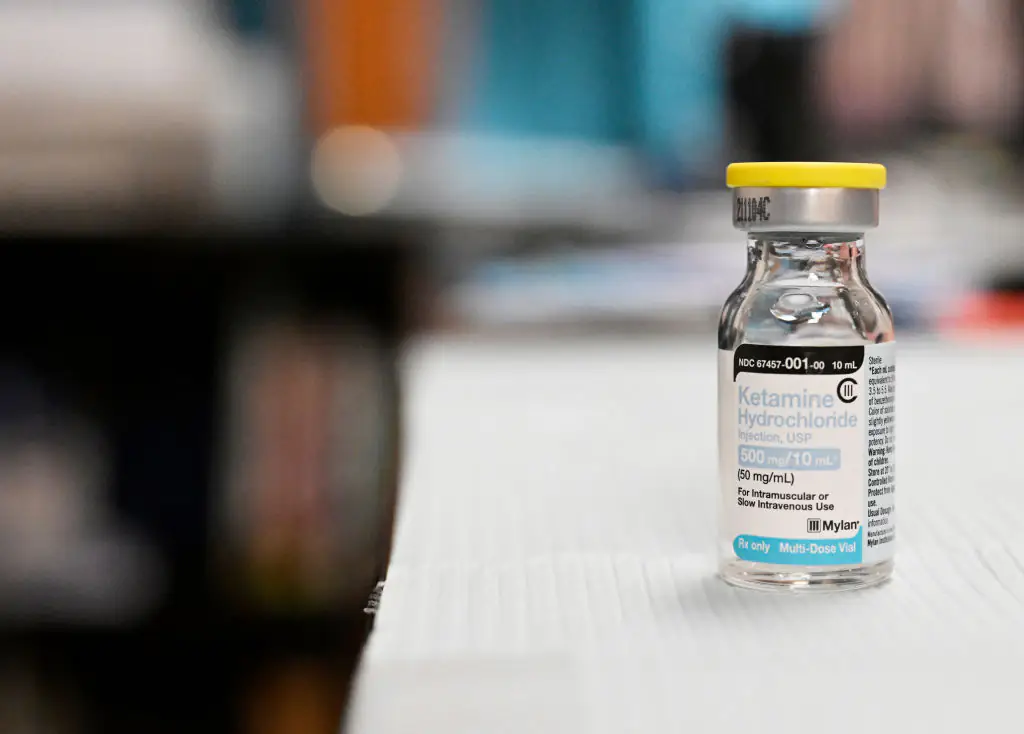
Perry died from "the acute effects of ketamine," a drug that is used to treat depression Credit: RJ Sangosti/MediaNews Group/The Denver Post / GettyWhat is ketamine?The substance is used as an anesthetic by medical doctors and veterinarians and is also used illegally as a recreational drug.
The Alcohol and Drug Foundation (ADF) defines it as a "dissociative drug," which means it causes people to feel "separated or detached" from their bodies or physical surroundings.
In 2006, researchers at the National Institutes of Health demonstrated that a dose of ketamine could reduce severe depression in a matter of hours. In comparison to other treatments, they often take weeks to ease the condition and don't work for every patient.
However, at high doses, the drug can cause negative health issues that affect cardiovascular, respiratory, and neurologic function, which can be deadly, according to the American Addiction Centers.
Some of the dangers include increased blood pressure, poor muscle control, breathing, addiction, amnesia, seizures, problems with judgment and coordination, and lower urinary tract irritation.
The drug can also cause hallucinations and change people's thoughts and emotions. Perry opened up about this in his 2022 memoir, Friends, Lovers, and the Big Terrible Thing, hauntingly revealing that he'd "dissociate" on ketamine and adding that he "often thought that I was dying during that hour".
"Oh, I thought, this is what happens when you die. Yet I would continually sign up for this s**t because it was something different, and anything different is good," he penned. "Taking K is like being hit in the head with a giant happy shovel. But the hangover was rough and outweighed the shovel. Ketamine was not for me."
Perry had been undergoing ketamine infusion therapy before he passed. Credit: Kevin Winter / GettyResearch has shown that even though ketamine works quickly, the effects wane after a few days or weeks.
In Perry's case, he was using ketamine infusion therapy for depression and anxiety, with the most recent infusion provided a week and a half before his untimely death, his toxicology report stated.
But, the ketamine used for that therapy was unlikely the cause of The Fool's Gold actor's passing as the half-life of the drug in the system is around three to four hours or less, the report said.
It's unclear still how or when Perry received more ketamine in the hours before he died.
Published 14:07 15 Aug 2024 GMT
A person was arrested in Southern California on Thursday in connection with the accidental overdose death of actor Matthew Perry, according to law enforcement sources cited by NBC News.
Perry, 54, was discovered unresponsive in the heated section of a pool at his Pacific Palisades residence on October 28, 2023. The Los Angeles County Medical Examiner’s Office determined that his death was due to the acute effects of ketamine, a drug typically used as an anesthetic with psychedelic properties.
In May, Los Angeles police announced that they were collaborating with federal authorities to investigate the origin of the ketamine that Perry had ingested.
Ketamine has long been popular as a party drug, but in recent years, it has gained recognition as a potential treatment for depression, with an increasing number of clinics offering it as an infusion or injection for various mental health conditions.
Perry had been receiving ketamine infusion therapy for depression and anxiety, although his last session occurred more than a week before his death. The medical examiner noted that the ketamine found in Perry’s system "could not be from that infusion therapy" due to the drug’s short half-life.
The concentration of ketamine in Perry’s body was significantly high—comparable to levels used for general anesthesia during surgery, according to the medical examiner. The coroner ultimately ruled his death as accidental, citing contributing factors such as drowning, coronary artery disease, and the effects of buprenorphine, a medication used to treat opioid use disorder.
Perry, who was best known for his role as Chandler Bing on "Friends," had been open about his prolonged battle with opioid addiction and alcoholism, which he detailed in his 2022 memoir, "Friends, Lovers, and the Big Terrible Thing." However, at the time of his death, he had been sober for 19 months, according to the medical examiner’s report.
It is not uncommon for law enforcement to investigate and, in some cases, charge individuals who provided drugs that led to a high-profile death.
For example, after Michael Jackson's death in 2009, his personal physician, Dr. Conrad Murray, was convicted of involuntary manslaughter for administering a fatal dose of potent drugs. More recently, federal prosecutors in New York charged four men with supplying actor Michael K. Williams with the fentanyl-laced heroin that resulted in his death in 2021.