


US5 min(s) read
Neuroscientist explains why horror Florida Learjet crash left almost no wreckage and addresses major theory

A neuroscientist has explained why the Learjet 60 that crashed in Florida left almost no wreckage and addressed a major theory that emerged after the tragedy.
The Bahamas-bound private aircraft, which departed from Austin-Bergstrom International Airport in Texas, plunged from an altitude of approximately 35,000 ft before crashing into the ground and erupting into flames near Greenacres on Sunday (November 1).
The victims included tech CEO Adam Robinson, 44, his wife Helen Sharp, their four-year-old daughter Emma, and their two-year-old son Charlie.
The family was traveling with their nanny, Anita Maria Apellido Cetina, and two close friends, Rachael Reed and Charmi Fehr.
The aircraft's captain, 55-year-old Jeff Gregory, and 20-year-old co-pilot Nathalia Gadelha Filgueiras also tragically died.
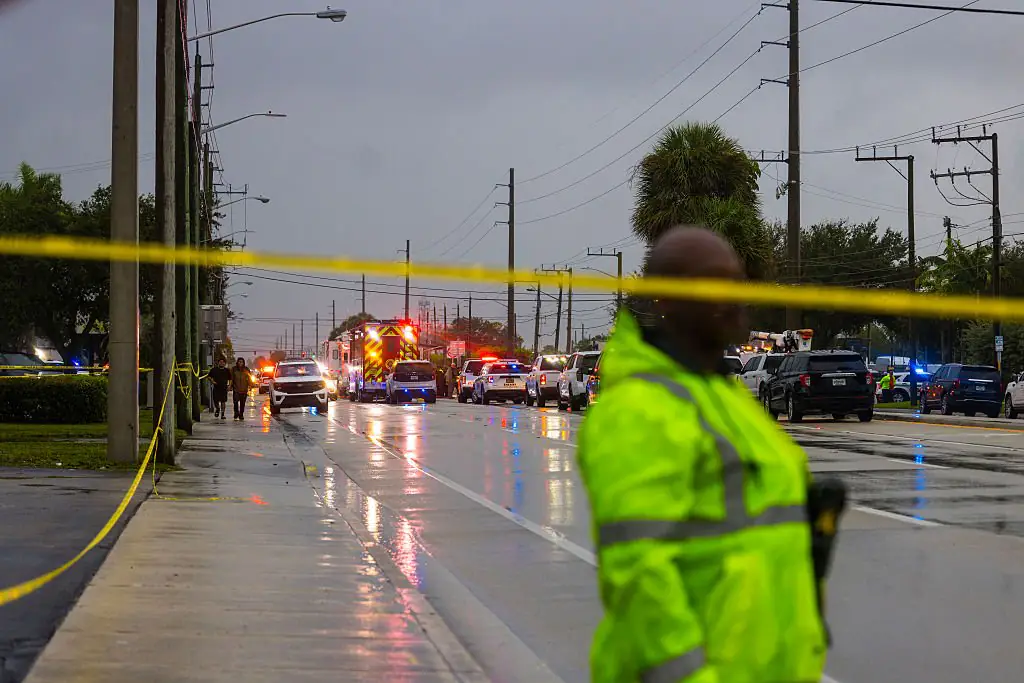
A neuroscientist explains why little recognizable wreckage remained
Derek Van Schaik, a neuroscientist with Master's degrees in Psychology and Forensic Psychology, shared a video examining the tragedy.
In the clip, he explained that some people had questioned why such a large aircraft appeared to leave behind little recognizable wreckage.
"Those who claim it was a missile point to how it crashed with the angle and speed and the lack of large recognizable airplane parts at the crash site," he said.
He argued that the extraordinary forces in a high-speed aircraft impact explain why so few recognizable components might remain at the impact point.
Unlike everyday solid objects, aircraft use lightweight materials designed to withstand flight demands, not near-vertical impact with the ground.
"Aircraft is constructed primarily from lightweight materials, and when it crashes into the ground at 360 mph...it immediately gets crushed and then explodes due to the large amount of jet fuel on board," he said.
"This double whammy causes the aircraft to break apart into millions of small fragments, leaving wreckage that bears little resemblance to an airplane or even airplane parts," he added.

Why the crash sparked conspiracy theories
Van Schaik suggested that people may struggle to understand how such a big object could be destroyed almost instantaneously.
"Psychologically, it's difficult for many of us to understand this because we have little everyday experience with such extreme forces," he said.
"Making it difficult to imagine how a large aircraft could instantaneously break apart into millions of small pieces in just a fraction of a second."

Neuroscientist offers explanation for co-pilot's final radio transmission
In the same video, the neuroscientist examined the final communications between the Learjet's crew and air traffic control.
The recordings captured urgent distress calls as the aircraft lost altitude at an alarming rate.
At one point, co-pilot Filgueiras could be heard yelling: "Look outside."
Van Schaik noted: "First, it's interesting that Nathalia is communicating a flight deck conversation to ATC (Air Traffic Control). However, this is what makes this crash so unique. This type of pilot-to-co-pilot conversation is usually only found after listening to the flight voice recorder.
"But since she was holding down the push-to-talk button, we're hearing all of this because it's available live and immediately as public information," he added.
He suggested that Filgueiras had continued holding down the aircraft's push-to-talk button, allowing the exchange to be transmitted over the radio.
"But why was she holding down that push-to-talk button?" he asked.
One possibility he suggested was that the co-pilot had become so focused on the unfolding emergency that she did not realize she was continuing to transmit.
"Under intense stress, our attention narrows, making us less aware of less significant actions like maintaining our grip, holding down a push-to-talk button," Van Schaik said.
But that's not all, as he further said: "She may have deliberately kept transmitting in hope that ATC could somehow help or subconsciously understand the importance of leaving a clear record of what was happening before they sadly crashed."
He played the audio once again and pointed out that the 20-year-old shrieks as she starts to understand what their fate will be.
"Keep in mind, they are the flight crew responsible for the health and safety of everyone on board, and realizing that there are seven passengers, two of which are very young children," he added.
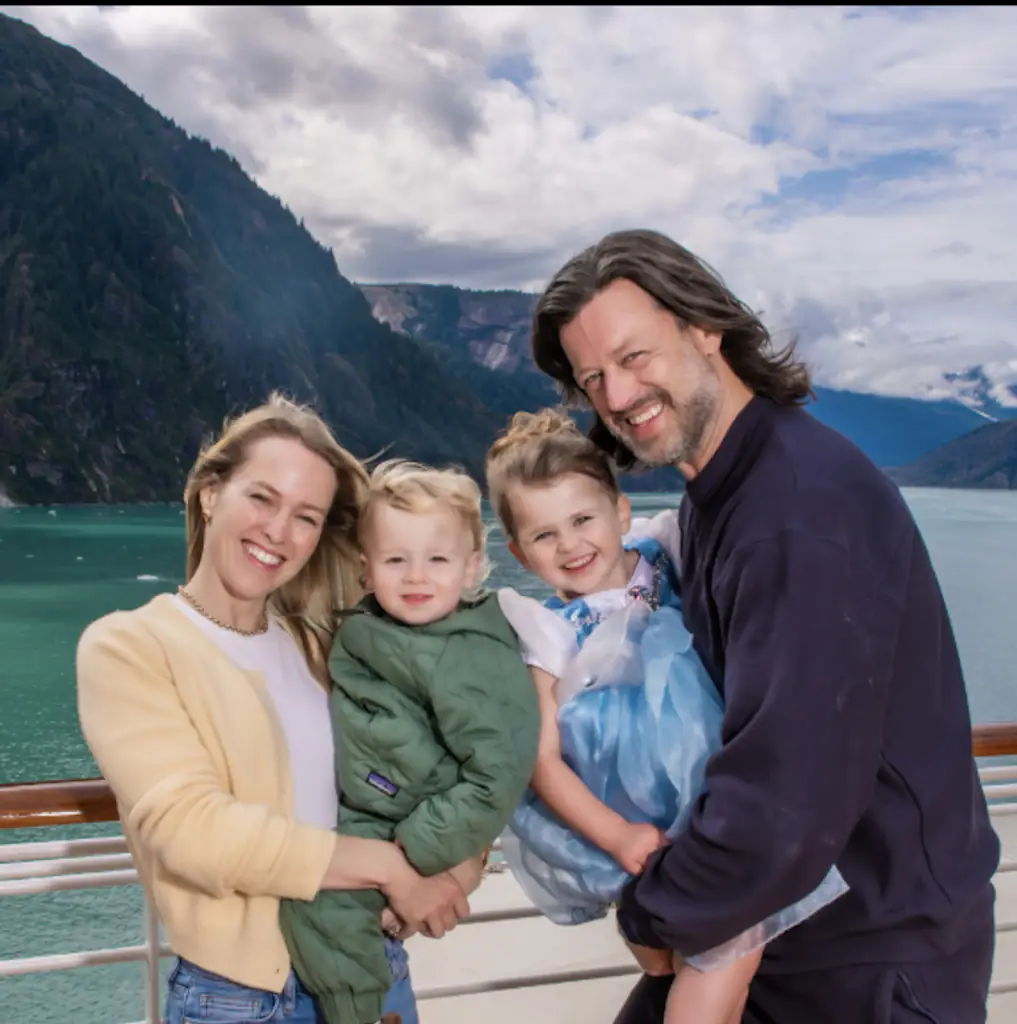
Investigators discover crucial aircraft wreckage nearly four miles from the crash site
On Tuesday (November 3), NTSB member Tom Chapman revealed that investigators had recovered important pieces of the Learjet's tail several miles from where it crashed.
Most of the aircraft's left elevator was located in three separate pieces, scattered between 1.3 miles and 3.8 miles from the impact site, near West Palm Beach.
"What that means exactly, in terms of what caused the aircraft to lose control, or whether the loss of this piece was a result of the forces on the aircraft, we don’t know yet," Chapman said at a news conference, per The Guardian.
He said that without the elevator intact, the pilot would not have been able to pull the aircraft out of its nosedive.
"At those speeds I don’t know that it would’ve been effective even if it had still been attached to the aircraft, but knowing that it was lost is a very important piece of evidence in terms of pointing us toward other things to investigate," he added.