


US5 min(s) read
New airport 'DNA' law now in effect at US airports and it could have huge effect on travelers

A major change just hit US airports, and it could have a massive impact on foreign travelers entering or leaving the country.
On December 26, new rules went into effect allowing US authorities to collect a wide range of biometric data from non-citizens, The Sun reported.
The new policy, rolled out just ahead of one of the busiest travel days of the year, marks a significant expansion in airport security procedures.
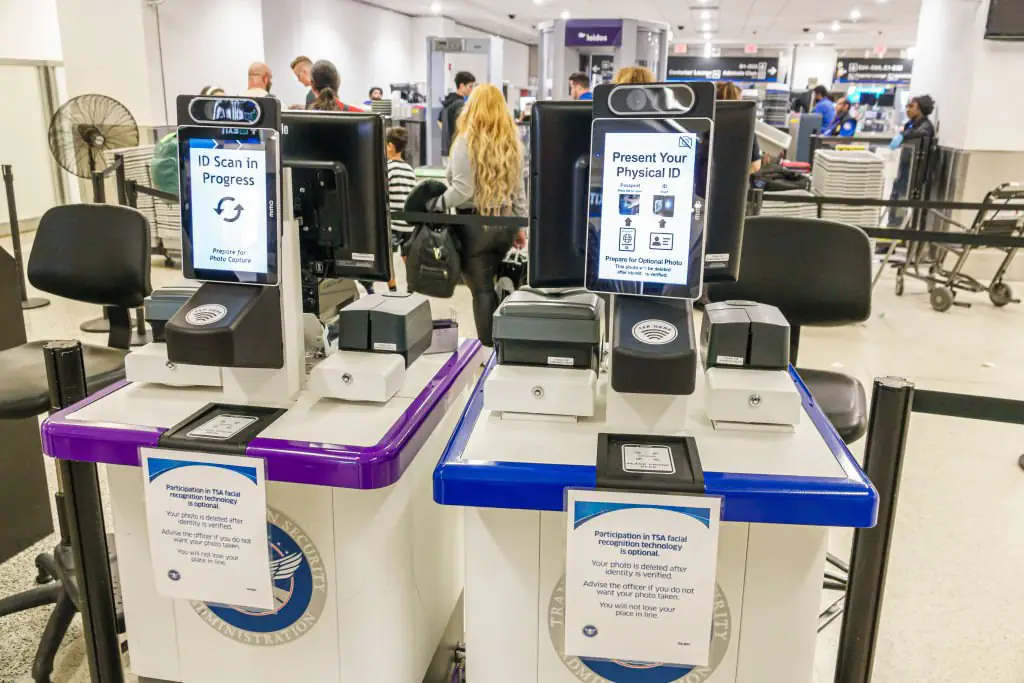
Under the new Department of Homeland Security (DHS) rule, non-citizens passing through US borders are now required to undergo facial recognition scans, which will be stored for up to 75 years.
Officials may also request additional biometric information like fingerprints or even DNA, depending on the situation.
The updated security measures are meant to "deter the filing of frivolous claims and provide operational consistency,” government officials said in a statement.
No more age limits, no more exemptions
Previously, travelers under 14 and over 79 were exempt from facial recognition scans, but this has changed as the new rules scrap those age-based exclusions entirely.
Diplomats and most Canadian visitors were also previously exempt, but that’s now changed as well, according to the Daily Mail.
The Department of Homeland Security confirmed that these groups will also be subject to the same biometric protocols going forward.
Facial recognition is already in use at 238 airports across the country, according to US Customs and Border Protection (CBP), but this marks the first time such measures are legally mandated on such a broad scale.
"This final rule marks a major milestone towards our efforts to successfully implement the Biometric Entry/Exit mandate and strengthen the security of the United States," said Diane J. Sabatino, acting executive assistant commissioner of CBP's field operations office.
She added that increased funding would help “expand facial biometrics and advanced technology for identity verification to further secure and innovate the entry/exit process at air, land, and sea".
For US citizens, participation in the program remains optional. They can opt out by notifying a CBP officer or airline rep, after which they’ll undergo a manual passport check instead.
Per the DHS, any photos taken of US citizens are deleted within 12 hours. For non-citizens, images are stored in the agency’s biometric identity system for decades.
Travelers warned to expect longer lines, higher scrutiny
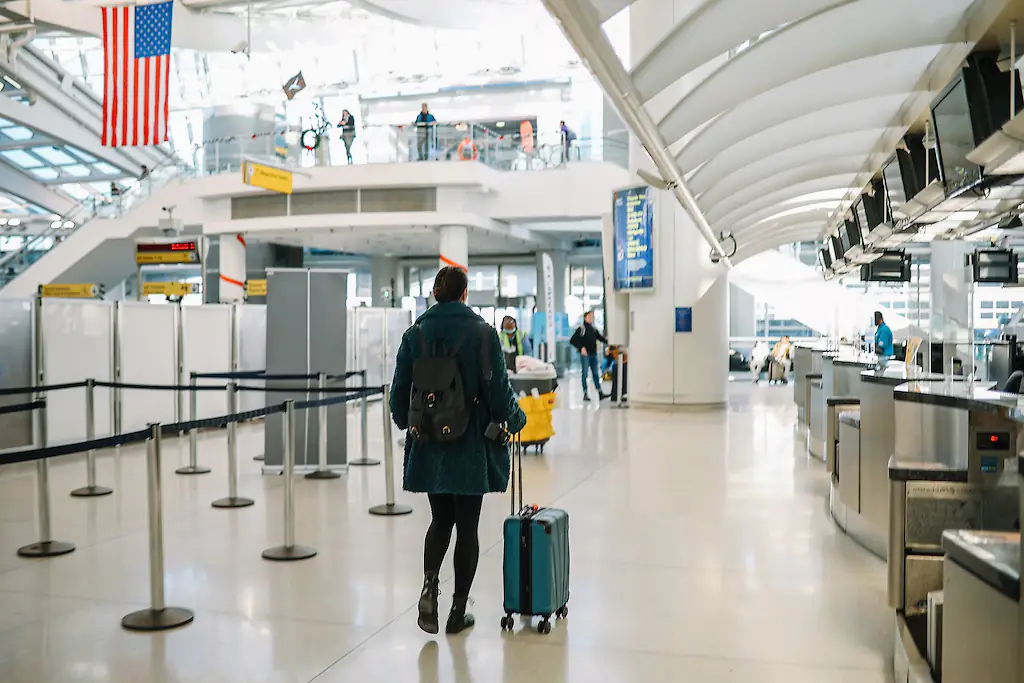
The timing of the new rules couldn’t be more hectic as according to United Airlines, December 27 and 28 are expected to be among the busiest travel days of the year, with nearly 2.9 million travelers anticipated on December 28 alone, per TSA projections.
Travelers are now being urged to brace for even longer wait times at security checkpoints.
“You will probably be waiting an extra-long time in the security line this Christmas,” said Ivaylo Danailov, CEO of SkyRefund. “There are going to be many more people than normal carrying much more stuff than usual for the Christmas season, both of which result in longer security waits.”
He also warned holiday travelers about TSA’s strict rules on gifts: “It doesn’t matter what you have wrapped, or how nicely, the TSA will unwrap anything to get a good look at it and are not always gentle in the process.”
Privacy backlash begins
While officials argue the new measures will help detect visa fraud, prevent illegal reentries, and identify criminals, critics aren’t sold.
A letter sent to Homeland Security Secretary Kristi Noem, signed by 50 members of Congress, including Alexandria Ocasio-Cortez and Jasmine Crockett, slammed the policy as invasive and potentially dangerous.
“Biometric identifiers are permanent and cannot be changed if compromised, making the risks of misuse or breach uniquely severe, irreversible, and lifelong,” the lawmakers wrote.
Jeramie Scott, a lawyer with the Electronic Privacy Information Center, also raised concerns in an interview with The New York Times: “The ease of implementation is what, in part, makes facial recognition such a dangerous technology to implement at such a broad scale...The government will seek to expand its use.”

The expansion follows a long push from Donald Trump’s administration, which began calling for an expedited biometric entry-exit system in 2017.
By 2020, the DHS had already proposed requiring facial scans from all foreign nationals. Now, that proposal has become reality.
And more changes may be coming as a separate federal proposal published December 10 suggests the US could soon require incoming visitors to provide a five-year history of social media accounts, email addresses, phone numbers, and even family member data.
That notice also includes “face, fingerprint, DNA, and iris” under biometric categories.
The public has until February 9, 2026, to comment on that proposal.