


US4 min(s) read
New video footage from different angle reveals more about latest ICE shooting in Minneapolis
.jpg_I4Ebof?tr=cr-0.338.2730.3068,f-webp,q-70,w-100)
Minneapolis has been rocked again by another fatal shooting involving federal immigration agents, intensifying anger, protests and political backlash across the city.
The incident happened early on Friday morning during an immigration enforcement operation, marking the latest flashpoint in a city already on edge following weeks of demonstrations against federal activity.
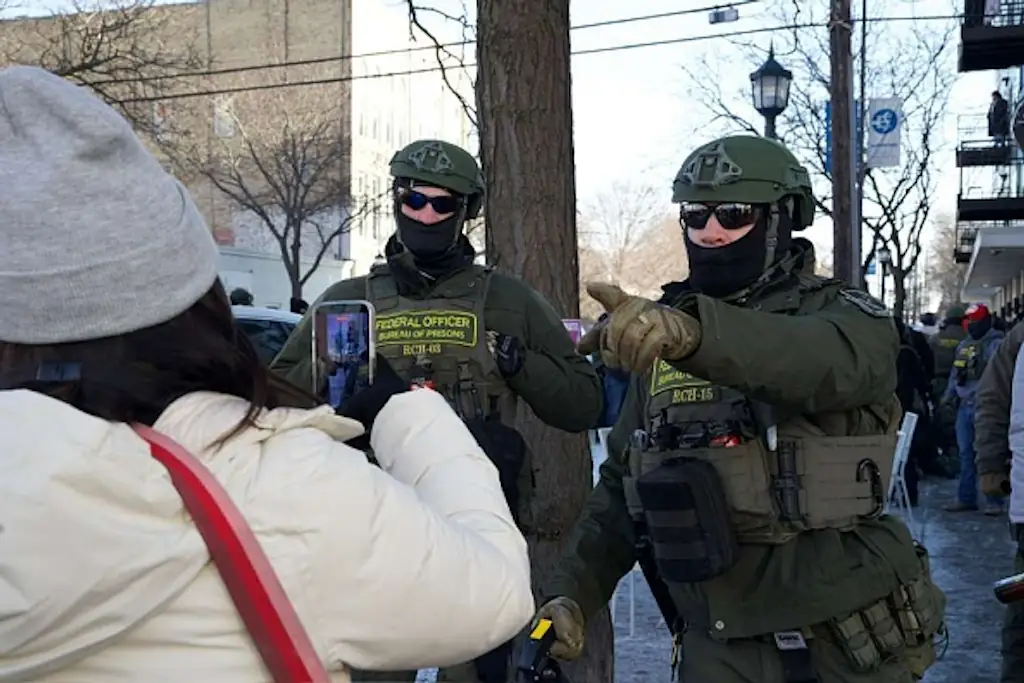
According to officials, agents from U.S. Border Patrol were involved in a confrontation with a man near Nicollet Avenue in south Minneapolis.
Federal authorities say the man was armed with a handgun and that agents fired after attempts were made to disarm him. He was later pronounced dead at the scene.
Local police have confirmed the man was a 37-year-old Minneapolis resident.
While his identity has not been publicly released, officials say he is believed to have been a US citizen and a lawful gun owner, with no serious criminal history.
Minneapolis police were not involved in the shooting itself but responded shortly afterwards.
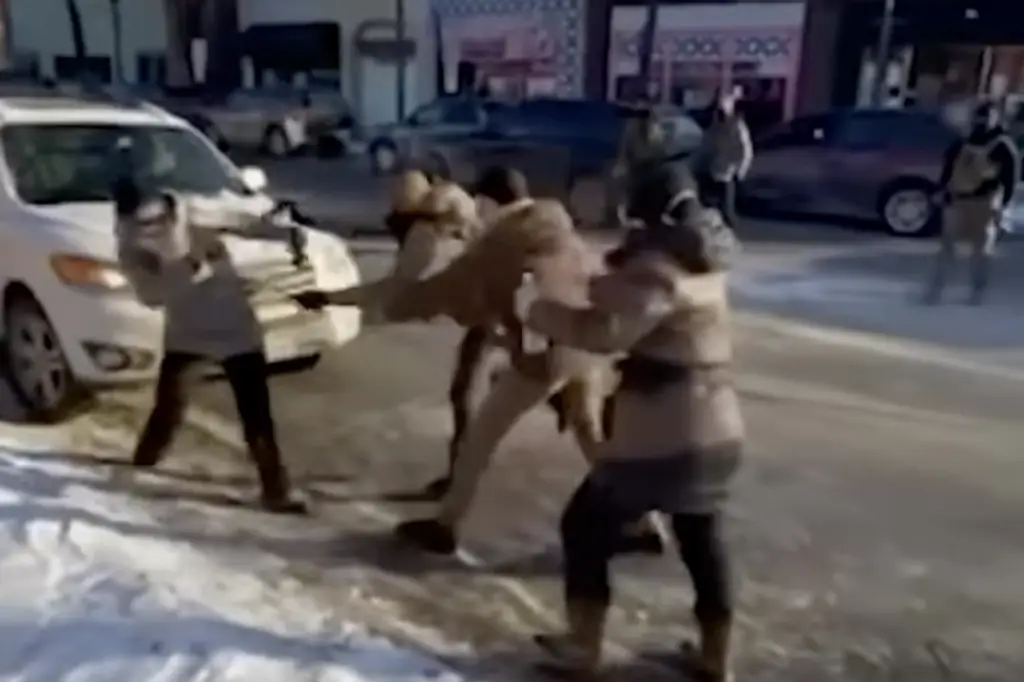
Footage circulating online appears to show multiple agents restraining the man before gunshots are heard.
The video has fuelled widespread concern and renewed questions about the tactics used by federal immigration officers operating in residential neighbourhoods.
Authorities have urged the public not to draw conclusions until investigations are complete, but for many residents, the images have already deepened distrust.
The shooting comes amid a major federal immigration crackdown that has seen an increased presence of Immigration and Customs Enforcement and Border Patrol agents in Minnesota.
The operation has drawn fierce criticism from local leaders, who say it has escalated tensions and created dangerous situations for both residents and law enforcement.
Within hours of the shooting, protesters gathered near the scene, chanting and demanding answers. As crowds grew, federal agents deployed crowd-control measures, including tear gas, to disperse demonstrators.
Several nearby businesses closed early, citing safety concerns.
Minnesota Governor Tim Walz described the shooting as disturbing and said the continued federal presence in the state was “putting lives at risk.”
Minneapolis Mayor Jacob Frey echoed those concerns, saying the city had reached a breaking point and calling for federal agencies to pause operations while investigations are carried out.
This is not an isolated incident. The latest death follows two other shootings involving federal immigration agents in Minneapolis earlier this month, including one that resulted in the death of a woman during a separate enforcement action.

The series of incidents has sparked growing outrage, with critics accusing federal authorities of using excessive force and operating with little local oversight.
Community groups and civil rights advocates argue that the heavy federal response is inflaming rather than improving public safety.
Many have pointed out that Minneapolis has a painful history of police-related deaths, and that trust between authorities and the community remains fragile years after the murder of George Floyd.
Federal officials, however, have defended their actions.
The Department of Homeland Security said agents acted in self-defence and stressed that the presence of a firearm made the situation extremely dangerous.
DHS has said it will cooperate with investigations but maintains that its officers followed protocol.
Multiple inquiries are now underway. Minnesota’s Bureau of Criminal Apprehension is reviewing the incident, while federal authorities are conducting their own internal investigation.
Questions remain over who will ultimately have control of the evidence and how much information will be released to the public.
For many Minneapolis residents, the broader issue goes beyond this single incident.
Protesters say the shooting highlights what they see as unchecked federal power and a lack of accountability when immigration enforcement turns deadly.
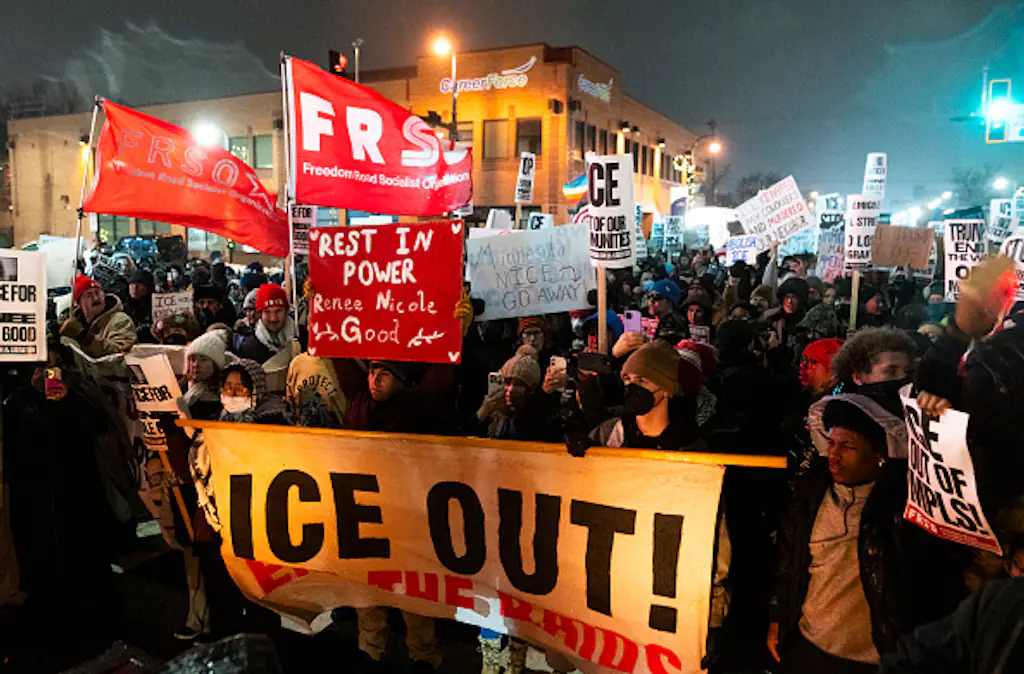
Demonstrations are expected to continue throughout the weekend, with organisers calling for transparency, justice and the withdrawal of federal agents from the city.
As investigations continue, Minneapolis once again finds itself at the centre of a national conversation about immigration enforcement, use of force and who ultimately bears responsibility when operations end in loss of life.