


US6 min(s) read
Major breakthrough as 'new suspect identified by FBI' in case of The Zodiac Killer
.webp_QQJmGo?tr=cr-345.0.1535.1190,f-webp,q-70,w-100)
A decades-long mystery that’s haunted California true-crime fanatics might finally have a face.
For more than 50 years, two of America’s most infamous killers - the Zodiac and the butcher of the Black Dahlia - have loomed large in unsolved crime lore.
One stalked young couples in the '60s, leaving cryptic notes and taunting police.
The other carved a path of horror in post-war Los Angeles, mutilating an aspiring actress in a killing so brutal it became legend.
Now, a bombshell investigation says they weren’t two killers.
According to that investigation, they were just one. And his name? Marvin Margolis.
Investigators believe two iconic cold cases are connected
The man behind the stunning theory is Alex Baber, an investigative consultant with Cold Case Consultants of America, per the Daily Mail.
He claims he’s cracked the Zodiac’s infamous codes using AI, cryptographic methods, and decades-old Census data - and what he found links directly to the brutal murder of Elizabeth Short, known worldwide as the Black Dahlia.
Baber’s team has reportedly turned over their findings to multiple law enforcement agencies, including the FBI and several California police departments.
If they’re right, it could solve not one but two of the most iconic cold cases in U.S. history.
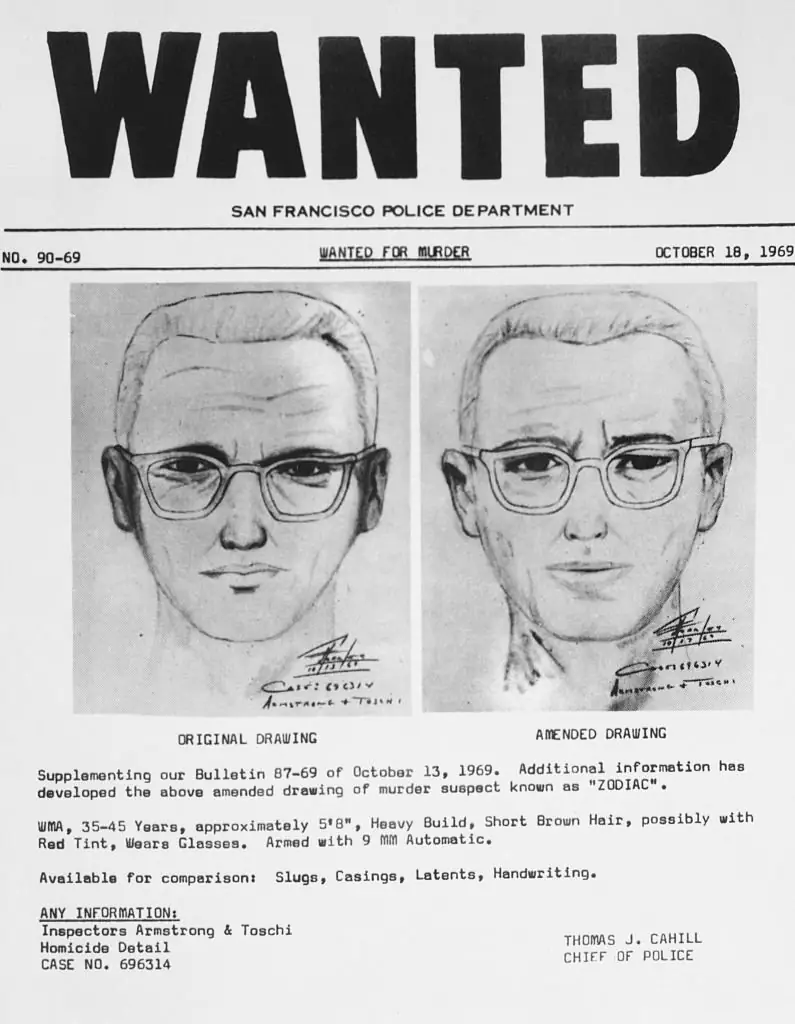
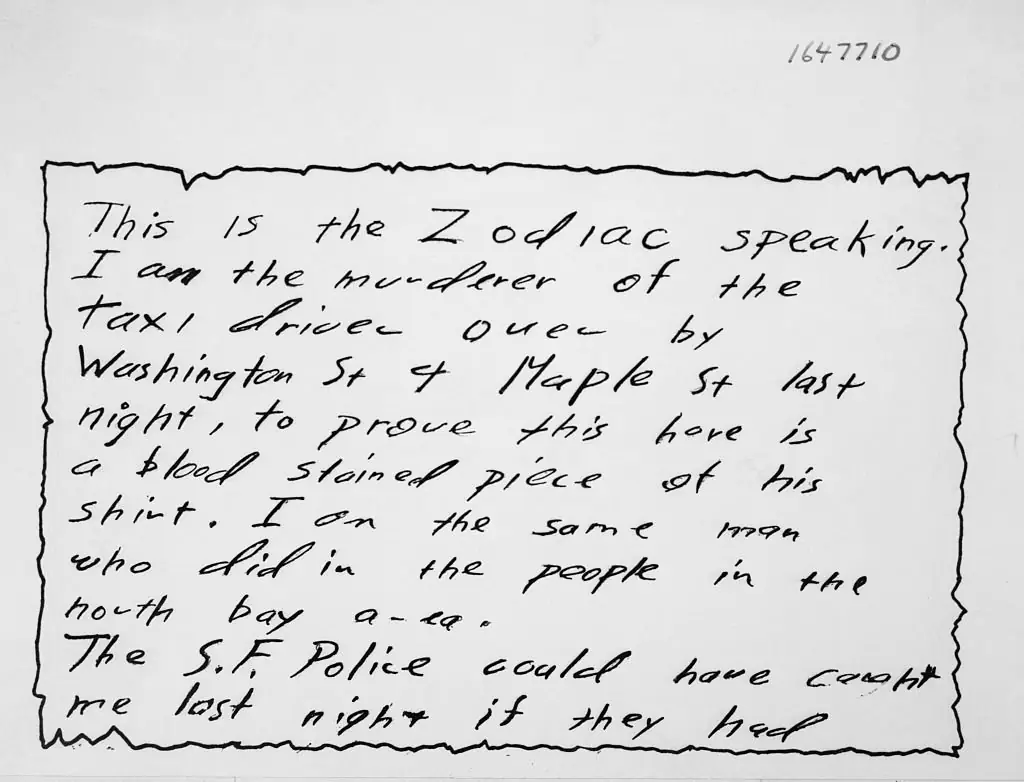
Between 1968 and 1969, the Zodiac killer murdered at least five people across Northern California, all while feeding a media frenzy with handwritten letters, mysterious ciphers, and threats.
He signed his notes with a now-infamous crosshair symbol, daring police and the public to uncover his identity.
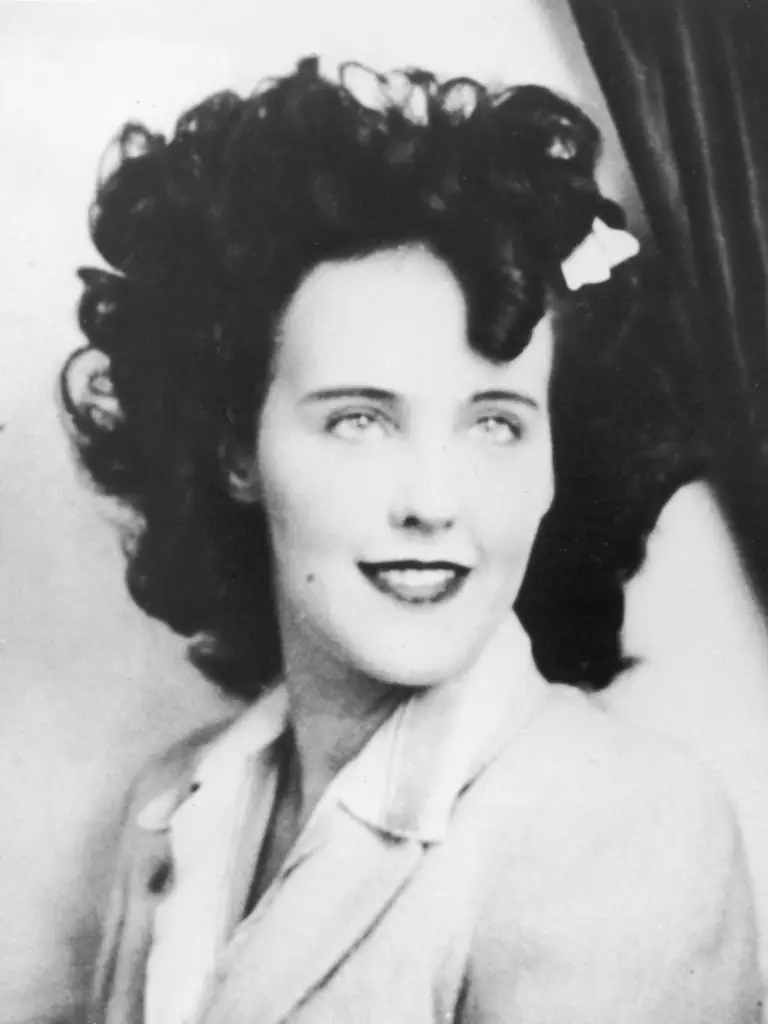
More than 20 years earlier, in 1947, Elizabeth Short was found in a Los Angeles lot, cut cleanly in half and mutilated with surgical precision.
At just 22, her Hollywood dreams were shattered in a killing that sent the city into shock - and left behind a mystery that never faded.
Both cases became legends. Both resisted every attempt at resolution. Until now.
Zodiac codebreaker says decrypted name links to Dahlia suspect
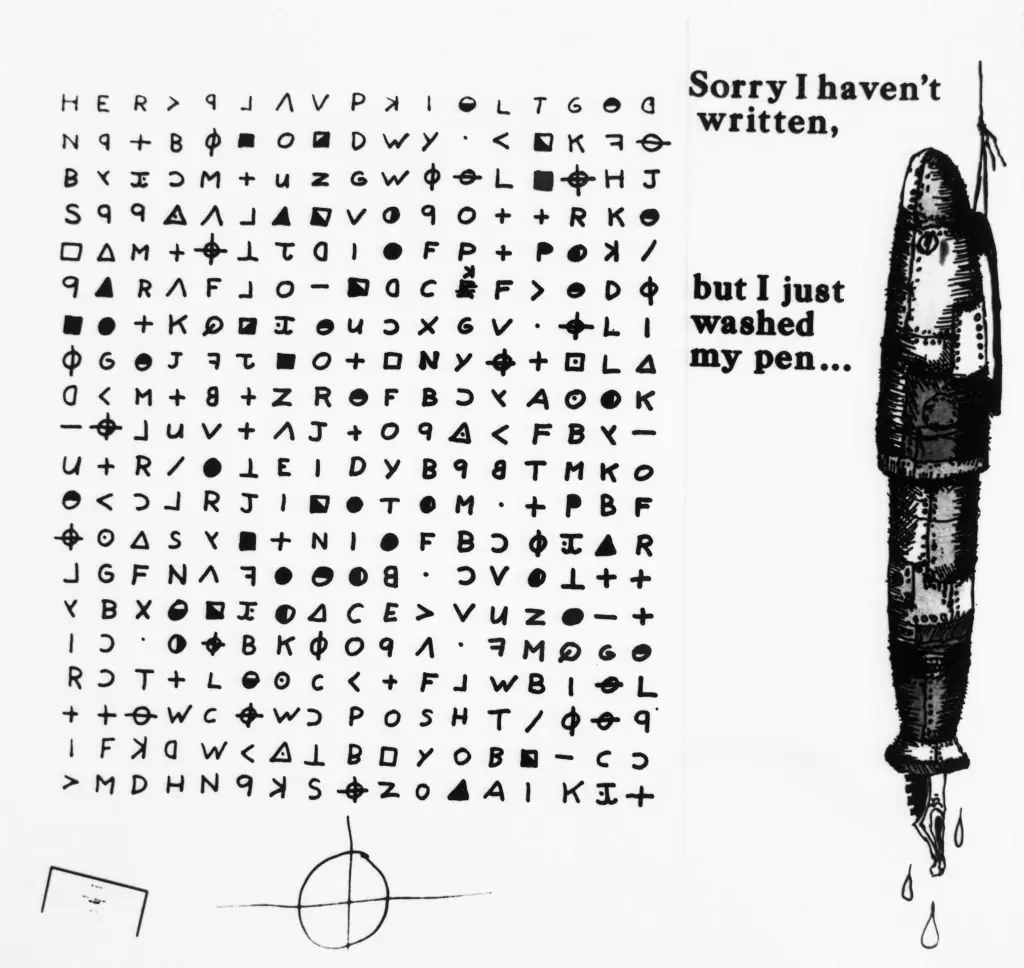
The clue that unlocked Baber’s theory came from the Zodiac’s Z13 cipher, sent in 1970. It included a taunting line: “My name is -”.
Baber says he cracked it - and that it led him straight to Marvin Margolis, a man who had already appeared on police radar decades earlier in connection with the Black Dahlia case.
He also claims to have decoded the Zodiac’s Z32 cipher, and says it, too, ties back to the Dahlia killing. Combine that with extensive document digging and old law enforcement files, and Baber says the case against Margolis becomes impossible to ignore.
So who was Marvin Margolis?
Born in Chicago in 1925 to Russian and Polish parents, Margolis later went by the name Marvin Merrill.
He joined the U.S. Navy in 1943 and served in the brutal Okinawa campaign with the 1st Marine Division - a role that gave him experience with wounds, trauma, and surgical tools.
Skills, Baber argues, that matter in the context of how Elizabeth Short was killed.
According to military records, Margolis returned from war psychologically damaged.
A Veteran Affairs assessment painted him as “a resentful individual who shows ample evidence of open aggression.”
One quote from a neuropsychiatric evaluation remains chilling: “The next time there is a war, two of us are not going - the one who comes after me and myself.”
Margolis left the military on a mental disability and enrolled at USC medical school in 1946.
That same year, he reportedly began a volatile relationship with Elizabeth Short.
According to Baber, Short briefly lived in an apartment with Margolis, but fled after just 12 days, allegedly scared of a jealous ex-boyfriend.
Just weeks later, she was dead.
Black Dahlia and Zodiac killings may be chapters of the same story
In the aftermath of Short’s murder, Margolis was one of 22 names listed in a grand jury investigation.
He stood out, Baber notes, because he was “the only pre-medical student who ever lived as a boy friend with Beth Short.”
What happened next reads like something out of a horror movie.
Witnesses reported screams coming from a car, strange behavior from a man hunting for motel rooms with bathtubs, and whispers of a “torture room” that was never found.
One motel, in particular, caught Baber’s attention: the Zodiac Motel, which existed near where Short was killed.
He believes that’s where the killer took his nickname - not from the well-known watch brand.
According to the theory, Margolis fled Los Angeles after the Dahlia killing and changed his name to Marvin Merrill.
Years later, he returned to California - and in 1968, the Zodiac attacks began.
Baber points to the attack at Lake Berryessa, where the killer used a bayonet-type weapon.
He says Margolis returned from WWII with a Japanese rifle and bayonet - a war trophy that could match the murder weapon. That bayonet, Baber says, may still exist within the family and could hold forensic evidence.
Terminal sketch may hold hidden confession
Baber says this isn’t just internet speculation. He claims to have presented his findings to several agencies, including the San Francisco Police Department, Napa County Sheriff’s Office, Solano County Sheriff’s Office, and the FBI.
His team also reportedly met with LAPD leadership, which referred the case to its robbery-homicide division.
Experts in codebreaking, forensic handwriting, and retired homicide detectives have expressed support, according to Baber’s team.
But the most disturbing detail might be what Margolis - under the name Merrill - left behind late in life.
As he battled terminal cancer, he allegedly drew a sketch of a woman labeled “Elizabeth” that featured markings similar to the wounds inflicted on Short.
Enhanced images of the drawing reportedly reveal the word “ZoDiac” hidden in the artwork.
To Baber, that image is a confession from beyond the grave.
His claims are still just that - claims.
But the theory has reignited interest in California’s darkest legends. Margolis’ youngest son has reportedly turned over hundreds of items for forensic analysis, even while doubting that his father was a killer.