


US2 min(s) read
New warning issued to married couples as Americans 'given date they may receive money' after Trump promised $2,000 to almost every American

A new warning has been issued to married couples as Americans eagerly await the potential $2,000 payment promised by President Donald Trump.
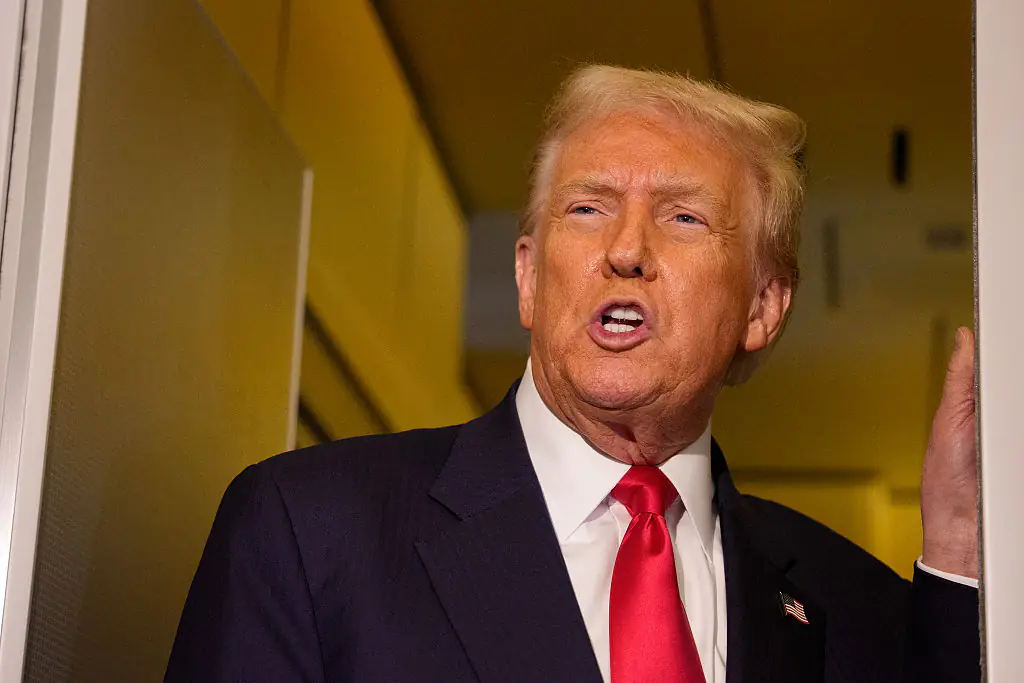
The 79-year-old reignited the conversation around so-called "dividend checks" in November 2025, when he promised to give the payment to every civilian, excluding those with high incomes.
Trump argued that tariffs on foreign goods would raise huge sums, which could fund the payments.
"People that are against Tariffs are FOOLS! We are now the Richest, Most Respected Country In the World, With Almost No Inflation, and A Record Stock Market Price. 401k’s are Highest EVER," he wrote on Truth Social at the time.
He added: "We are taking in Trillions of Dollars and will soon begin paying down our ENORMOUS DEBT, $37 Trillion. Record Investment in the USA, plants and factories going up all over the place."
While the idea quickly generated buzz, the biggest question remained: When would Americans actually receive this money?
AI has suggested that, based on Trump’s own comments, the earliest possible window for these payments could be between June and August 2026.
However, experts warn that no official payment date has been set, as Congress has yet to approve the plan.
Potential Payments for Married Couples
If the plan does move forward, married couples could receive more than just a single $2,000 payment.
AI stated that, depending on how the policy is structured, couples might receive a total of $4,000 - $2,000 per eligible person.
Some discussions also suggest that children might be included in eligibility, meaning families could receive even more. However, the final number remains unclear.
One of the issues experts have pointed out is the potential "marriage penalty," where married couples could be disadvantaged compared to two single individuals.
If a single income cap is set, such as $100,000 for all individuals, married couples could end up with less than two single people who each qualify for a payment.

Income Limits and Uncertainties for Married Couples
As of now, no official income thresholds have been confirmed, and the eligibility rules remain vague.
AI predicts that individuals may qualify under a certain income cap, typically around $75,000 to $100,000.
For married couples filing jointly, the threshold is likely to be higher, around $150,000 to $200,000.
However, none of this is finalized as the policy is still in the proposal stage.