


US3 min(s) read
US could ask tourists for five-year social media history before entry
.webp_lli6Ty?tr=cr-74.9.445.380,f-webp,q-70,w-100)
Tourists heading to the US could face some further restrictions to getting their visas or ESTAs approved as it could hinge on their social media history.
According to CNN, some visitors to the US may soon have to provide their social media history from the past five years in order to be allowed entry to the country, according to a new proposal made by the Trump administration.
The proposal, posted on the Federal Register by US Customs and Border Protection, suggests that people visiting the US from countries that are part of a visa waiver program be made to provide additional personal information with their electronic application.
Travelers using the visa waiver program known as the Electronic System for Travel Authorization (ESTA), a requirement for citizens of 42 countries including the UK, Australia, Japan, and many European countries, would be affected by the change.
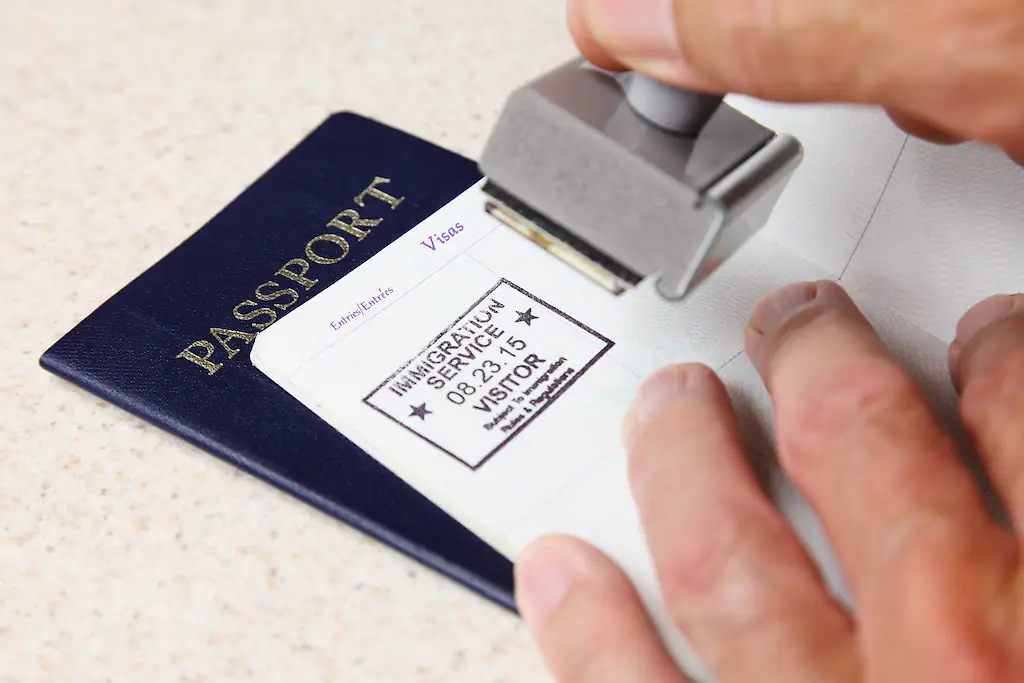
Currently, visitors from those 42 countries are permitted to use the visa waiver program to enter the US for less than 90 days at a time after completing an ESTA application which includes information such as their date of birth, passport details, and any criminal record they hold.
According to the outlet, the proposed changes would mean that applicants would be mandated to provide their social media history and add "high value data elements" including their phone numbers and email addresses across the prior five years.
Applicants would also have to provide close family members' names and dates of birth, as well as their places of birth, residences, and phone numbers for the past five years.
Questions about an applicant's social media is not completely new, as it was first added to the application in 2016 as an "optional" question.
The CBP website states: "If an applicant does not answer the question or simply does not hold a social media account, the ESTA application can still be submitted without a negative interpretation or inference."
The new proposal would make that mandatory to answer, though it's not clear how it would affect those wanting to come to the US. The public is able to comment on the proposal until February 9.
Department of Homeland Security, which oversees CBP, has yet to comment on the proposed changes.
It comes after President Donald Trump’s administration unveiled major changes to the legal immigration system, in by tightening every legal and illegal form of entry into the United States as well as carrying out mass deportations.
It has also placed increasing scrutiny on the social media accounts of foreign students within the US, with the State Department telling embassies and consulates in June that they may vet applicants for student visas for “hostile attitudes towards our citizens, culture, government, institutions, or founding principles.”
According to the guidelines, applicants must make their profiles public, and those that do not have a social media presence could also face issues as it could be held against them.
The consultation is currently ongoing on the proposed changes.