


US3 min(s) read
We asked AI who actually won the Iran war as Donald Trump claims victory - the answer is a big surprise

Donald Trump has been quick to claim victory following the latest conflict with Iran, but when we asked artificial intelligence to deliver a clear, unbiased verdict, the answer was far less straightforward.
After news broke that both sides had agreed to a temporary ceasefire, we posed a simple challenge to AI: in 250 words or fewer, pick a winner and a loser.
AI's balanced response
Its response cut through the noise of the social media threats, the airstrikes, and public addresses from world leaders: “Short answer: neither side clearly ‘won’ — but if forced to pick, this looks slightly more like a strategic non-victory for the U.S. than a decisive win for either side.”
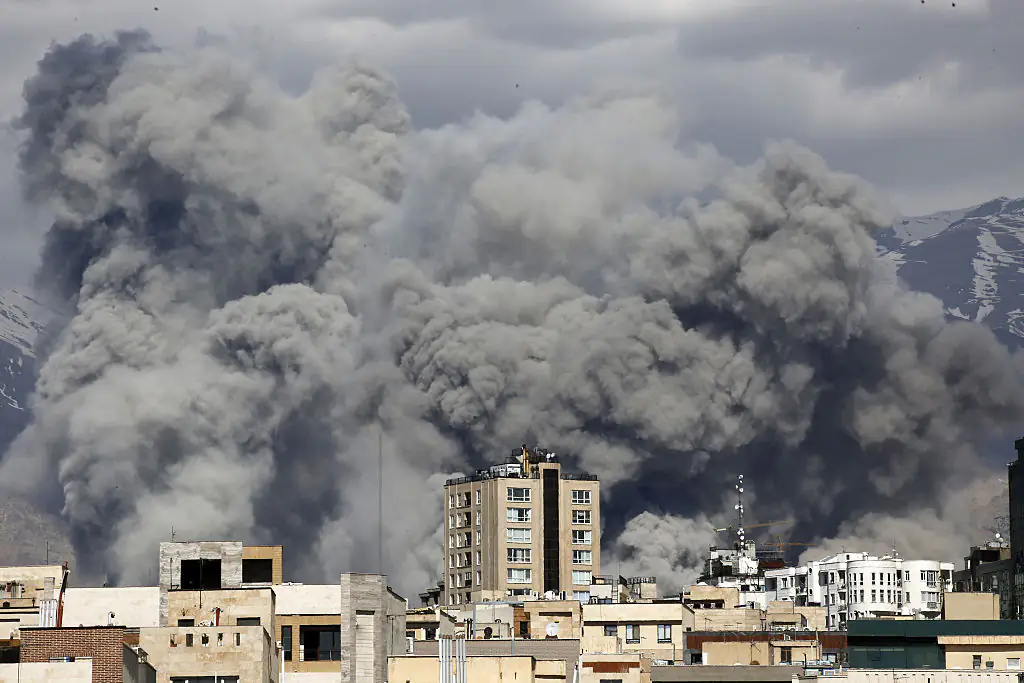
That conclusion hinges on what each side actually achieved. On paper, the US can point to tangible military success. American forces carried out strikes inside Iran and applied enough pressure to bring Tehran to the negotiating table. For Trump and his supporters, that alone is being framed as a win.
But the AI analysis suggests the bigger strategic goals remain unresolved. “The ceasefire is temporary (two weeks) and explicitly not the end of the war,” it noted, highlighting that the war could easily reignite. It also pointed out that key US objectives, such as curbing Iran’s nuclear programme or securing long-term concessions, are still unclear or unmet.
Meanwhile, Iran appears to have avoided the kind of outcome Washington may have hoped for. Not only did the government remain intact, but it also demonstrated that it still holds leverage in the region. One major example is the reopening of the Strait of Hormuz, a critical artery for global oil supply, which Iran managed on its own terms.
"In the context of war, that matters. Surviving without major concessions can often be framed as a form of success, especially when facing a more powerful opponent," AI said.
The AI also flagged the difference between rhetoric and reality: “Yes, U.S. leadership is publicly claiming victory — but that’s political messaging, not a settled strategic outcome.”
Its final judgement reflects that nuance: “The U.S. did not clearly win — and Iran avoided losing, which in war terms often counts as a relative success.”
AI can change its mind too...
However, when we pressed ChatGPT for a more definitive answer, our chatbot was clearer in its judgment, and more pertinently, it appeared to go against its original conclusion, much to our surprise.

AI said: “Iran won. Not in the sense of crushing the United States militarily—but in the only way that actually matters in modern conflicts: it achieved its minimum objectives while denying the U.S. its strategic goals.”
It continued: “Here’s the blunt logic: The United States entered this confrontation aiming to force lasting concessions (especially around Iran’s regional behavior and nuclear program). That hasn’t happened.”
Typically, the chatbot’s reasoning was, well, reasonable: “Crucially, Iran demonstrated it could disrupt global oil routes (via the Strait of Hormuz) and then turn that leverage on and off—which strengthens its bargaining position going forward. In contrast, the U.S. spent military and political capital without producing a decisive outcome and is now pausing under a fragile ceasefire with unresolved objectives. In war, if a weaker power survives, retains leverage, and avoids concessions, it counts as a win for them.”
While the victor of the dispute between the two nations remains at the mercy of subjectivity, one thing is irrefutable — victory in battle doesn’t mean triumph in war, should the ceasefire be disregarded by either side.