


US4 min(s) read
Where is Andrea Yates now, 25 years after she drowned her five children as HBO doc is released

On June 20, 2001, Andrea Yates drowned her five children, Noah, seven, John, five, Paul, three, Luke, two, and six-month-old Mary, in a bathtub at her home in Clear Lake, Texas.
After the killings, she placed their lifeless bodies on her bed, arranging them as if they were peacefully sleeping.
She then called 911, and when the police arrived, she calmly confessed, saying: “I just killed my children,” and later explained that she believed her actions were necessary to save her children’s souls from Satan, PEOPLE reported.
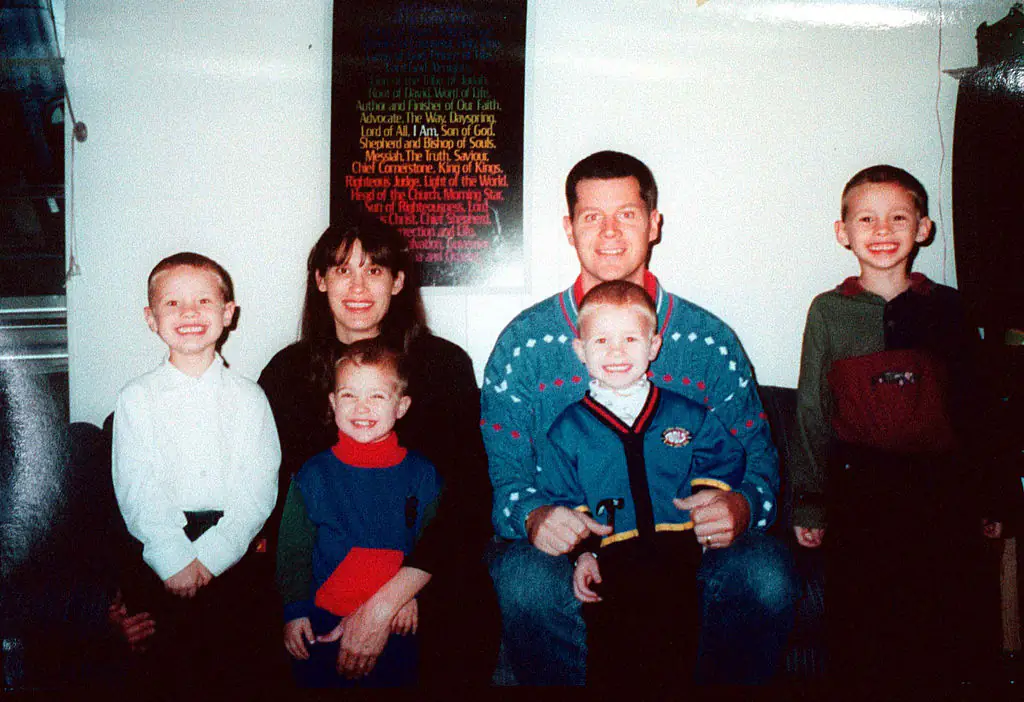
Legal Battles and Mental Health Struggles
Andrea was initially convicted of capital murder in 2002 and sentenced to life in prison.
However, her defense attorney, George Parnham, successfully appealed the verdict after arguing that she was suffering from postpartum psychosis at the time of the killings.
In 2006, a retrial found her not guilty by reason of insanity. “She just loved those children,” Parnham said in 2025. “And she, in her psychotic state, believed she was saving their lives, saving their souls.”
The mother's case has since become a focal point in discussions about postpartum mental illness, and has raised questions about her mental state and the role of religious influences leading up to the horrific crime.
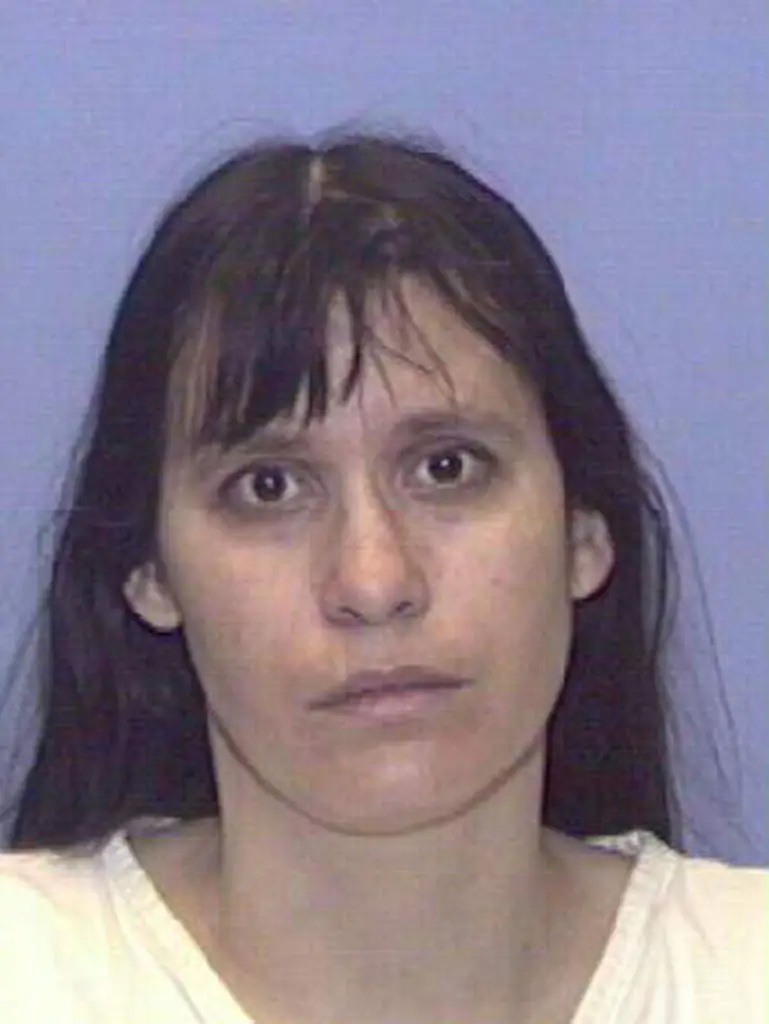
The Influence of Michael Woroniecki
HBO Max released the docuseries The Cult Behind The Killer: The Andrea Yates Story on January 6.
The series revisits the case and explores the theory that Andrea was heavily influenced by the teachings of Michael Woroniecki, a preacher whose extreme religious views may have exacerbated her mental health struggles.
The docuseries, based on court records and medical history, features interviews with Andrea's ex-husband, Rusty Yates, and former followers of Woroniecki, who describe his doctrines as rigid and fear-based.
According to Time Magazine, Rusty and Andrea were deeply involved with Woroniecki’s teachings, which included a belief in an imminent apocalypse and the damnation of their children unless they followed specific religious practices.
This ideology, along with the mother's ongoing battle with postpartum psychosis, created a perfect storm that led to the tragedy.
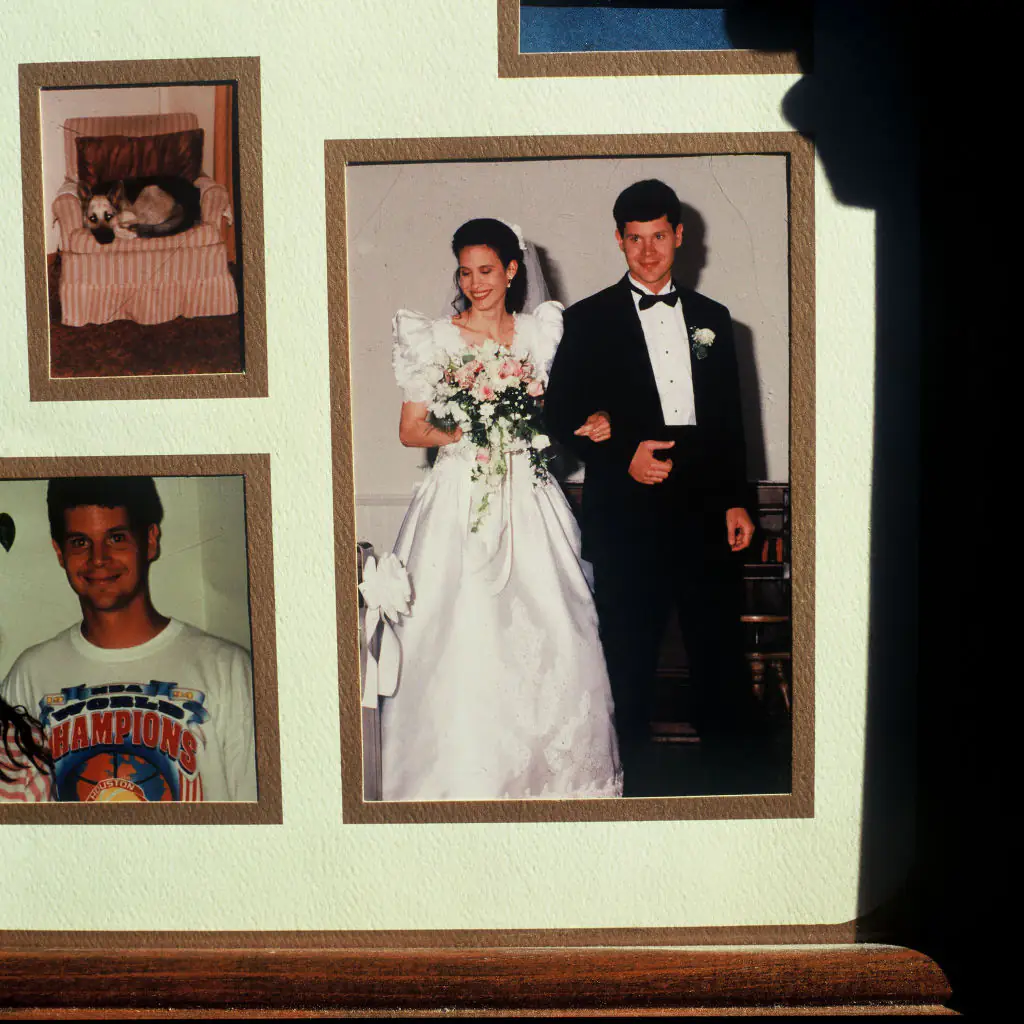
Andrea’s Life Since the Tragedy
After her retrial in 2006, Andrea was committed to a state psychiatric hospital rather than a prison, as her defense successfully argued that her actions were driven by a mental illness.
She was initially placed in a high-security psychiatric facility and later transferred to the Kerrville State Hospital in Texas, where she remains today.
The now-61-year-old has an annual review of her case, which could allow her release, but she has consistently waived this right.
As of 2022, she has chosen to continue receiving psychiatric treatment rather than seek freedom.
Her attorney, George Parnham, has said that Andrea is doing "remarkably well" in care, describing her as “remarkably calm” and focused on her recovery, per Today.
"She's where she wants to be. Where she needs to be,” Parnham explained to ABC13. “And I mean, hypothetically, where would she go? What would she do?”
It is unclear whether she will ever be released, but her lawyer believes she will likely remain there for the rest of her life.
Andrea’s Grief and Ongoing Healing
Though Andrea has not sought release, her grief remains constant. Parnham shared that she often reflects on the lives of her children before the tragedy.
“There's not a day that goes by where she doesn't care for, talk about, is happy for her children's lives before June 20 - and grieves for her children,” he revealed.
She spends much of her time making crafts, including aprons and greeting cards, which she anonymously sells to support the Yates Children Memorial Fund, a charity dedicated to supporting women’s mental health that was founded by Parnham and his wife.