


Science & Tech2 min(s) read
Scientists predict brain can hold 2.5 petabytes of data. That's 5 billion books
.jpg_I4Ebof?tr=cr-0.338.2730.3068,f-webp,q-70,w-100)
Scientists believe the human brain may be capable of storing as much as 2.5 petabytes of information, an amount so vast it’s often compared to billions of books, hundreds of thousands of films, or centuries’ worth of music.
So, that's around...
- 5 billion different books
- 50,000,000 songs, which could play continuously for 350 years
- 500,000 HD movies
- 100,000 video games
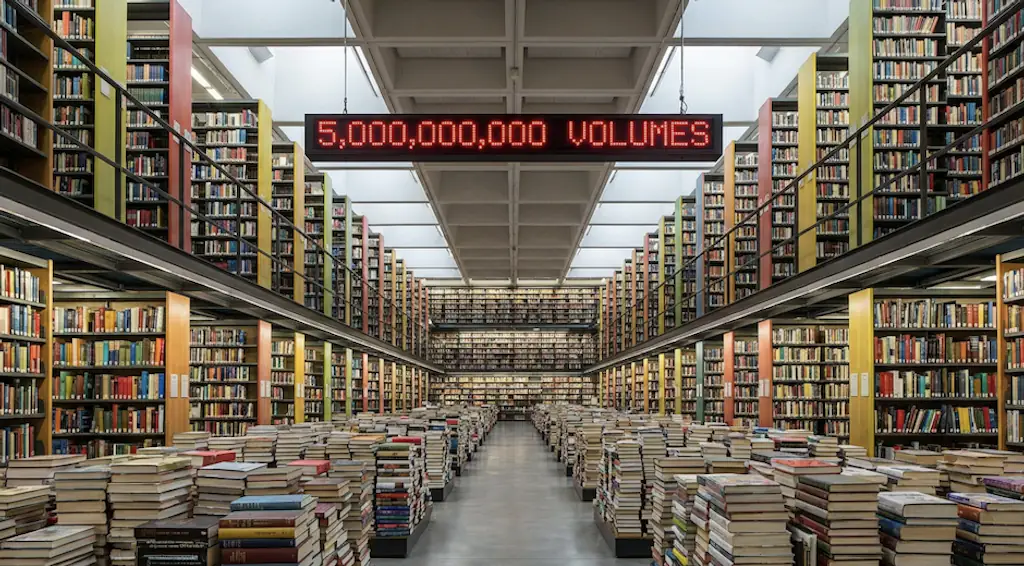
The estimate comes from theoretical neuroscience, where researchers attempt to understand memory capacity by looking at the brain’s physical structure.
The human brain contains around 86 billion neurons, each connected to thousands of others through synapses. These synapses are responsible for learning, memory, and information processing.
By estimating how much information a single synapse could theoretically store, scientists can scale that up across the entire brain.
When those calculations are applied, the total storage potential is believed to sit somewhere between one and ten petabytes, with 2.5 petabytes often cited as a realistic midpoint.
To put that into perspective, 2.5 petabytes has been likened to the equivalent of around five billion books, roughly 50 million songs that could play continuously for more than 300 years, or approximately 500,000 high-definition films.
While these comparisons aren’t literal, they’re designed to help visualise just how much information the brain could theoretically manage.
It’s important to note that this figure is based on modelling and theory rather than direct measurement.
Scientists can’t open up a brain and check how much data it contains in the way you would with a computer.
Memory in the brain is also stored very differently, spread across networks of neurons rather than saved as individual files.
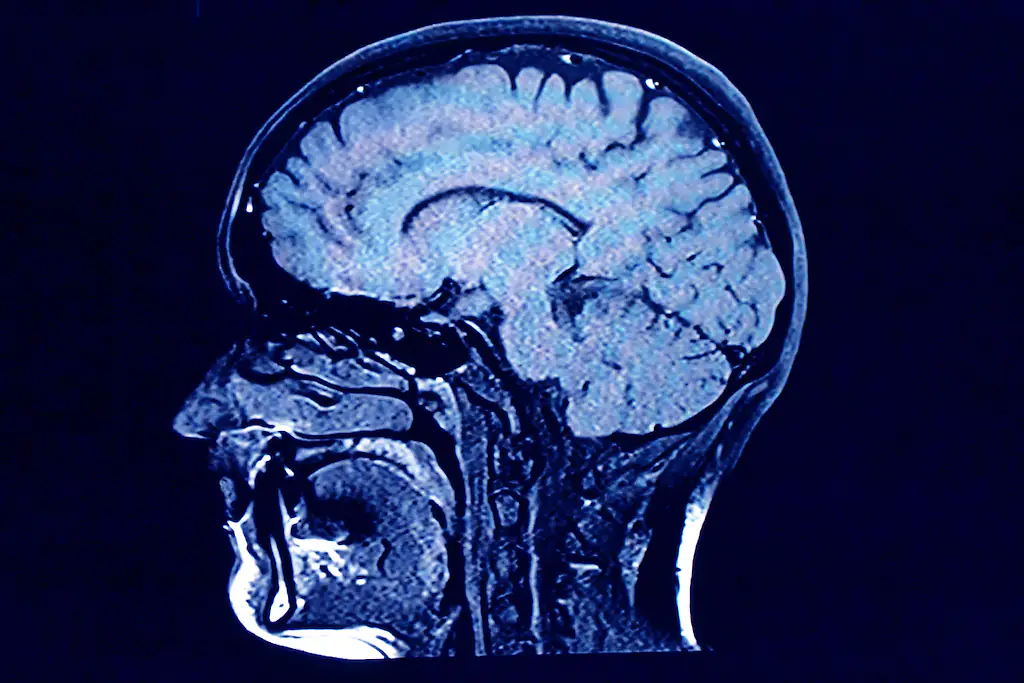
Even so, researchers agree that the brain’s storage capacity is immense, far exceeding what most people ever use in a lifetime.
Every experience, skill, face, sound, and emotion is layered into this system, constantly being updated and reshaped as we learn.
So while 2.5 petabytes isn’t a proven, fixed number, it remains one of the most widely accepted theoretical estimates.
And if the theory is even close to reality, it’s a reminder that the most powerful storage system we know isn’t in our pockets or on our desks, but inside our heads.