


World5 min(s) read
Afghanistan has just legalized domestic violence as new laws explained

Warning: This article may contain some distressing information.
The Taliban has enacted a new penal code in Afghanistan that critics say effectively legalizes domestic violence.
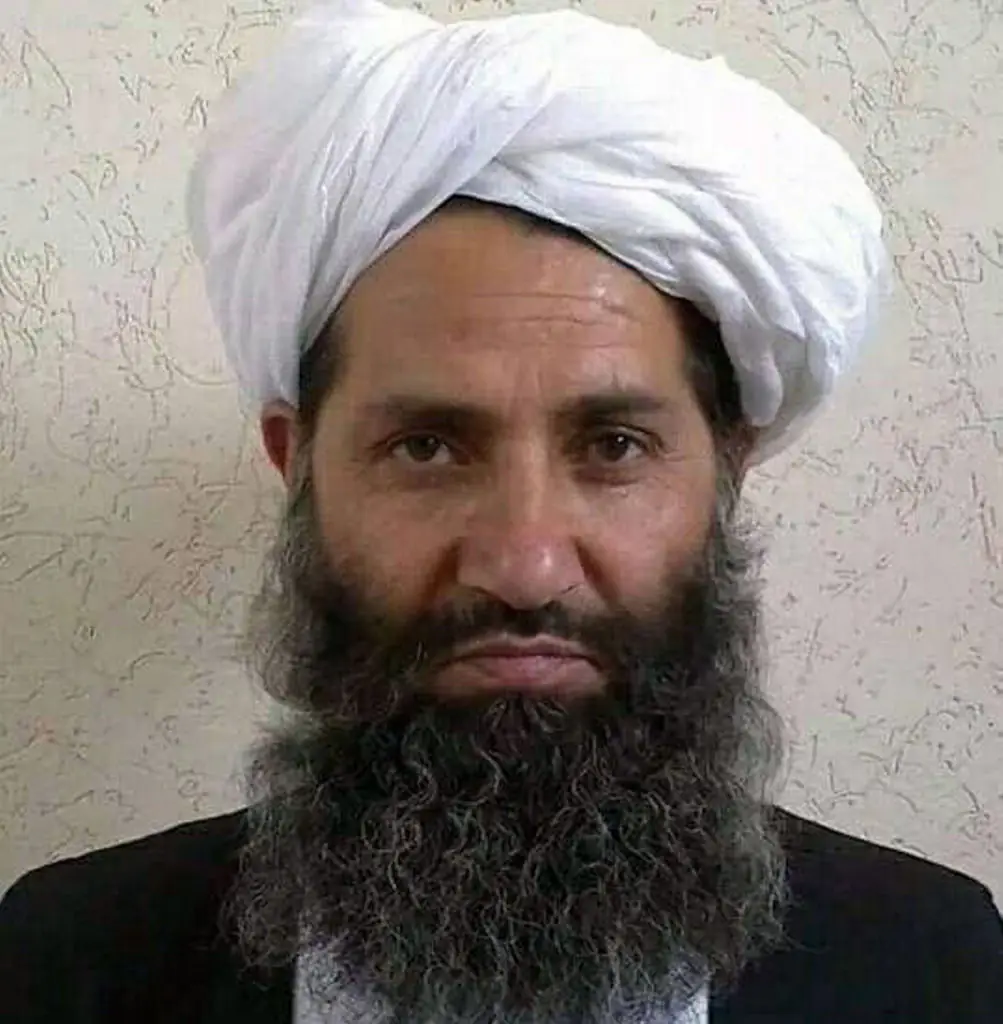
The 90-page criminal code, signed by the group’s supreme leader, Hibatullah Akhundzada, introduces a framework that differentiates punishment based on whether an individual is considered “free” or “a slave," The Independent reported.
The document is titled De Mahakumu Jazaai Osulnama, and has been distributed nationwide.
Observers say the legislation amounts to the creation of a caste system, with religious leaders and mullahs occupying the highest tier and enjoying immunity from prosecution, while those deemed lower in status face harsher penalties.
A system that places women at the bottom
The most disturbing aspect of the new code is the way it categorizes women.
Political commentators and rights groups warn that the language effectively places women on a par with “slaves,” and grants husbands or so-called “slave masters” the power to administer discretionary punishment, including beatings.
Under the new rules, corporal punishment for serious crimes, including offenses against the government, will be carried out by Islamic clerics rather than correctional services.
Less serious personal matters may be addressed through a “ta’zir,” or discretionary punishment. In practice, this allows a husband to physically chastise his wife.
Human rights experts told the publication that the Taliban has neither condemned nor explicitly prohibited physical, psychological, or sexual violence against women in the new code.
Even in cases where a woman attempts to seek justice for abuse, the path forward is challenging as the code requires women to prove serious bodily harm by showing their injuries to a judge while remaining fully covered in Muslim garments.
They must also appear in court accompanied by a male chaperone, or mahram, often their husband, who in many cases is the alleged abuser.
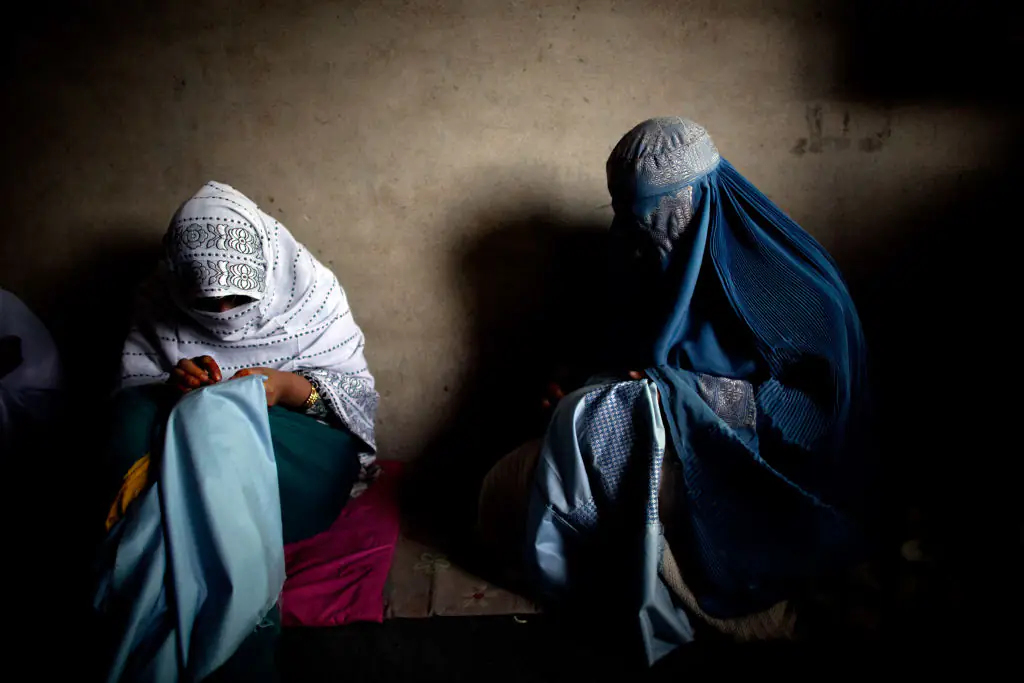
One legal adviser working in Kabul, speaking anonymously, described the process as an “extremely lengthy and difficult” ordeal for women seeking justice.
She cited a recent case involving a woman who was beaten by a Taliban guard during a prison visit to her husband. When the woman attempted to lodge a complaint, police told her her case could not be heard without a male chaperone present, specifically her incarcerated husband.
“She cried and shouted in the public that death is better [than the process she is going through],” the adviser said. “It is impossible for women to get any justice for an assault that happens to them.”
Under the new code, even if a woman successfully proves she has suffered severe abuse, the maximum penalty her husband may face is just 15 days in prison.
Restrictions on refuge and family protection
Rawadari, a human rights movement that monitors Afghanistan’s hardline Islamist regime largely from exile, highlighted another provision that limits women’s ability to seek safety.
“Article 34 states that if a woman repeatedly goes to her father’s house or that of other relatives without her husband’s permission and does not return home despite her husband’s request, the woman and any member of her family and relatives who has prevented her from going to her husband’s house are deemed criminal and will be sentenced to three months’ imprisonment,” the organisation said in a statement.
“This provision, particularly in the case of women who take refuge at their parents’ house and relatives’ homes from violence and maltreatment by their husbands, exposes them to continued domestic violence and strips them of family and community protection, the only remaining protection for women victims of domestic violence in absence of formal and legal remedies,” Rawadari said.
Shaharzad Akbar, Rawadari’s executive director, argued that the code gives authority to religious scholars while shielding them from accountability.
“So the mullah is king now,” Akbar says. “The mullah calls the shots, and the mullah gets all the privileges that ordinary people can’t, because they’re put even above elites.”
According to the structure outlined in the code, punishment is determined less by the crime itself and more by social standing.
Religious scholars receive “advice” if they commit wrongdoing. Members of the social elite may receive “advice” and a court summons.
Those considered “middle class” face imprisonment, while the “lower class” can be subjected to both imprisonment and corporal punishment.
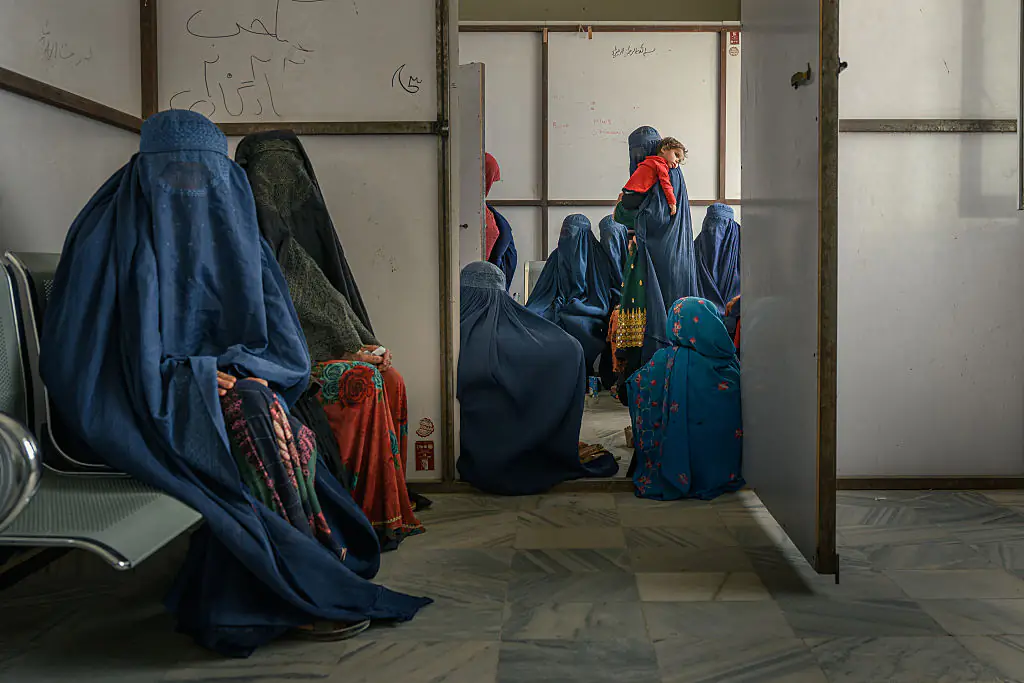
The new legal framework marks a departure from the policies of Afghanistan’s previous NATO-backed government, which criminalized forced marriage, rape, and other forms of gender-based violence.
Domestic violence carried penalties ranging from three months to one year in prison.
The Taliban regained control of Afghanistan in 2021 following a quick takeover that coincided with the withdrawal of US troops and NATO forces. Since then, women’s rights have steadily declined.