ADVERT
World4 min(s) read
Published 17:18 19 Dec 2024 GMT
The Boeing Starliner astronauts stuck at the International Space Station are going to have to wait there for a little longer...
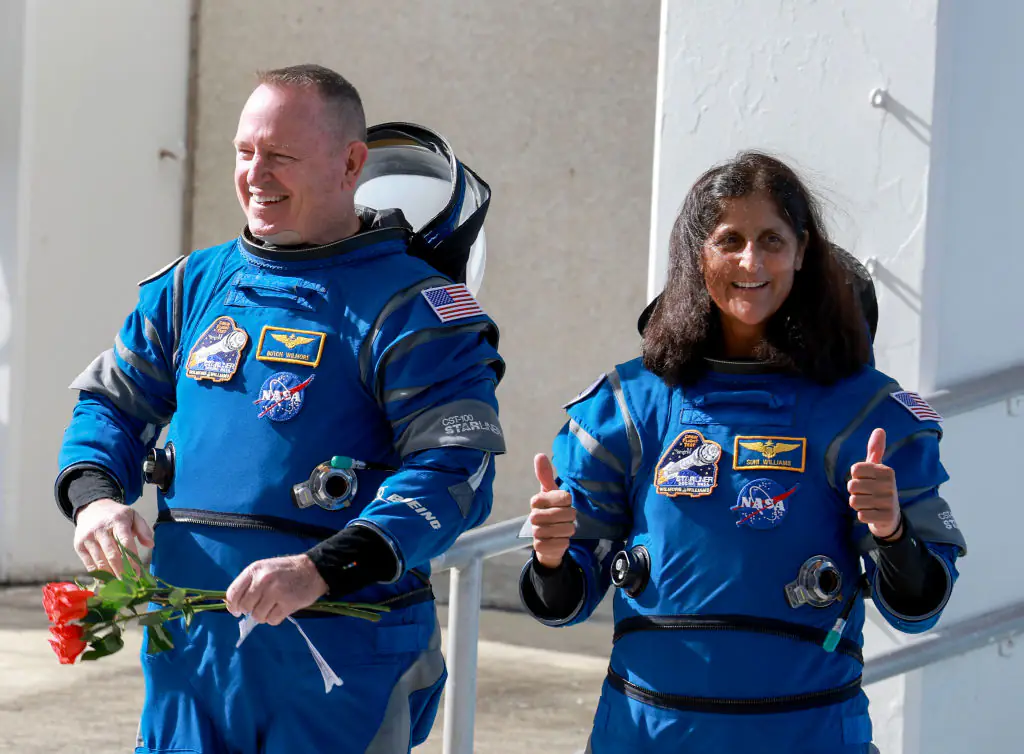
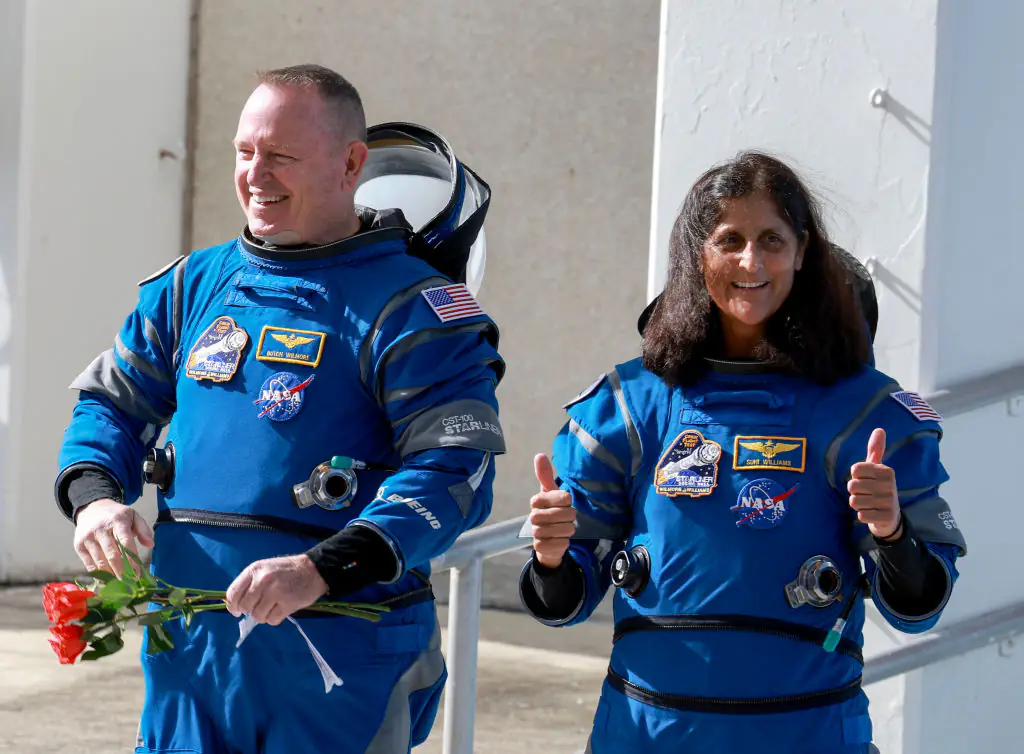
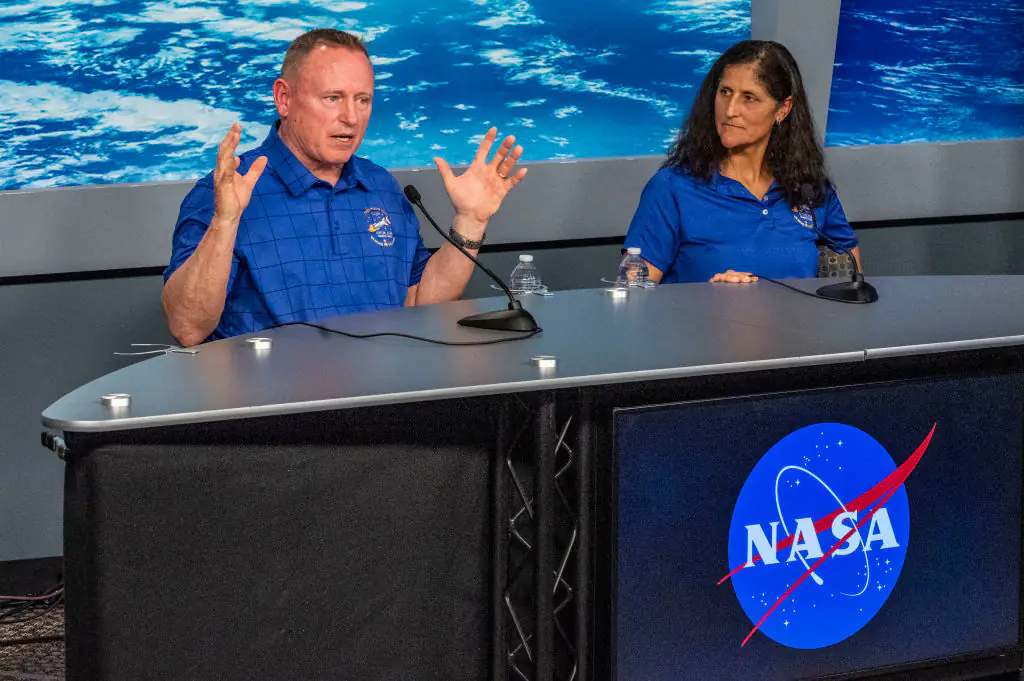
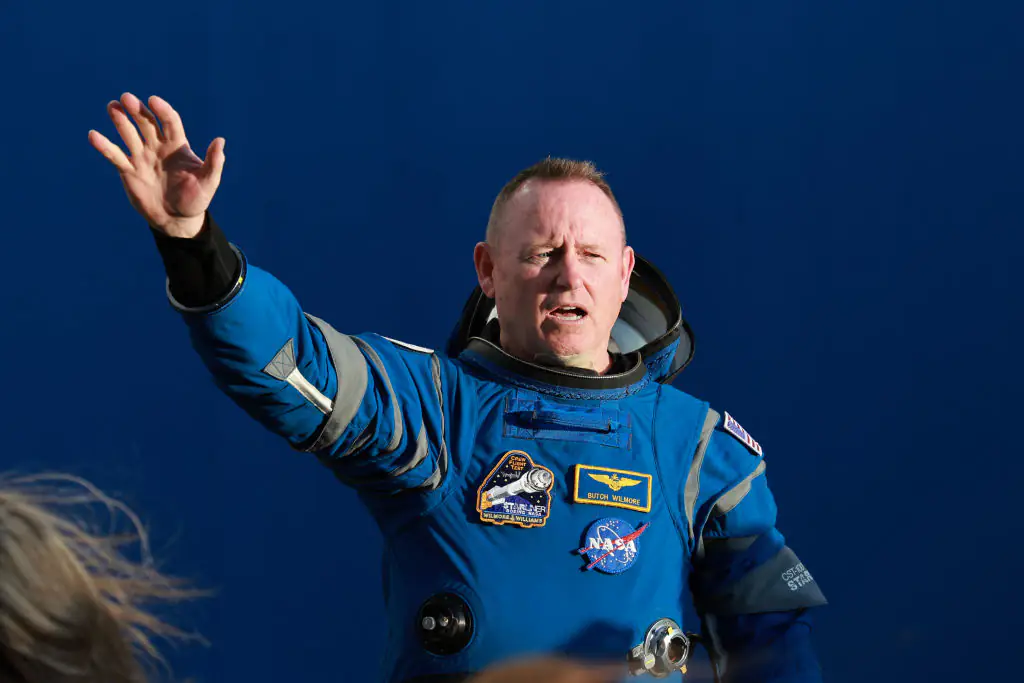
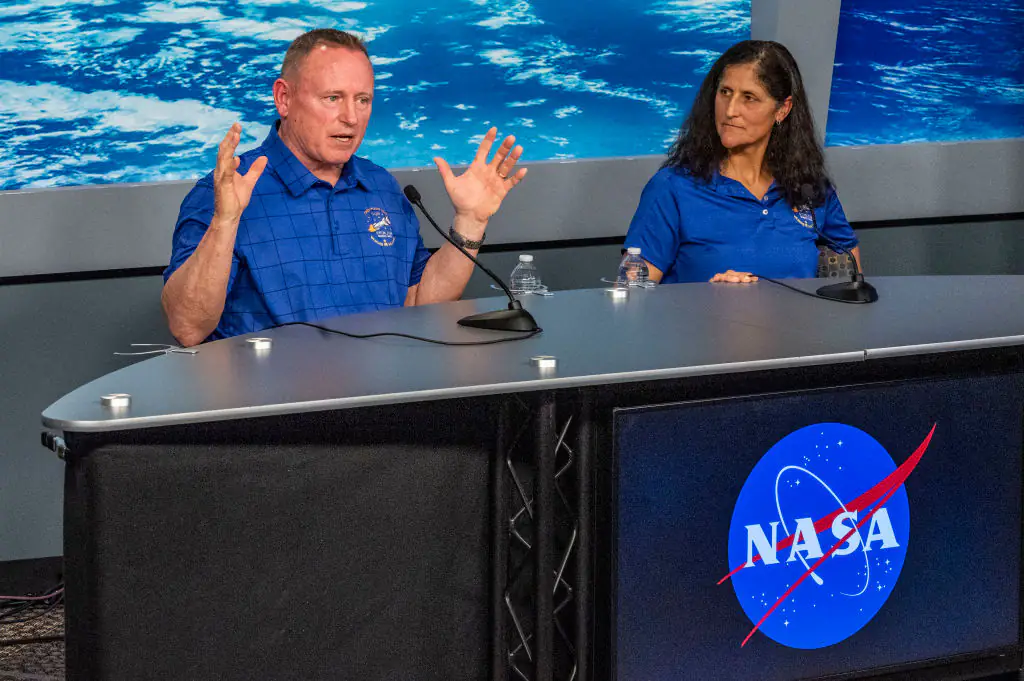
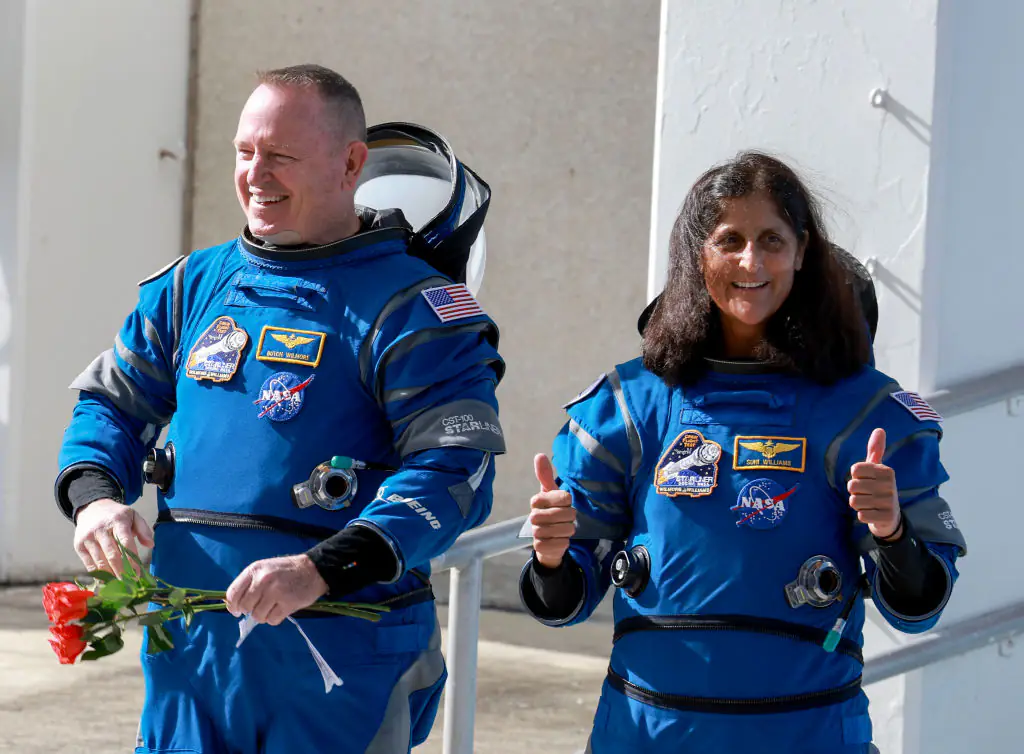
Astronauts Butch Wilmore and Sunita 'Suni' Williams arrived at the ISS in June on the Boeing Starliner, with an initial mission duration expected to last approximately eight to 10 days.
However, the spacecraft encountered multiple issues, including propulsion system failures, leading NASA to extend their stay on the station.
As a result, the capsule was sent back to Earth empty in September while the astronauts remained on the ISS.
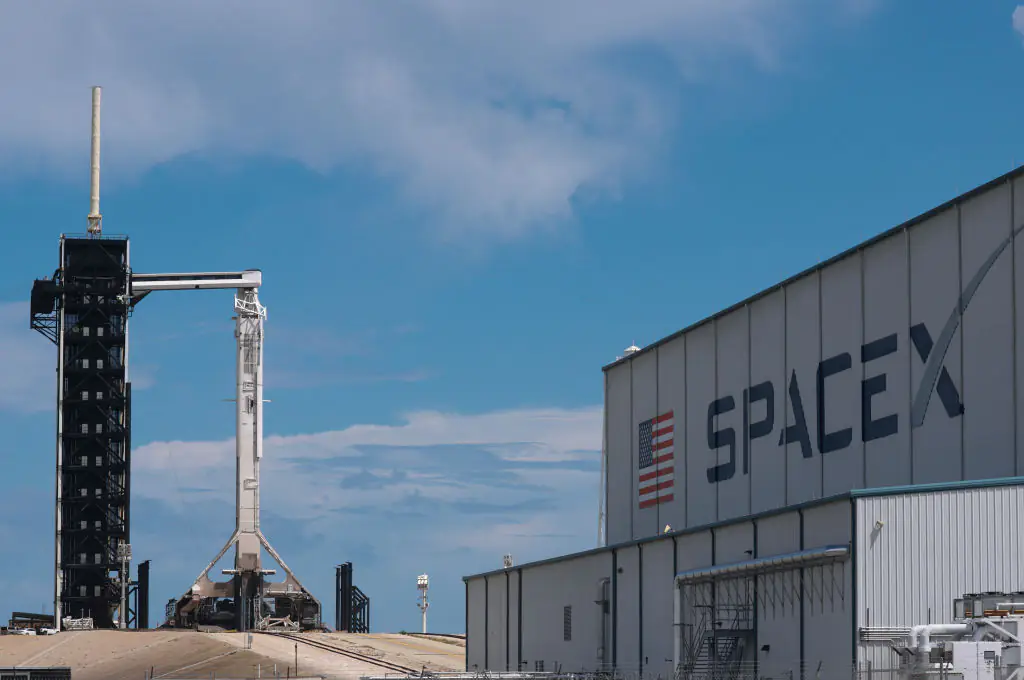
In September, a SpaceX Crew-9 Dragon capsule launched to the ISS with a reduced crew of two and two empty seats, intended to bring Wilmore and Williams back to Earth in February 2025.
However, NASA announced on Tuesday that the astronauts' replacements, traveling aboard SpaceX's Crew-10 Dragon, are now slated to launch no earlier than late March 2025.
This means Wilmore and Williams' return will be delayed until then at the earliest, per CBS News.
NASA explained the delay was due to additional time needed for NASA and SpaceX teams to complete final processing of a new Dragon spacecraft for the mission.
The Crew-9 capsule, which currently carries Williams, Wilmore, fellow NASA astronaut Nick Hague, and cosmonaut Aleksandr Gorbunov, cannot return to Earth until the "handover period" with Crew-10 is complete.
This transition period is essential for Crew-9 to share any lessons learned and ensure a smooth handover for ongoing research and maintenance at the station.
While NASA did not offer a specific timeline for the handover process, it emphasized that the delay is a necessary step for the continued success of the mission.
If Wilmore and Williams return in late March or April 2025, their mission will have been extended to nearly nine months, far beyond the original week-long duration.
"Fabrication, assembly, testing, and final integration of a new spacecraft is a painstaking endeavor that requires great attention to detail," Steve Stich, manager of NASA's Commercial Crew Program, said in a statement.
"We appreciate the hard work by the SpaceX team to expand the Dragon fleet in support of our missions and the flexibility of the station program and expedition crews as we work together to complete the new capsule's readiness for flight."
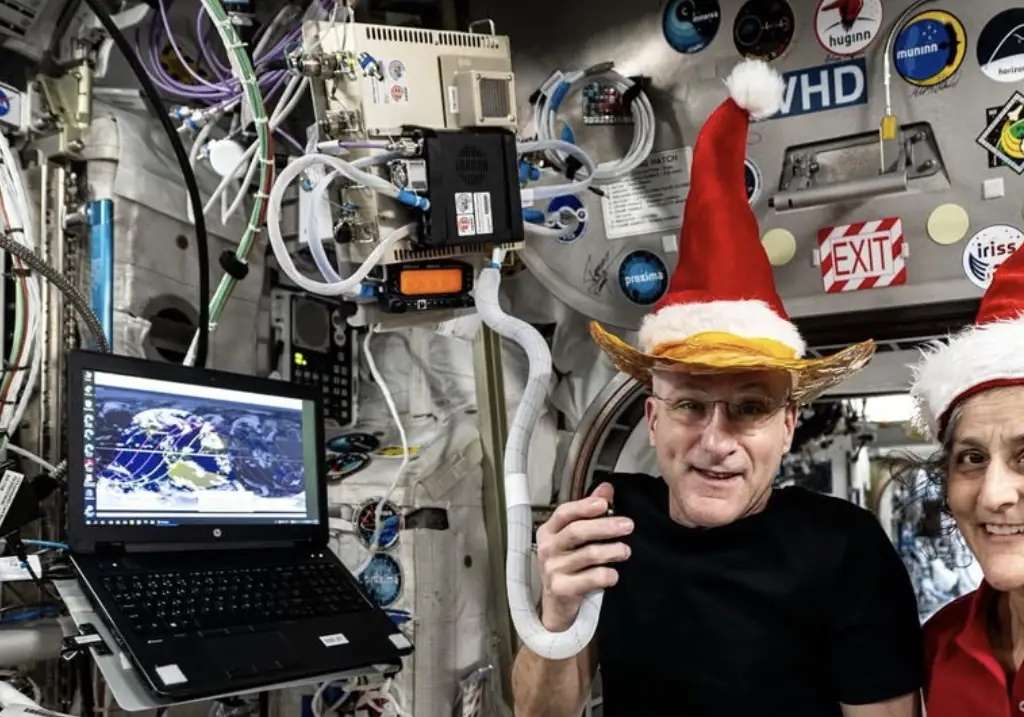
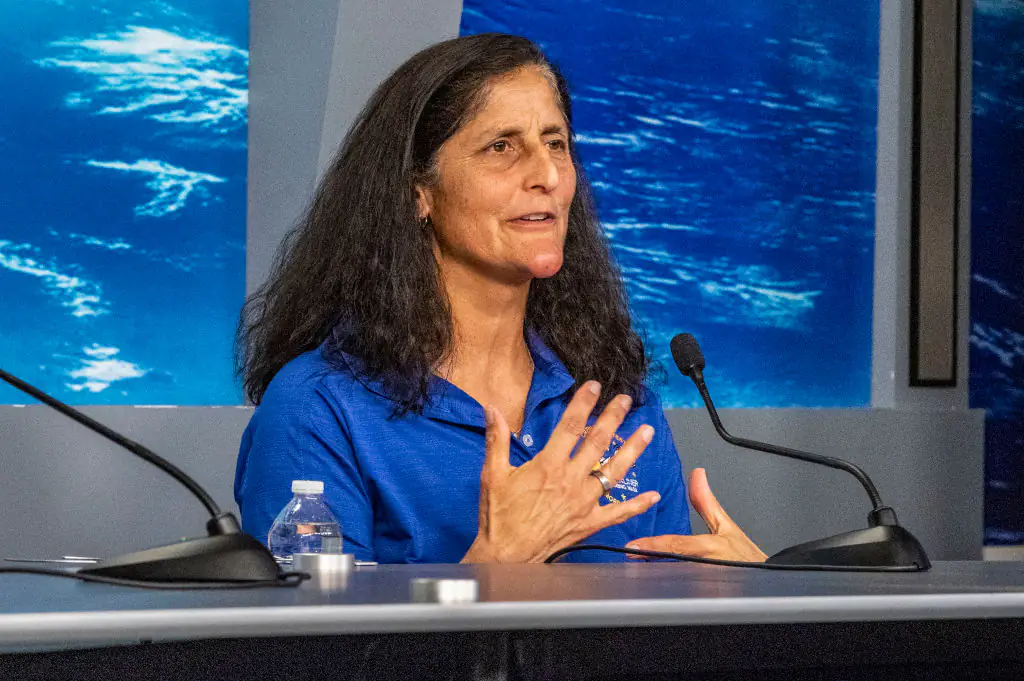
Last month, images of Williams aboard the ISS circulated online, prompting concern among social media users.
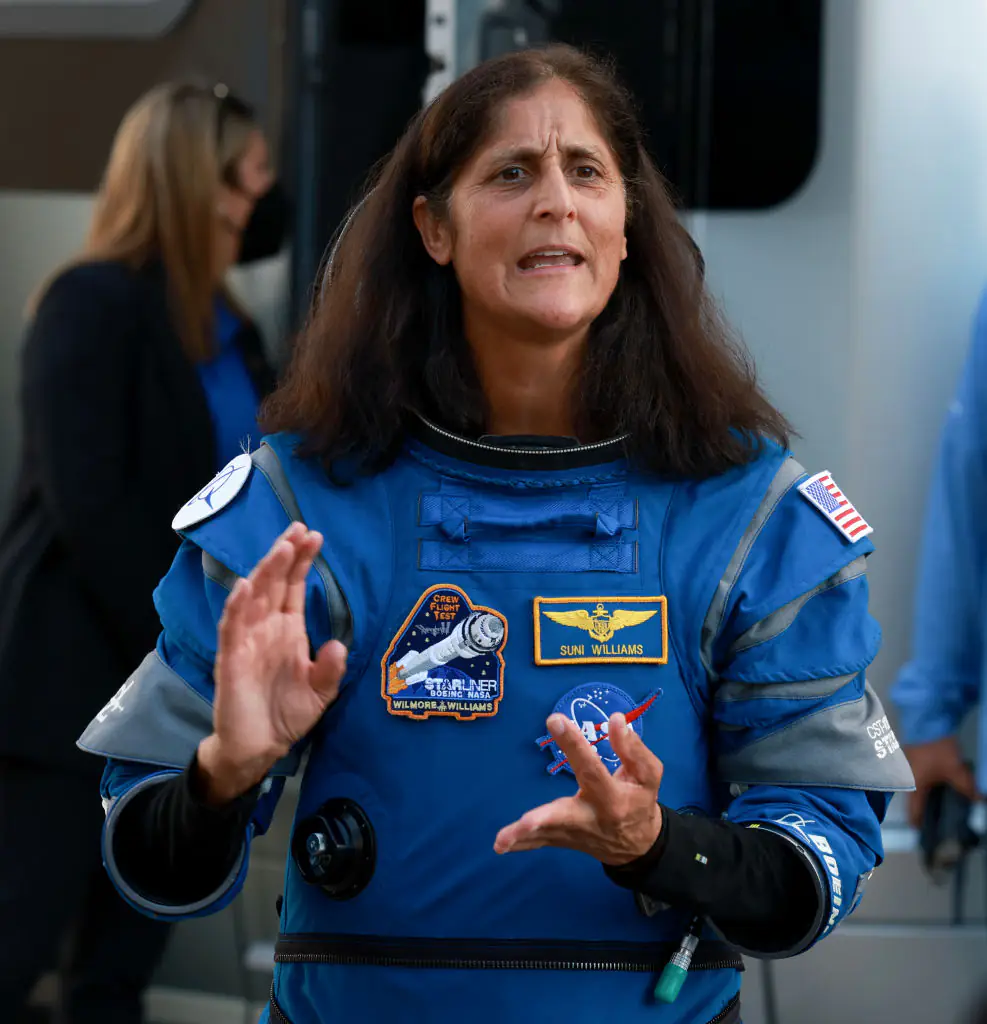
Some speculated that the astronaut looked unwell. "Suni Williams' condition doesn't look good," one user tweeted, while another commented: "It looks like those two American astronauts stuck in the ISS are not in good health, especially Suni Williams."
Experts weighed in as well, with Dr. Vinay Gupta telling the Daily Mail: "What you're seeing there in that picture is somebody that I think is experiencing the natural stresses of living at a very high altitude, even in a pressurized cabin, for extended periods."
However, Williams, who has been in space for over six months, was quick to address the rumors.
During a recent appearance on the New England Sports Network Clubhouse Kids Show, she reassured viewers that she is in excellent health.
Williams explained the phenomenon of "fluid shift", which occurs in space and causes bodily fluids to move upwards, giving astronauts the appearance of a puffier face and thinner legs.
"Folks in space, you know, their heads look a little bit bigger because the fluid evens out along the body," she said, explaining her altered appearance in the photos.
Contrary to the concerns, Williams shared that she has actually gained muscle mass during her extended stay in space, particularly in her thighs and glutes, thanks to a rigorous exercise regimen that includes squats.
"My thighs are a little bit bigger, my butt is a little bit bigger," she joked.
world5 min(s) read
Published 15:12 16 Mar 2025 GMT
us7 min(s) read
Published 01:44 19 Mar 2025 GMT
After an unexpected nine-month stay in space, NASA astronauts Sunita "Suni" Williams and Barry "Butch" Wilmore have triumphantly returned to Earth.
Their mission, initially slated for a brief eight-day stint, transformed into an extended stay aboard the International Space Station (ISS) due to unforeseen technical challenges.
In June 2024, Williams and Wilmore embarked on a mission aboard Boeing's CST-100 Starliner, marking its inaugural crewed test flight.
The plan was straightforward: spend eight days in space, conduct essential tests, and return home.
However, upon docking with the ISS, the Starliner experienced propulsion system malfunctions - critical for slowing the capsule upon re-entry - rendering it unsafe for the crew's return journey, per CNN.
NASA, prioritizing astronaut safety, made the prudent decision to send the Starliner back to Earth unmanned in September 2024, leaving Williams and Wilmore aboard the ISS to await an alternative ride home.
NASA Administrator Bill Nelson has defended this decision, saying: “Spaceflight is risky, even at its safest and most routine. A test flight, by nature, is neither safe, nor routine. The decision to keep Butch and Suni aboard the International Space Station and bring Boeing’s Starliner home uncrewed is the result of our commitment to safety: our core value and our North Star."
During their extended tenure, Williams and Wilmore seamlessly integrated into the ISS crew, contributing significantly to the station's operations.
They participated in over 150 experiments, dedicating approximately 900 hours to research that holds promise for future deep-space missions and the quest to land humans on Mars.
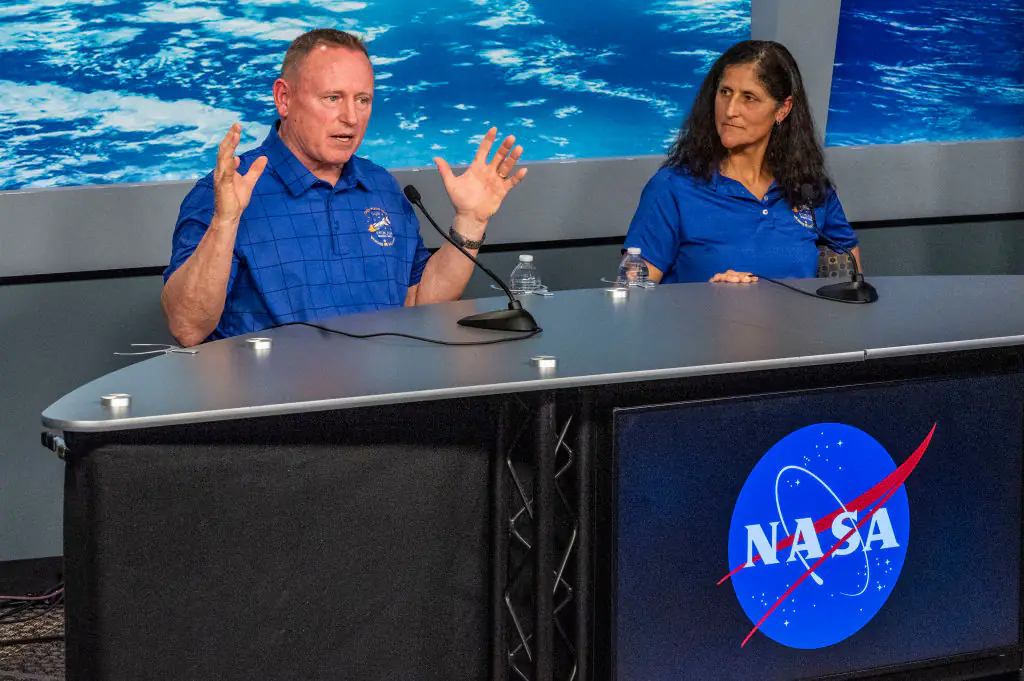
Speaking at today's press conference marking the crew's return home, Joel Montalbano, Deputy Associate Administrator of NASA's Space Operations Mission Directorate, said: “Suni and Butch did 150 experiments and 900 hours of research during their stint on the ISS.”
Their roles expanded beyond research; they undertook routine maintenance tasks and even conducted spacewalks to upgrade the station's systems. Montalbano stressed that the work carried out "benefits the nation" and increases the chance that NASA will be successful in hitting its goal of landing a person on Mars by the end of the decade.
The path to their return was meticulously planned. NASA collaborated with SpaceX to facilitate the astronauts' safe journey back to Earth.
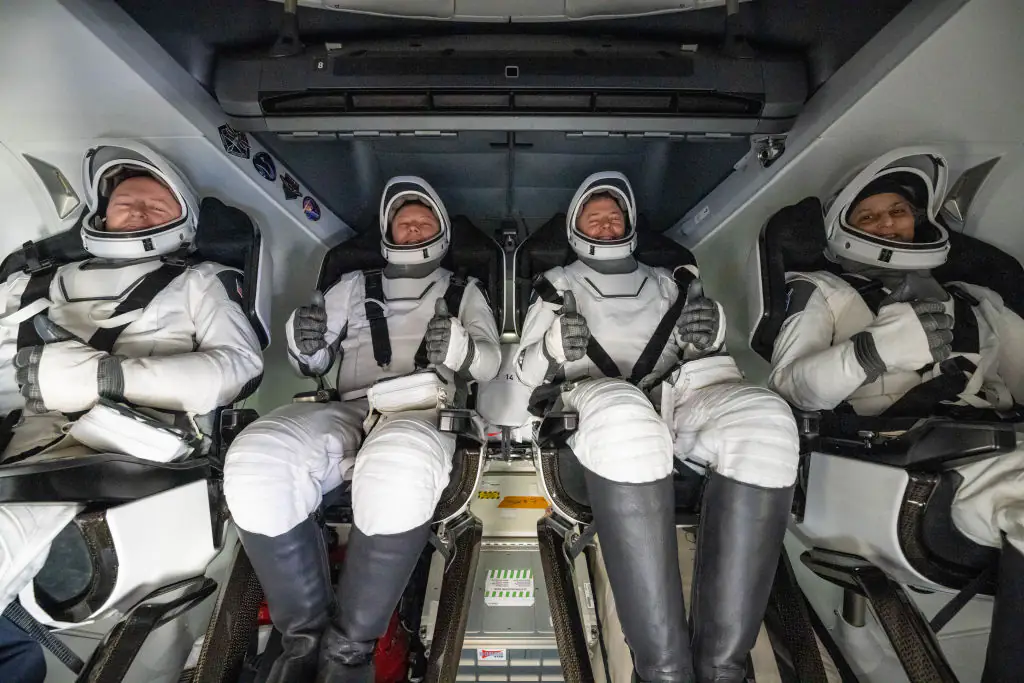
Williams and Wilmore, along with NASA astronaut Nick Hague and Russian cosmonaut Aleksandr Gorbunov, boarded the SpaceX Crew Dragon capsule -- the aptly named "Freedom".
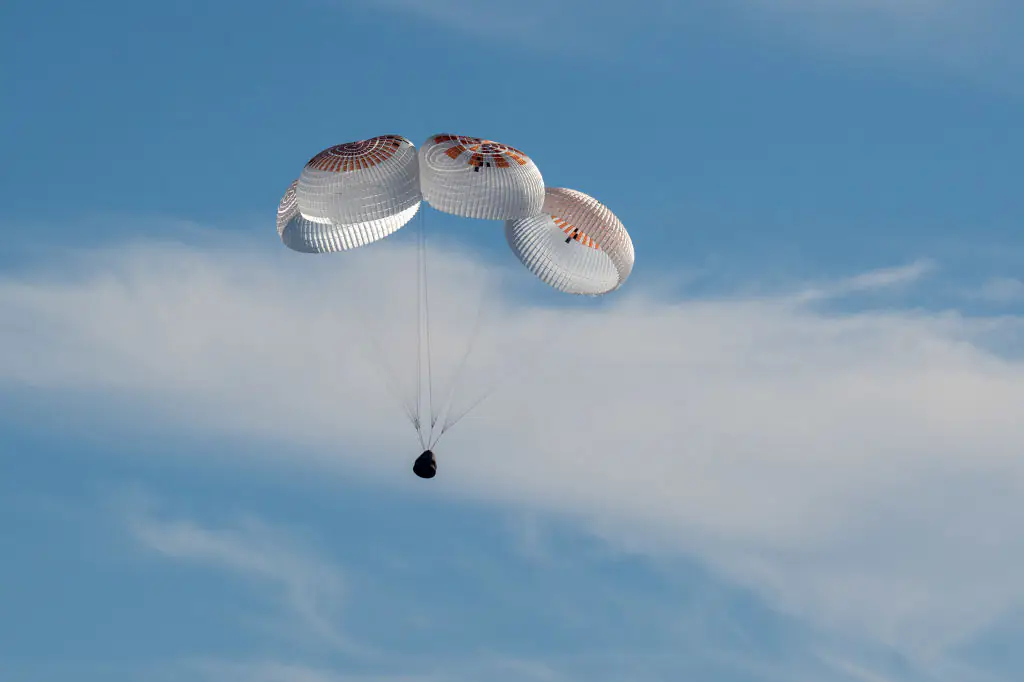
After a 17-hour voyage, the capsule executed a flawless re-entry, deploying its parachutes and gently splashing down off the coast of Tallahassee, Florida, at 5:57PM ET on March 18, 2025.
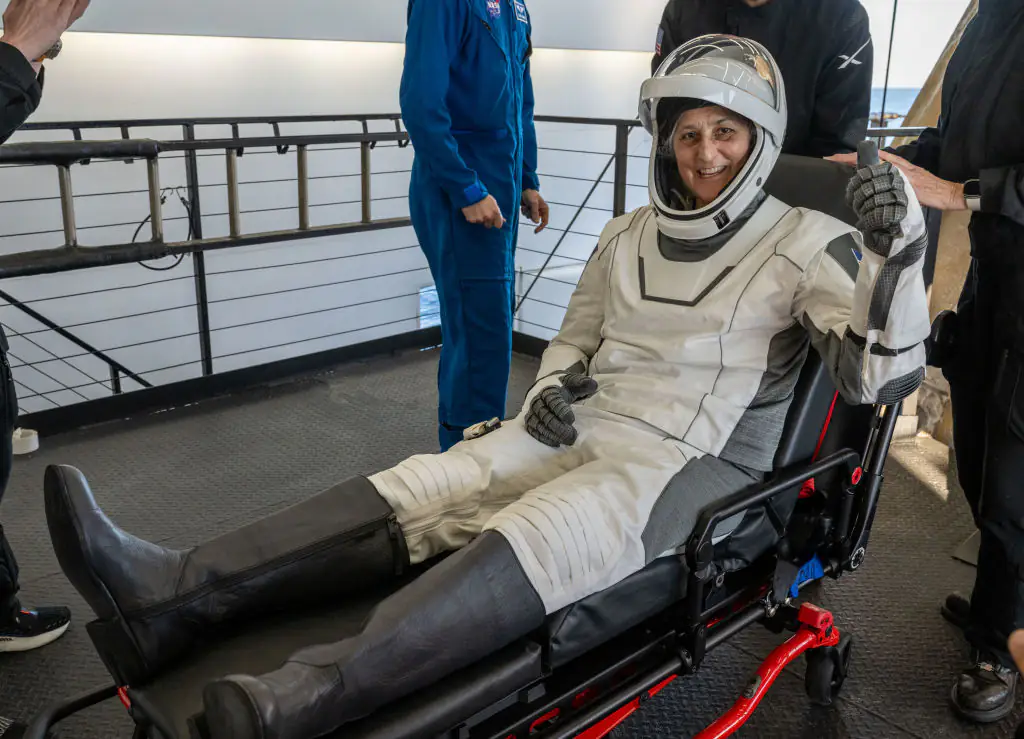
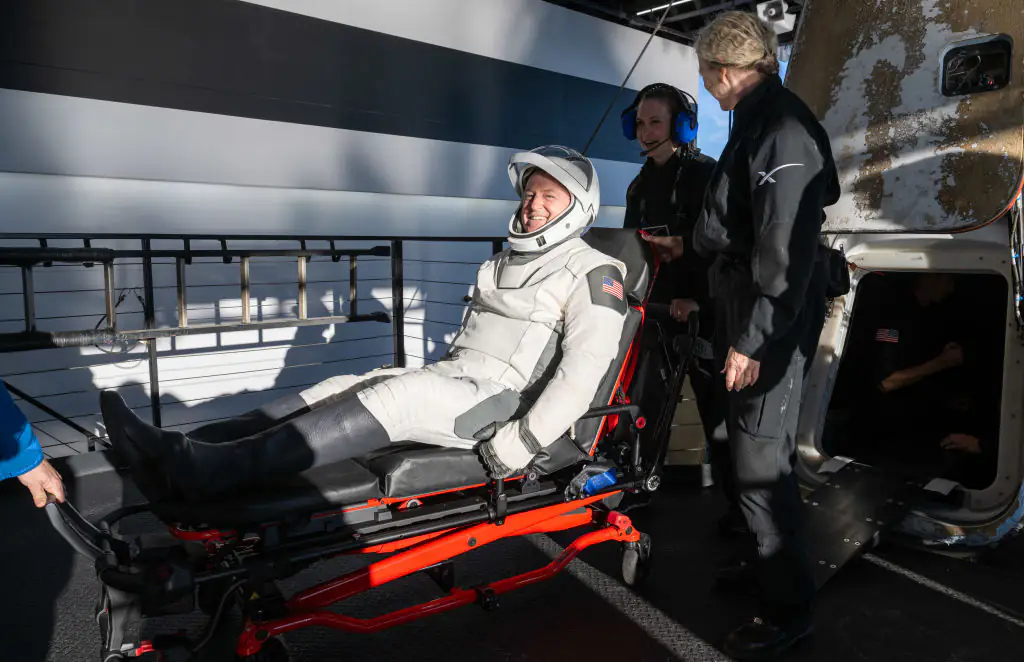
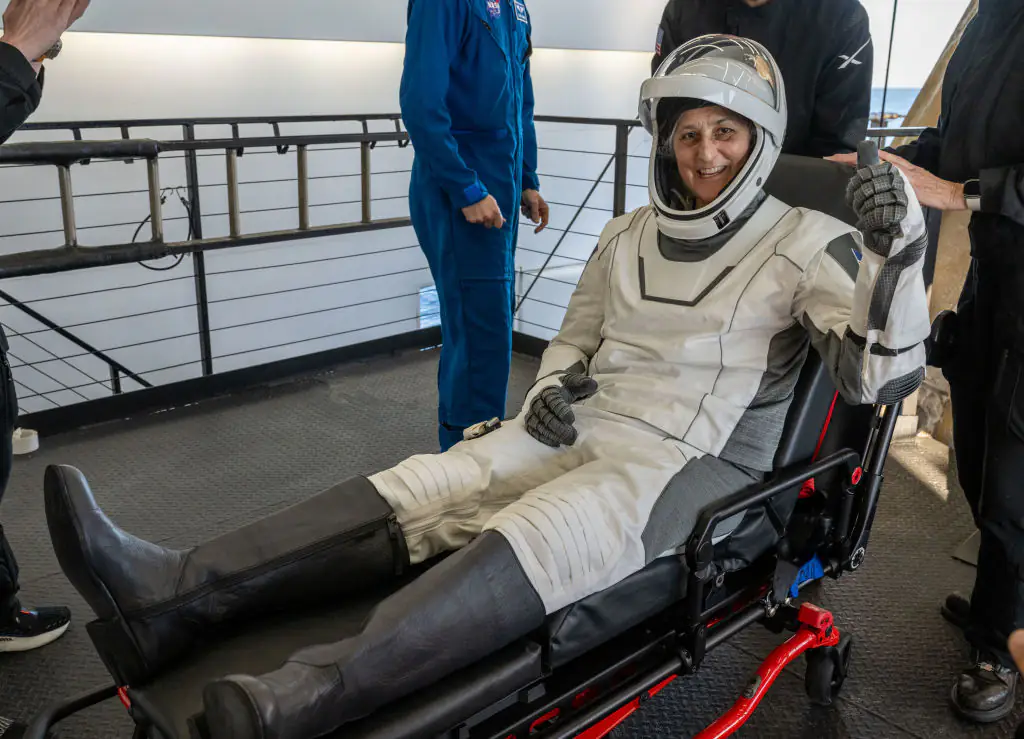
As the hatch opened, the astronauts emerged smiling and waving, their joy palpable with the nation after months in microgravity.
In a delightful twist, a pod of dolphins greeted the astronauts' capsule as it bobbed in the ocean, awaiting retrieval.
Once aboard the recovery ship, the crew underwent standard medical evaluations to assess their readjustment to Earth's gravity. Personalized footrests were provided to help ease them back into the effects of gravity.
They are expected to spend some time reacclimating and will soon reunite with their families.
Former NASA astronaut Terry Virts has recently described his own struggles upon returning from the ISS and shared what Williams and Wilmore are likely to experience.
“For me, I felt two things: I felt really heavy and really, really dizzy," he said. Virts added that it took time for his sense of balance to fully recover.
NASA astronaut Leroy Chiao explained on NewsNation Prime that the returning crew may experience a painful condition known as "baby feet"
"You basically lose the thick part of the skin on your feet. You kind of have baby feet when you come back," Chiao said.
This transformation makes walking painful and uncomfortable until the skin toughens up again — a process that can take anywhere from a few weeks to a couple of months.
Chiao also echoed Virts' comments regarding severe dizziness and balance disruption. “To me, it feels kind of like having the flu. It takes a couple of weeks to get back to normal,” he said.
Other common issues facing returning astronauts include:
NASA reportedly has a strict post-space rehabilitation program designed to help astronauts gradually reacclimate to Earth’s gravity. This includes:
Throughout their prolonged mission, narratives emerged suggesting that Williams and Wilmore were "stranded" in space.
However, both astronauts and NASA officials refuted these claims.
"We came up prepared to stay long even though we planned to stay short; that is what we do in human spaceflight," Wilmore previously told reporters, per Space.com.
NASA emphasized that - despite the extended duration - the crew remained safe, engaged, and fully supported. The decision to delay their return was rooted in safety considerations and the availability of a reliable spacecraft to ensure their secure passage home.
Per BBC News, NASA’s Associate Administrator Ken Bowersox addressed their extended stay, explaining: “The SpaceX folks helped us with a lot of options for how we would bring Butch and Suni home on Dragon in a contingency.”
Though NASA explored multiple return strategies, none were deemed practical due to budget constraints and the necessity of maintaining ISS operations.
“But we ruled them out pretty quickly just based on how much money we've got in our budget, and the importance of keeping crews on the International Space Station,” Bowersox added. “They're an important part of maintaining the station.”
With their return to Earth, Wilmore and Williams will have spent approximately 285 days in space, making them the sixth longest-serving NASA astronauts for a single mission.
Their time in space is just shy of Peggy Whitson’s 289-day record, while Frank Rubio holds the longest NASA spaceflight record at 371 days, per the New York Post.
During their time in space this mission, they completed 4,576 trips around Earth.
us4 min(s) read
Published 10:42 18 Mar 2025 GMT
After what was meant to be a 10-day mission, Butch Wilmore and Suni Williams are finally heading home from space after nine months.
Wilmore, 62, and Williams, 59, initially embarked on their mission last June, expecting to stay in space for only 10 days.
However, their return was derailed when their Boeing Starliner capsule suffered leaks and mechanical issues, forcing NASA to send the spacecraft back to Earth without anyone onboard.
The setback was a major blow to Boeing’s commercial spaceflight program, leaving SpaceX as the only viable backup to bring the stranded astronauts home.
Since then, Wilmore and Williams have been forced to wait for a ride on the return shuttle of fellow American Nick Hague and Russian cosmonaut Aleksandr Gorbunov, who were scheduled to leave only after SpaceX’s Crew-10 mission arrived at the ISS.
The long delay has stirred political controversy, with SpaceX CEO Elon Musk claiming that efforts to bring Wilmore and Williams back earlier were blocked by former President Joe Biden’s administration.
However, White House officials have strongly denied these allegations, insisting that politics played no role in the mission’s timeline.
As a result of these delays, Wilmore and Williams will have spent approximately 285 days in space, making them the sixth longest-serving NASA astronauts for a single mission.
Their time in space is just shy of Peggy Whitson’s 289-day record, while Frank Rubio holds the longest NASA spaceflight record at 371 days, per the New York Post.
After multiple delays, Wilmore and Williams are set to return aboard SpaceX’s Crew Dragon capsule, Freedom. The spacecraft will re-enter Earth’s atmosphere Tuesday, with a planned splashdown off the coast of Florida around 5:57PM.
Their replacements from the Crew-10 mission, operated jointly by NASA and SpaceX, arrived over the weekend, allowing Wilmore and Williams to officially hand over their duties.
While their journey back will take just 17 hours, their full recovery from nearly 10 months in space will take much longer.
Like many astronauts after extended space missions, they’re likely to experience "baby feet"—a condition caused by prolonged exposure to microgravity that makes walking painful and difficult.
“After six months to a year, you basically lose the thick, calloused skin on your feet,” retired NASA astronaut Leroy Chiao explained on NewsNation Prime. “You kind of have baby feet when you come back.”
Since astronauts float in space rather than walk, the soles of their feet don’t experience the same pressure and friction they do on Earth.
Over time, the calloused skin softens, making the first steps back in Earth's gravity particularly uncomfortable. It can take weeks or even months for their feet to toughen up again.
But "baby feet" is just one of the many physical challenges Wilmore and Williams will face upon reentry. According to Chiao, dizziness and balance issues are among the most immediate effects.
“To me, it feels kind of like having the flu. It takes a couple of weeks to get back to normal,” he said.
us3 min(s) read
Published 13:53 19 Mar 2025 GMT
NASA has revealed why two stranded astronauts had to spend nine months in space after an intended eight-day mission.
What was originally planned as an eight-day mission turned into an extended 285-day stay at the International Space Station due to unforeseen technical issues, logistical challenges, and budget constraints.
Suni Williams and Butch Wilmore’s mission aboard Boeing’s CST-100 Starliner was supposed to be a brief test flight to assess the new spacecraft’s capabilities.
They launched in June 2024, but upon arrival at the ISS, a critical propulsion system malfunction rendered the Starliner unsafe for re-entry, per CNN.
With safety as a priority, NASA decided to return the Starliner to Earth unmanned in September 2024, leaving the astronauts aboard the ISS to wait for an alternative ride home.
Though their extended stay fueled speculation and political controversy, NASA officials have repeatedly denied claims that the astronauts were "stranded" in space.
NASA Administrator Bill Nelson defended the decision, stating: "Spaceflight is risky, even at its safest and most routine. A test flight, by nature, is neither safe, nor routine.
"The decision to keep Butch and Suni aboard the International Space Station and bring Boeing’s Starliner home uncrewed is the result of our commitment to safety: our core value and our North Star."
While some - including SpaceX CEO Elon Musk - suggested that politics delayed their return, NASA’s Associate Administrator Ken Bowersox offered a different explanation: "The SpaceX folks helped us with a lot of options for how we would bring Butch and Suni home on Dragon in a contingency," he said.
However, despite having multiple options, budget constraints ultimately limited NASA’s ability to bring them home sooner.
"We ruled them out pretty quickly just based on how much money we've got in our budget, and the importance of keeping crews on the International Space Station," Bowersox explained.
NASA emphasized that the best course of action was to delay their return until March 2025, ensuring a safe and coordinated mission with SpaceX's Crew Dragon spacecraft.
During their prolonged stay, Williams and Wilmore became integral members of the ISS crew, contributing over 900 hours to scientific research and completing 4,576 orbits around Earth.
NASA Deputy Associate Administrator Joel Montalbano praised their efforts, stating: "Suni and Butch did 150 experiments and 900 hours of research during their stint on the ISS."
Their work helped advance deep-space exploration and brought NASA closer to its goal of landing humans on Mars by the end of the decade.
NASA partnered with SpaceX to bring Williams and Wilmore home. The astronauts, along with NASA astronaut Nick Hague and Russian cosmonaut Aleksandr Gorbunov, boarded the SpaceX Crew Dragon capsule, “Freedom”, for their return trip.
After a 17-hour journey, the capsule splashed down off the coast of Tallahassee, Florida, at 5:57PM ET on March 18, 2025.
As the hatch opened, the astronauts emerged smiling and waving, clearly relieved and excited to be back on solid ground.
After nearly 10 months in microgravity, Williams and Wilmore will undergo an extensive rehabilitation program to readjust to Earth’s gravity.
space4 min(s) read
Published 17:03 13 Mar 2025 GMT
NASA’s mission to bring home two astronauts who have been stranded on the International Space Station (ISS) for nine months has hit yet another delay.
A SpaceX Falcon 9 rocket was supposed to carry a fresh crew to the ISS and pave the way for the return of Sunita Williams and Butch Wilmore - two astronauts who have been stuck in orbit since June.
However, the mission, which was set to launch on Wednesday night (March 12) from Kennedy Space Center, was abruptly scrubbed less than 30 minutes before takeoff due to a "hydraulic ground" issue, Daily Mail reported.
The four-person replacement crew included Japan’s Takuya Onishi, Russia’s Kirill Peskov, and NASA astronauts Anne McClain and Nichole Ayers.
They were already strapped into their seats when the last-minute issue forced officials to halt the launch.
At 6:55PM, just 50 minutes before liftoff, SpaceX had posted behind-the-scenes photos of the astronauts, enthusiastically declaring: "Crew-10 is go for launch!" However, a technical malfunction with the clamp arm forced the mission to abort.
One by one, the crew members were removed from the rocket and driven away in specialized Teslas to a quarantine facility in Florida, where they will stay until the next launch attempt.
"We will not launch unless we know we can do so safely and reliably," a SpaceX commentator assured viewers during the livestream.
NASA and SpaceX are now targeting Thursday evening (March 13) for another launch attempt, with Friday (March 14) as a backup option. If successful, Williams and Wilmore could finally return home by Monday.
The delay comes amid controversial claims from Elon Musk, who alleged that the Biden administration intentionally pushed back the rescue mission for political reasons.
During a recent appearance on The Joe Rogan Experience, Musk claimed that the White House delayed the astronauts’ return because it would have helped Donald Trump in the presidential race against Kamala Harris.
The 53-year-old billionaire, who donated $288 million to Trump’s campaign and has been seen at MAGA rallies, also said that he had offered to bring the stranded astronauts home eight months ago, but the Biden administration rejected the offer.
According to him, at the time, the White House was also involved in legal action against SpaceX, which he suggested played a role in the decision.
NASA has not officially addressed Musk’s claims. However, Ken Bowersox, associate administrator for NASA’s Space Operations Mission Directorate, acknowledged that there may have been political discussions about delaying the return.
Bowersox admitted that there "may have been conversations" in the White House about delaying the return for political reasons, but he was not part of the discussions.
He also stated that SpaceX had been working with NASA since July to develop a backup return plan for the Starliner mission - the Boeing spacecraft that initially took Williams and Wilmore to the ISS.
Williams and Wilmore were originally set for an eight-day mission aboard Boeing’s Starliner spacecraft, launching on June 5, 2023. However, technical malfunctions, including thruster failures and helium leaks, forced NASA to send the spacecraft back to Earth without its crew in September.
Since then, NASA has struggled to find a solution, with budget constraints ruling out other potential rescue options.
Now, the plan is for Williams and Wilmore to return inside SpaceX’s Crew-9 Dragon capsule, which is already docked at the ISS.
They will be accompanied by NASA astronaut Nick Hague and Russian cosmonaut Aleksandr Gorbunov.
NASA typically allows a five-day transition period when switching out ISS crews. However, to conserve food supplies and ensure more undocking opportunities, officials have decided to shorten the handover period to just two days.
Williams and Wilmore are expected to depart about 48 hours after Crew-10 arrives - but only if there are no further delays.