


World4 min(s) read
Deadly virus with no cure and ‘epidemic potential’ prompts airports to introduce Covid-style checks
.webp_QQJmGo?tr=cr-345.0.1535.1190,f-webp,q-70,w-100)
In recent weeks, strict measures akin to Covid-style restrictions have been introduced at various airports worldwide due to an alarming outbreak of the Nipah virus.
Currently, there is no known cure for this deadly disease, which has prompted global health authorities to take immediate action, per the Independent.
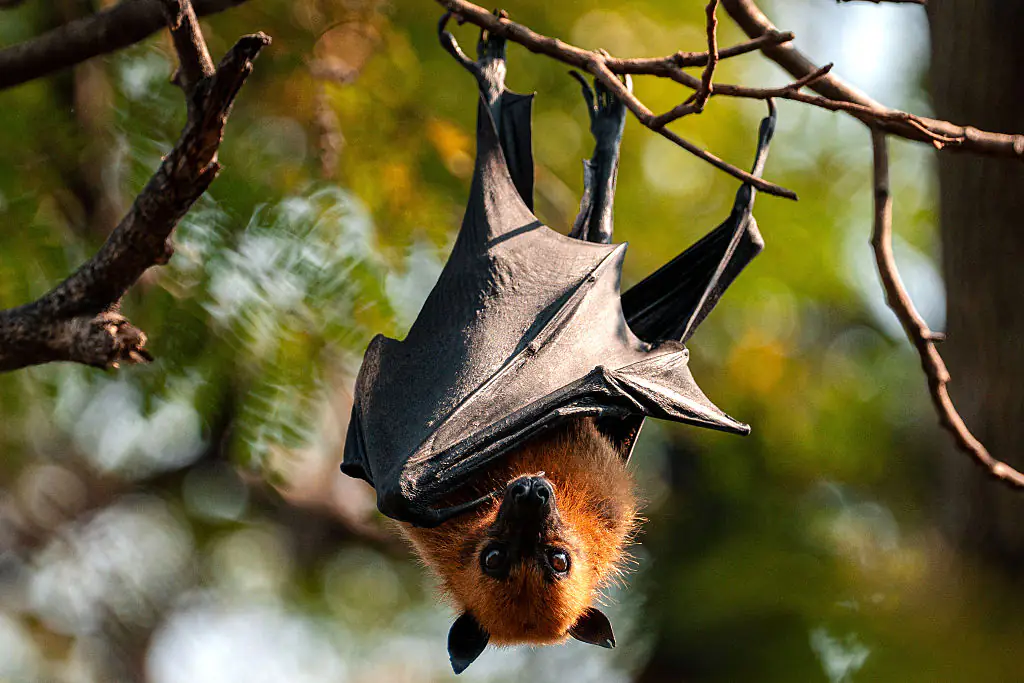
The Nipah virus, a bat-borne illness, has been classified by the World Health Organization (WHO) as a high-risk pathogen, capable of causing an epidemic.
This virus is not new; it first emerged in 1999 among pig farmers in Malaysia. However, its potential for widespread transmission and the severity of its symptoms make it a major cause for concern.
The Latest Outbreak in India: What We Know
As of now, five cases of Nipah virus have been confirmed in West Bengal, India. In response, nearly 100 individuals have been placed under quarantine, raising fears that the virus could spread rapidly.
With the virus being transmissible between humans, animals, and even through contaminated food, authorities are on high alert.
Symptoms of the Nipah virus include fever, headaches, muscle pain, sore throat, dizziness, drowsiness, and neurological issues such as altered consciousness.
In severe cases, the infection can lead to death, with mortality rates ranging from 40% to 75%. The WHO’s concern is based on the virus's potential to cause an epidemic, especially given its high fatality rate.
Global Airports on High Alert
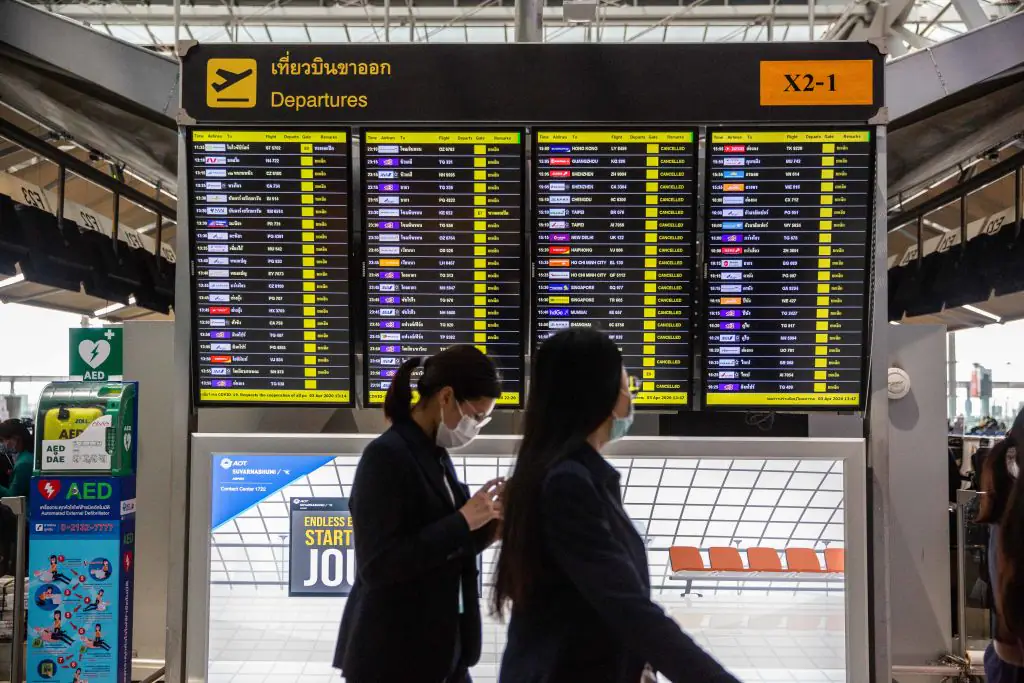
In an effort to prevent the virus from spreading beyond India’s borders, several airports in Asia have ramped up their security measures, per BBC News.
Countries including Thailand, Nepal, and Taiwan have introduced strict health checks for passengers arriving from regions where the virus is active.
Thailand’s Department of Disease Control has implemented screening protocols at both Suvarnabhumi and Don Mueang airports.
"Thailand's Department of Disease Control screens travellers from West Bengal, India at Suvarnabhumi & Don Mueang airports starting 25 January amid Nipah virus outbreak. Health officials implement strict measures as passengers show excellent cooperation at checkpoints," the Thai government announced.
Additionally, passengers arriving from high-risk areas are being monitored for fever and other viral symptoms.
Those who show potential signs of infection are given a 'Health Beware Card,' advising them to seek medical attention immediately if they experience any of the symptoms associated with the Nipah virus.
Rising Alert Levels in Nepal and Taiwan
Similarly, Nepal and Taiwan have raised their alert levels in response to the outbreak. In Taiwan, the Nipah virus is being classified as a Category 5 notifiable disease, which is the highest possible classification for emerging infectious diseases.
Health officials in both countries are working to ensure that the virus does not spread further, and travelers are being carefully monitored.
India’s Experience with Nipah Virus Outbreaks
This outbreak may seem concerning, but it’s not the first time India has faced the threat of Nipah virus. In fact, this marks the ninth outbreak in the country since 2001.
While each outbreak has been deadly, India's government has developed considerable experience in managing and containing the virus. Their response strategy has been effective in limiting the spread, but the ongoing vigilance of health authorities remains crucial.
Though the current outbreak is largely confined to Asia, many are wondering about the possibility of the Nipah virus spreading globally. While it’s natural to be concerned, experts suggest that the likelihood of the virus reaching the UK and beyond is minimal.
Dr. Suzanne Wylie, speaking to Cosmopolitan, reassured the public with her expertise: "Nipah outbreaks have historically been geographically restricted to parts of Asia, and there is no evidence of sustained transmission outside these areas."
Dr. Wylie further explained that public health authorities are well-prepared to manage any cases that may arise due to international travel.
"Public health authorities have processes in place to assess and manage infections brought into the country via travel, and clinicians are trained to consider rare infections like NiV in the right clinical and exposure context."