


World6 min(s) read
Job expert reveals 5 jobs that could help you avoid conscription if World War 3 breaks out
.webp_QQJmGo?tr=cr-345.0.1535.1190,f-webp,q-70,w-100)
Due to escalating tensions in the Middle East and a dramatic U.S. military move against Venezuela and strikes in Iran, ordinary people across the United Kingdom and the United States are left asking the same unsettling question: what would happen if a third world war broke out — and who would be pulled into it?
As social media speculation heats up and experts weigh in, we break down what conscription looked like historically, what could happen today, and what rules might take effect if nations were to revive compulsory service.
How Conscription Worked in World War Two
When World War Two broke out, the UK didn’t start conscription immediately.
In fact, it began around six months before war was officially declared, targeting men aged 20 to 22 to sign up first in 1939.
Once the war was underway, the rules expanded dramatically: anyone aged 18 to 41 who wasn’t “medically unfit” was required to serve.
By 1941 the government had widened the net even further — bringing women and “childless widows” aged 20 to 30 into the war effort and increasing the age limit for men to 51.
Men older than this were not off the hook entirely; many were told to take part in “some form of military service, up to the age of 62.”
This massive mobilization kept the country fighting during its most perilous hours — but could it happen again?
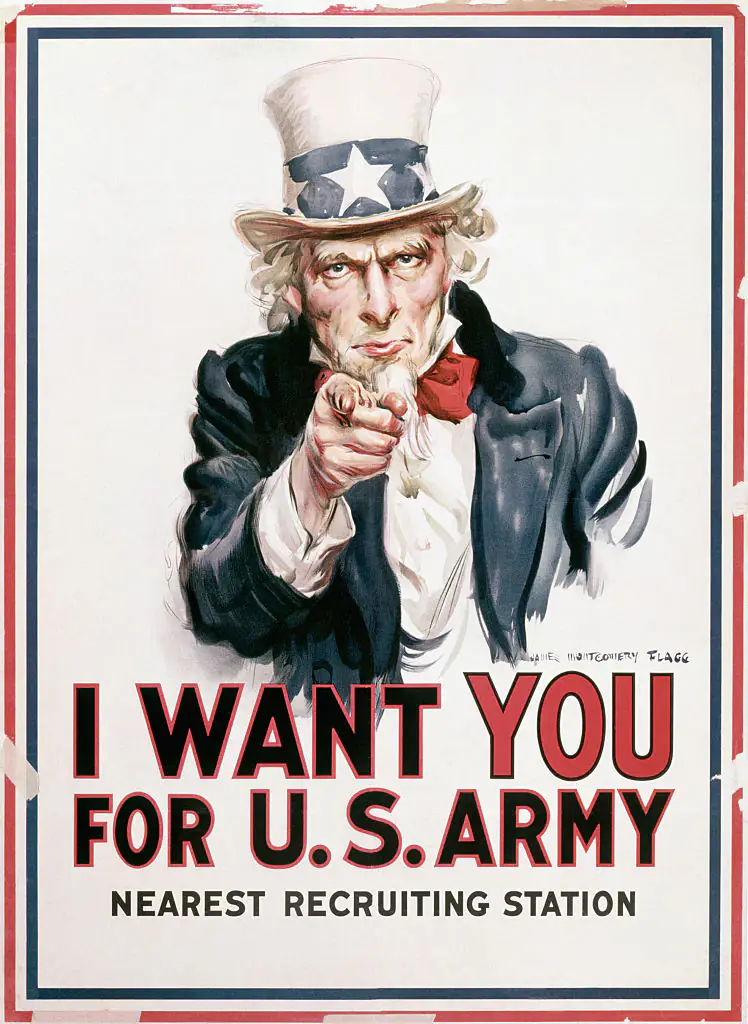
UK Expert Shares Who Might Be Exempt from Conscription
The Express spoke with business start-up specialist and social media personality Steph Chulo, who offered up her take on who might be excused if a World War Three-style conscription started in the UK.
1. Medical Exemptions
Steph said the “obvious” group to be exempt would be people with health concerns.
She explained: “We are talking about those with asthma, mobility issues - anything that will stop you being useful in a war scenario.”
2. Conscientious Objectors
Some people who don’t believe in a war might still be pulled into service — just not on the battlefield.
Steph shared: “Just because you don't believe in the war, doesn't mean you are not going to be involved, you're just not going to be fighting.”
She added that these objectors would likely be steered into essential work like postal, food, and medical services.
3. Protected Professions
Certain jobs that keep society functioning might be deemed too vital to lose.
“They include roles like police, fire service, train drivers, nuclear scientists and farmers,” Steph said.
“These are all roles the UK needs to keep in the UK. These will help to keep society functioning if there was a war.”
4. Students
According to Steph, students may not be forced into service.
This could have surprising consequences: university admissions might “skyrocket” if conscription were looming.
5. Carers
Carers and single parents are another group Steph thinks would be left at home rather than sent to the front lines.
She called this group “obvious” — suggesting war planners would recognise their roles need protecting.
6. People Over 50
Steph painted a stark picture for people in their 30s and 40s.
She warned: “So you have to be at least 18 and no more than a certain age that they will decide. This realistically is going to be about 50, so if you are around 30 or 40 and thinking you are safe - think again.”
Despite these theories, Steph urged caution and calm.
She said: “Although things are looking a little bit exciting in the Middle East right now, it doesn't mean we are going to go into conscription straight away for this.”
.jpg_OuAwNe?tr=f-webp,q-70,w-1024)
Could the U.S. Reinstate the Draft?
The United States is dealing with its own explosive headlines after recent strikes in Iran.
This has raised questions about whether the U.S. could bring back conscription — legally known as “the draft” — if tensions spiralled.
Right now, nearly all male citizens and male immigrants must register with the U.S. Selective Service system by age 18 — including undocumented immigrants.
Failing to register isn’t just a missed checkbox. According to the Selective Service website, those who don’t could face:
- A fine of up to $250,000 and/or five years in prison
- Ineligibility for state-based student loans and grants in 31 states
- Ineligibility for federal job training programs
- Disqualification from many federal jobs and some state and local jobs
- Up to a five-year delay in U.S. citizenship proceedings for immigrants
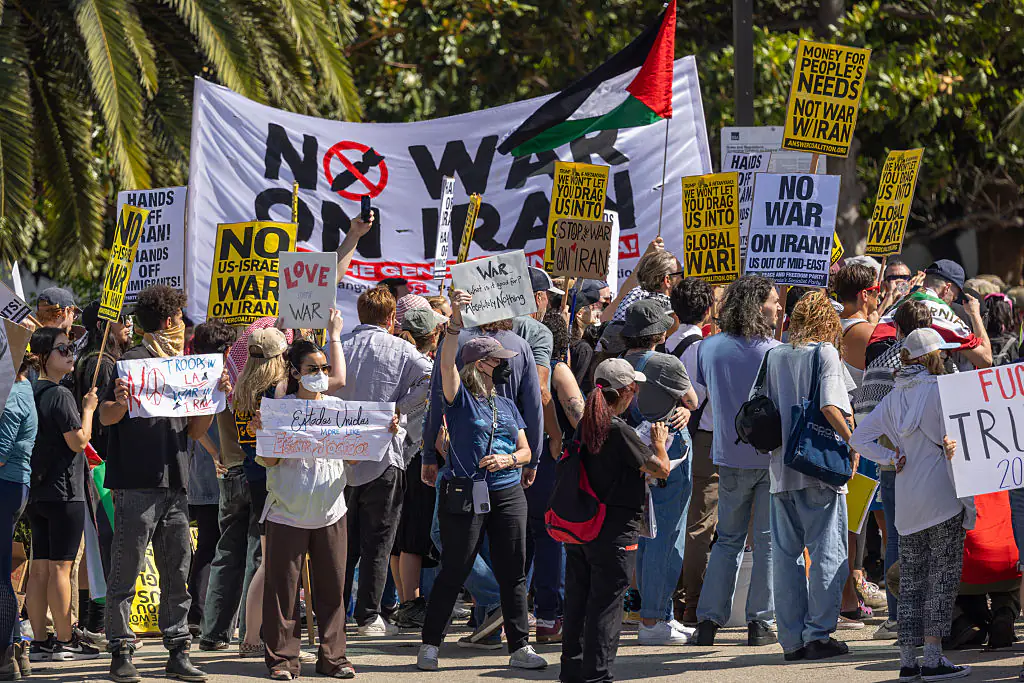
Step-By-Step: How a U.S. Draft Would Work
The U.S. has a legal process in place if a draft were ever to be needed:
Step 1: Congressional Approval
First, Congress would have to amend the Military Selective Service Act to give the President the authority to induct people into the Armed Forces. Without this, a draft cannot happen.
Step 2: Activation of the Selective Service
Once approved, the Selective Service would spring into action, ordering all registrants to report for duty. Area offices would open to process claims for deferment, postponement, and exemption — including conscientious objectors and those citing hardships.
Step 3: The Draft Lottery
The draft would hinge on a national lottery, broadcast publicly and possibly live-streamed. Birthdays and numbers would be drawn to determine who gets called first.
According to Selective Service guidelines: “The first to receive induction orders are those whose 20th birthday falls during the year of the lottery.”
If more people are needed, the process moves progressively upward in age — calling on those turning 21, then up to age 25. After that, lotteries for those turning 19 or 18.5 years old would follow.
Step 4: Physical and Moral Evaluation
Once called, potential inductees go to a Military Entrance Processing Station (MEPS) for a thorough physical, mental, and moral evaluation. Those who pass are inducted into the Armed Forces; those who fail are sent home.
If the draft were activated, the government would have 193 days to deliver its first inductees to military duty — a tight deadline in a national emergency.
Individuals who receive induction orders must follow the Selective Service’s instructions. They would head into further training and preparation before being formally integrated into military service.