


World4 min(s) read
First U.S. citizens who would get drafted if WW3 erupts as Zelenskyy warns Putin has already started it
.webp_QQJmGo?tr=cr-345.0.1535.1190,f-webp,q-70,w-100)
As tensions escalate across continents and world leaders exchange increasingly stark warnings, one unsettling question is beginning to loom large in the United States: if World War III does erupt, who exactly would be called up to fight?
The concern intensified after Ukraine’s president delivered a blunt assessment of the conflict with Russia — claiming the global showdown may already be underway.
Zelensky Says World War III Has Already Begun
Speaking from a heavily guarded government compound in Kyiv, Volodymyr Zelensky struck a defiant tone, per BBC News.
Despite mounting pressure for territorial concessions and ceasefire deals, he rejected any suggestion that Ukraine should surrender land to Russia in exchange for peace.
"I believe that Putin has already started it. The question is how much territory he will be able to seize and how to stop him... Russia wants to impose on the world a different way of life and change the lives people have chosen for themselves," he said.
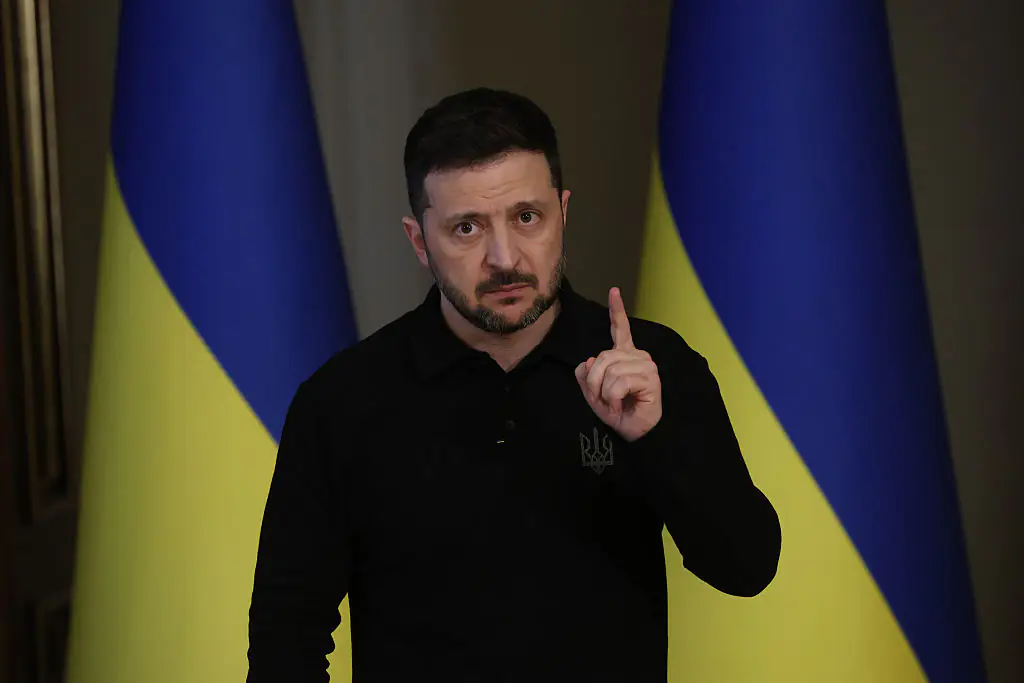
Zelensky dismissed demands that Ukraine hand over parts of Donetsk, Kherson, and Zaporizhzhia as a reasonable compromise.
He said: "I see this differently. I don't look at it simply as land. I see it as abandonment - weakening our positions, abandoning hundreds of thousands of our people who live there. That is how I see it. And I am sure that this 'withdrawal' would divide our society."
He warned that even if concessions satisfied Russian President Vladimir Putin temporarily, it would only buy time.
"It would probably satisfy him for a while... he needs a pause... but once he recovers, our European partners say it could take three to five years," Zelensky said. "In my opinion, he could recover in no more than a couple of years. Where would he go next? We do not know, but that he would want to continue [the war] is a fact."
When asked whether Ukraine could ultimately lose, Zelensky pushed back firmly.
"Where are you now? Today you are in Kyiv, you are in the capital of our homeland, you are in Ukraine. I am very grateful for this. Will we lose? Of course not, because we are fighting for Ukraine's independence."
He broadened the stakes beyond Ukraine’s borders.
"I believe that stopping Putin today and preventing him from occupying Ukraine is a victory for the whole world. Because Putin will not stop at Ukraine."
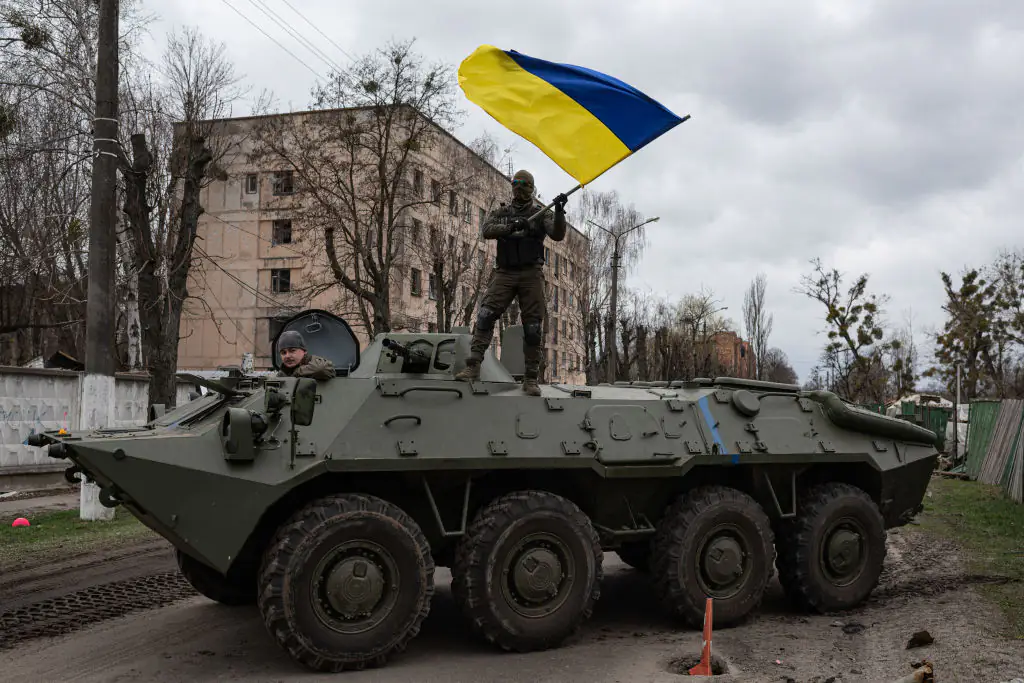
Who Would Be Drafted If The US Enters World War III?
As global instability grows — including a recent US strike on Venezuela and the removal of Venezuelan leader Nicolás Maduro — attention has turned to America’s own military readiness.
If the United States found itself in a protracted global conflict, reinstating the draft would be legally possible — but not automatic.
Under current law, nearly all male citizens and male immigrants must register with the Selective Service when they turn 18. This requirement applies whether they are US citizens or not, including undocumented immigrants.
Failure to register carries significant consequences:
- A fine of up to $250,000 and/or five years in prison
- Ineligibility for state-based student loans and grants in 31 states
- Ineligibility for federal job training programs
- Disqualification from many federal (and some state and local) jobs
- Up to a five-year delay in U.S. citizenship proceedings for immigrants
Before a draft could begin, Congress would need to amend the Military Selective Service Act to authorize the President to induct personnel into the Armed Forces. Without that amendment, a draft cannot legally happen.
If authorized, the Selective Service system would activate. Registrants would be ordered to report, and Area Offices would process claims for deferments, postponements, exemptions, or alternative service — including conscientious objector or hardship claims.
The next stage would be a national lottery, publicly attended and live-streamed, where birthdays are randomly drawn.
"The first to receive induction orders are those whose 20th birthday falls during the year of the lottery," according to Selective Service guidelines.
If more troops were needed, the draft would expand to those turning 21, progressively up to age 25, followed by individuals turning 19 and 18.5.
Those selected would report to a Military Entrance Processing Station for physical, mental, and moral evaluations. Individuals who meet the criteria would be inducted. Those who do not would be sent home.
In a national emergency, the government must deliver the first inductees to military duty within 193 days after authorization.