


World4 min(s) read
Five vital jobs that could save you from being conscripted if World War Three breaks out

Here are five essential jobs that could protect you from being conscripted if World War Three were to break out.
As global tensions escalate, the possibility of being drafted to serve your country is once again becoming a serious consideration.
In response to the increasing threat of conflict, the British government is planning to launch a new gap year military program in March, offering young Brits under 25 a chance to experience military life and gain valuable skills, even if they choose not to enlist full-time.
Those who stay with the Armed Forces will receive additional training for deployment.
.jpg_tZ5wqh?tr=f-webp,q-70,w-1024)
While conscription may seem like something from the past, it is a very real possibility if widespread conflict, such as World War III, were to break out.
During past global wars, key workers such as bakers, farmers, doctors, nurses, and engineers were exempt from being drafted due to the importance of their roles in maintaining national infrastructure.
Additionally, those who objected to fighting on moral grounds, known as "conscientious objectors," were given the option to serve in non-combat roles.
.jpg_pDQXJG?tr=f-webp,q-70,w-1024)
In the event of conscription, certain jobs are likely to remain protected. These positions are essential for keeping the country running and would be prioritized over military service.
Here are five key roles that could save you in the event of a major conflict:
Medical Professionals
Doctors, nurses, and medical staff would be in high demand during wartime.
Given the role healthcare plays in both military and civilian sectors, those in the medical field would likely be excused to ensure the country’s health services remain functional.
Farmers and Agricultural Workers
As was the case during World War II, food production remains a top priority.
Farmers and agricultural workers would be important in maintaining the nation's food supply, and thus would be likely exempt from military service to keep farms operational.
Engineers and Technicians
Those working in engineering, construction, and technology would also be highly valuable during wartime.
From maintaining infrastructure to developing critical technologies, their expertise would be essential for both defense and civilian survival.
Bakers and Food Suppliers
Just as in World War II, bakers and those working in food production could be exempt. Their role in ensuring the country has enough provisions would make them indispensable.
Utility Workers
Electricians, water supply workers, and other utility professionals would be vital in supporting the infrastructure that helps both the military and civilian population.
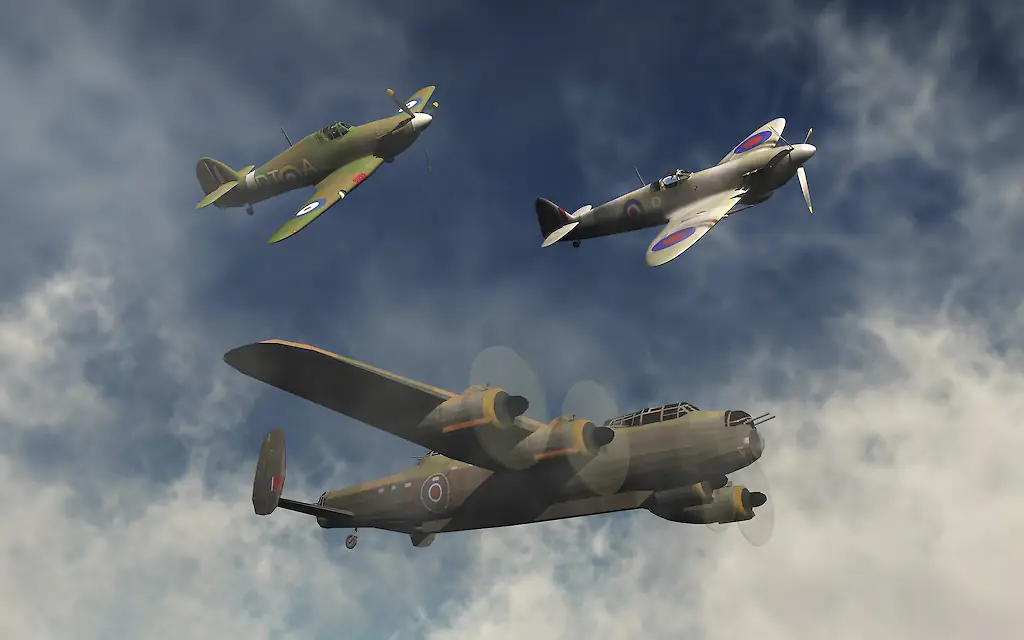
According to The Mirror, the UK introduced conscription for all men aged 18 to 41 once World War II was declared, although key industries remained protected.
Women and childless widows between 20 and 30 were also called up for service, and even those between 52 and 60 were expected to contribute in some capacity.
Politician MP Mike Martin, who is also an Afghanistan veteran, noted that there is a real possibility that conscription could return, especially if tensions with Russia escalate.
“If we get involved in a general war with Russia, we’ll be conscripting the population - there’s no question about that,” he warned. “Being prepared generates deterrence, which decreases the likelihood of war.
"The whole point about building the military up is that it decreases the likelihood of this happening. I think that's an important caveat. I've fought in wars, I'm not a warmonger. But I recognise that you've got to [pursue] peace through strength," he added.